Saint Kitts and Nevis: seasonal holiday entertainer jobs for resort hosts, tour guides and watersports leaders
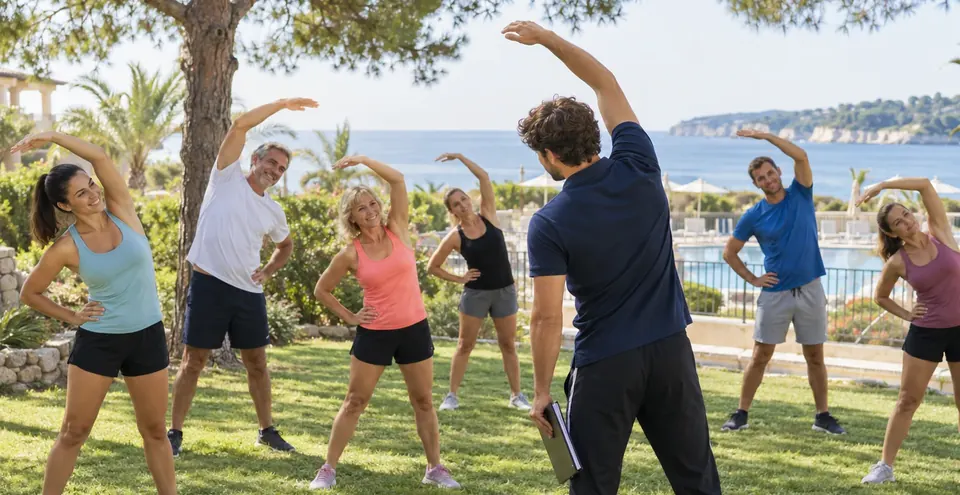
In Saint Kitts and Nevis, seasonal holiday entertainer jobs mean hosting and guiding visitors at resorts, on island tours, at watersports centres and at cultural events rather than in large holiday clubs. Entertainers lead beach games, kids' activities, snorkel and catamaran trips, hiking tours of Mount Liamuiga and Nevis Peak, and evening shows with steel pan and calypso. Work peaks from December to April and during festivals. Safety certificates and warm English are expected, and non-nationals need a work permit linked to the employer.
What entertainers and activity staff do
Resorts organise daily programmes that combine relaxation and light activity. Hosts may run beach volleyball, aqua aerobics, cooking demonstrations with local ingredients, rum tastings, quiz nights and children's games. On cruise ship days, shore excursion companies need guides, drivers and escorts who can keep groups on time while still creating a friendly atmosphere.
Watersports are a major area. Snorkelling trips, catamaran sails, paddleboarding, kayaking, jet-ski rides and fishing excursions need captains, deckhands and instructors. Operators on Frigate Bay and Nevis depend on staff who know the sea, understand weather and treat equipment carefully. Safety briefings are central to each trip, particularly when guests are inexperienced.
| Activity | Typical setting | Skills employers want |
|---|---|---|
| Hiking tours | Mount Liamuiga, Nevis Peak, rainforest trails | Fitness, plant and wildlife knowledge, first aid |
| Boat and snorkel trips | Pinney's Beach, Frigate Bay, southeast peninsula | Boat licence, swimming, safety briefing |
| Heritage tours | Brimstone Hill, Basseterre, plantation houses | History knowledge, storytelling, English |
| Kids and beach activities | Resort beaches and pools | Energy, games, child safety |
Evening entertainment is a staple of the resort experience. Hosts organise trivia nights, beach barbecues, live music and cultural shows, and they must adapt to the mood of the guests. A good host reads the crowd, includes shy guests and ends activities at a reasonable hour so neighbours and families can rest.
Cruise passengers need a different kind of host. They have only a few hours ashore, so excursions run on a tight schedule, and guides must combine storytelling with careful timekeeping. Leaders hold signs, count passengers on the bus and the boat and return everyone to the pier before the ship sails. Punctuality matters above all.
Culture, music and island experiences
Culture provides much of the entertainment. Steel pan players, calypso singers, masquerade performers and storytellers appear at hotels, beach bars and festivals, and many of them have day jobs elsewhere. Resorts engage them for weekly evenings, and agents book groups for wedding receptions and corporate events.
Heritage and nature tours
Guides explain the history of the islands, from early indigenous peoples to colonial forts and the era of sugar plantations. Brimstone Hill Fortress, the scenic railway, the plantation houses of Nevis and the birthplace of Alexander Hamilton in Charlestown are common stops. Nature guides lead hikes and point out vervet monkeys, tropical birds and flowering trees.
Honest storytelling matters. Visitors appreciate guides who speak openly about both the beauty of the islands and the difficult history of slavery. Training and local knowledge help guides present these stories with respect, and employers prefer guides who read, listen to elders and update their commentary over time.
Equipment and preparation are part of the job. Hosts and guides check life jackets, snorkel gear, paddles, sound systems and first aid kits before each activity, and they clean and store items afterwards. Employers notice who keeps equipment in good order, and this habit often decides who is rehired for the following season.
Cultural sensitivity is part of training. Guides learn which stories are proud, which are painful and how to answer visitors' questions with respect. They also learn to give clear directions, speak slowly and use plain language, because many guests are on holiday and want to relax rather than study history.
Qualifications, safety and languages
Employers ask for first aid and CPR certificates, strong swimming skills and, for boat roles, a recognised licence or experience under a captain. Tour guides may complete training with the tourism authority, and hotels often provide on-the-job instruction. Experience with children, groups and visitors from different backgrounds is valued, as is a calm response to problems.
English is the working language. A guide with a clear voice, humour and patience will do well, and a second language such as Spanish, French or German can be helpful for certain groups. Local expressions make a visit memorable, but guides should adapt their speed and vocabulary so guests understand.
Child safety is central. Leaders count children before and after each activity, keep life jackets on near water and never leave a group alone. Hotels may request a police certificate or references, and many provide a code of conduct. If there is a concern about a child, the leader should inform the manager at once.
Seasonal staff may be asked to cover several roles. A host at a small hotel might lead a morning snorkel trip, serve at the beach bar at lunch and present the evening show, and the ability to move between tasks is valued. Ask the employer for a clear list of duties so that the workload is fair and safe.
Pay, permits and housing
Pay varies with the role and the employer. Resorts may pay a monthly wage, while excursion companies pay by the day or trip, with tips from guests adding to income. Ask for written details about rates, hours and the method of payment, as well as any deductions for uniforms, equipment or accommodation.
A non-national needs a work permit connected to a named employer, and a visitor stay does not allow paid work. Local employers prefer citizens for guiding roles, since local knowledge is a selling point, but skilled instructors in diving, sailing or kitesurfing may be hired from abroad with the employer's support.
Housing is limited near resorts, and many workers live in villages and travel by minibus or shared taxi. Ask whether the employer helps with transport, especially after evening shows. Keep copies of the contract, permit and passport, and tell a trusted person where you work and how to reach you.
Rainy-day programmes are important during the summer months. Indoor activities such as craft workshops, cooking classes, rum and chocolate tastings or short history talks keep guests happy when weather prevents outdoor activities. Leaders who offer creative alternatives are valued, especially when families are travelling with children.
Wedding and honeymoon visitors form another market. Resorts in Saint Kitts and Nevis host beach ceremonies and receptions, and activity staff help with games, music and group photographs. Discretion, patience and politeness are essential, since each couple has specific wishes and sometimes changes plans at the last minute.
Finally, protect the reefs and beaches. Staff explain rules about not touching coral, not feeding fish and removing litter, and they set an example. Hotels and tour companies train staff in these habits, and leaders who explain them clearly help preserve the beauty that brings visitors to the islands each winter.
Frequently asked questions
Are there kids' clubs in Saint Kitts and Nevis?
Some resorts run children's programmes during the high season, but there is no large club-hotel system. Most entertainment is built around the beach, the sea, culture and short island tours, so staff are generalists who can host different age groups.
Do I need a licence to lead boat trips?
Yes, boat captains need the appropriate licence and the operator must follow safety regulations. Deckhands and hosts need first aid and swimming skills, and the employer should explain the safety plan before the first trip. Tour operators on both islands inspect licences before hiring crew.
When do entertainment jobs start?
Resorts and tour companies hire in the autumn for the season beginning in mid-December. Send a short application with references and certificates, and be ready to show your skills in a practical test or trial shift. Several operators also run trial days before hiring for a full season.
Where to find these jobs
- St Kitts Tourism Authority — National tourism body that promotes tours, events and cultural experiences and supports guides and operators.
- Nevis Tourism Authority — Island agency that promotes Nevis activities, heritage sites and festivals and works with tour operators.
- St Kitts and Nevis Hotel and Tourism Association — Association that represents resorts and tourism businesses and supports training and standards.
- Department of Labour, Saint Kitts and Nevis — Government office that handles work permits, employer duties and worker complaints.
Official and legal references
- St Kitts Tourism Authority — Official tourism site with attractions, tours, festivals and visitor information.
- Government of Saint Kitts and Nevis — Official government portal with ministries, labour and immigration information for workers and employers.