El Salvador: seasonal hotel and restaurant jobs in surf towns, flower route villages and San Salvador
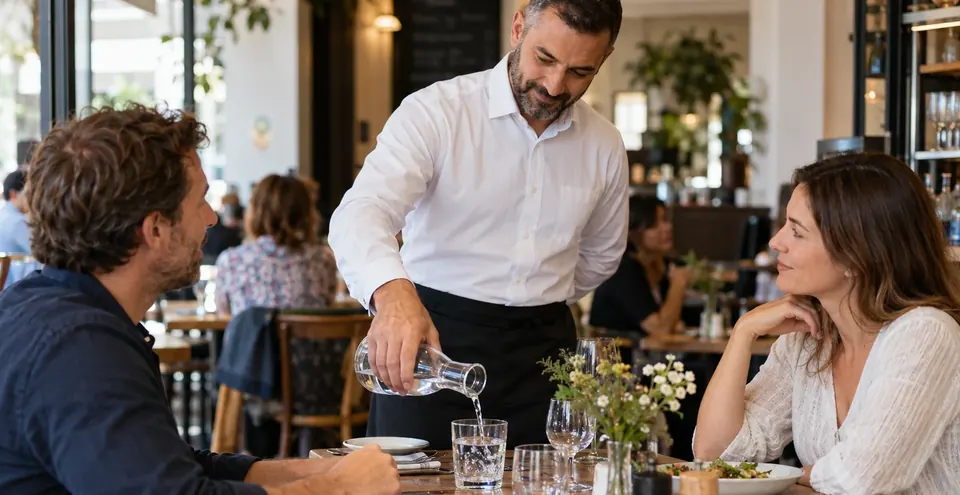
Within El Salvador, seasonal hotel and restaurant jobs appear in the surf hostels of the La Libertad coast, the beach resorts of Sonsonate and the east, the lodges around Lake Coatepeque and the restaurants of the Ruta de las Flores. Employers add cooks, waiters, bartenders, cleaners, receptionists and kitchen helpers for Holy Week, the year-end holidays and the surf months, when guests are more numerous. Spanish is essential, English is valued in tourist areas, and the dollar economy makes wages easy to compare.
This page in other languages : Español
Where the hospitality jobs are
The Pacific coast near La Libertad is the most dynamic zone for visitors. Hostels, guesthouses and small hotels in El Tunco, El Sunzal and El Zonte serve surfers, backpackers and weekend visitors from San Salvador, while restaurants along the beach offer seafood, pizza and cocktails. The surf season is best during the rainy months, when southern swells arrive, so some places stay busy while rural tourism slows.
The Ruta de las Flores follows a mountain road through Nahuizalco, Juayúa, Salcoatitán, Apaneca and Concepción de Ataco. On weekends, Juayúa's food fair fills the main square with cooks, grill masters and servers, and boutique hotels, coffee farms with restaurants and craft cafés recruit extra hands. The cooler air makes these towns popular with Salvadoran families and foreign visitors alike.
In the capital area, business hotels in Escalón and the Zona Rosa serve travellers all year, and conferences, weddings and company parties bring peaks in December. Around the country, the resorts of Costa del Sol and Sonsonate, the lakeside lodges in Coatepeque and Ilopango, the colonial town of Suchitoto and the eastern beaches near La Unión add smaller seasonal waves.
Domestic travel is the backbone of this sector: most guests in El Salvador are Salvadorans and visitors from neighbouring countries, so weekends, long holiday weeks and public holidays decide how many people a hotel hires, more than foreign arrivals alone.
Roles, skills and the table of demand
| Role | Where demand rises | Useful skills |
|---|---|---|
| Waiter or waitress | El Tunco, Juayúa, San Salvador | Spanish, English, friendly manner |
| Cook and pupusera | Ruta de las Flores, beach restaurants | Pupusa and seafood skills, speed |
| Bartender | Surf towns, Zona Rosa | Cocktails, cash handling |
| Housekeeper | Beach hotels, city hotels | Cleaning standards, stamina |
| Receptionist | Hostels, resorts | Languages, booking systems |
Salvadoran food is a strong asset for the sector. The pupusa, a thick corn or rice tortilla stuffed with cheese, beans, pork or loroco flower, is the national dish and requires hand skills that take years to master. Restaurants also serve tamales, fried yuca, grilled meats, sopa de pata and the pan con pollo sandwich, and cooks who understand these dishes can work in both local and tourist venues.
Hotels and hostels increasingly need staff who speak English, and the surf coast attracts visitors from North America, Europe and Brazil. Receptionists answer messages on booking platforms, organise tours and handle payment by card or in cash. Training from the national vocational institute and from private schools helps staff learn hygiene, service and sales techniques, and a certificate is an advantage when several applicants compete.
Self-taught skills count as well. Many bartenders in the surf towns learned on the job, and a candidate who can prepare a clean cocktail, handle a busy bar and speak two languages can ask for better shifts. A short trial day is normal in small venues, and it should be paid or at least clearly agreed in advance.
Pay is set by the legal minimum for the sector, with variations among employers. Restaurants in tourist areas often suggest a tip of about ten percent, which the staff may share, and the aguinaldo bonus in December is part of the formal package. Because rates change by decree, ask the labour ministry for the current sector rate and ask how tips are split before accepting a post.
Hours, housing and daily life
Saturdays, Sundays and public holidays bring the heaviest traffic, and many establishments close or reduce service on slower weekdays. A typical shift in a restaurant may start before the lunch rush and end after dinner, while hotel receptionists and cleaners work in rotating blocks. Written schedules prevent disputes, and the labour code limits ordinary hours and requires weekly rest.
Housing differs by place. In surf hostels, staff sometimes receive a bed in exchange for work, or a reduced rent in a staff house, while city hotels expect workers to find a room in San Salvador, Santa Tecla or Antiguo Cuscatlán and commute by bus. In the Ruta de las Flores, small rooms are cheaper than on the coast, though transport on mountain roads takes time.
Heat and humidity make kitchen work demanding on the coast, and the rainy season brings sudden storms that can cut power or close roads. Hotels in volcanic zones also follow safety plans for earthquakes and eruptions, and staff are trained to guide guests. Carry water, wear closed shoes in the kitchen and learn the location of the nearest health centre.
Food safety rules require clean hands, covered hair and separate boards for raw and cooked products, and the municipal health inspectors can visit unannounced, so supervisors insist on discipline. Staff who show care for hygiene are promoted faster in El Salvador's busy kitchens.
Getting hired and moving up
Applications are made directly to hotels and restaurants, through the labour ministry's job exchange, on social networks and at job fairs organised by municipalities. For the busy end-of-year season, recruitment begins in October and November, and for Holy Week in February and March. Walk-in requests with a short CV and a polite introduction work well in small towns.
For foreigners, a work permit is required, and employers may hire a limited number of foreign staff. Some surf hostels host international volunteers, but this is an exchange of lodging for chores and does not give a right to a wage or to residence. Make sure that the arrangement, the hours and the length of stay are agreed in writing.
Careers can progress. A kitchen helper learns to cook, a waiter becomes a supervisor, and a receptionist at a hostel can manage a small hotel after a few seasons. Some workers open their own pupusería or hostel with savings, and municipal programmes offer small training grants to encourage tourism entrepreneurs. Regular attendance and honesty are the most valued qualities. References from previous employers carry great weight in small tourist towns, where owners know each other, so leave every job on good terms and ask for a short written note stating your dates, tasks and conduct.
Frequently asked questions
Do I need English to work in a Salvadoran hotel?
Not for every job. Kitchen, cleaning and many restaurant posts are done in Spanish, but English becomes important in hostels, boutique hotels and surf lodges, where guests speak little Spanish. Candidates who can handle simple conversations, reservations and directions in English are more likely to be chosen for front desk and bar positions.
When do hotels hire the most staff?
Hiring rises before Holy Week, before the August holidays and before the long end-of-year season, with the surf months from April to October adding demand on the coast. Workers who apply a month earlier than these dates, with references and a flexible schedule, have a better chance than those who arrive when the rooms are already full.
Are tips common in restaurants?
Yes, especially in tourist areas, where a suggestion of around ten percent is often added or expected. How tips are split depends on the policy of each house, so ask the manager how they are distributed and when they are paid. In small pupuserías, tips may be minimal, and the wage matters more.
Where to find these jobs
- Ministry of Tourism — Government body that promotes destinations and sets standards for hotels, restaurants and tour services nationwide.
- INSAFORP — National vocational training institute that offers courses in cooking, service, housekeeping and tourism skills.
- Ministry of Labour and Social Welfare — Government ministry that supervises wages, contracts and runs a public job exchange.
- Chamber of Commerce and Industry of El Salvador — Business association that represents companies, including hotels and restaurants, and organises training and events.
Official and legal references
- El Salvador Tourism — Official tourism portal with information on beaches, towns and festivals in English.
- International Labour Organization — UN agency that describes working conditions, hours and rights in hotels, restaurants and tourism.