Fiji: seasonal fruit and vegetable picking jobs on farms, markets and cane land
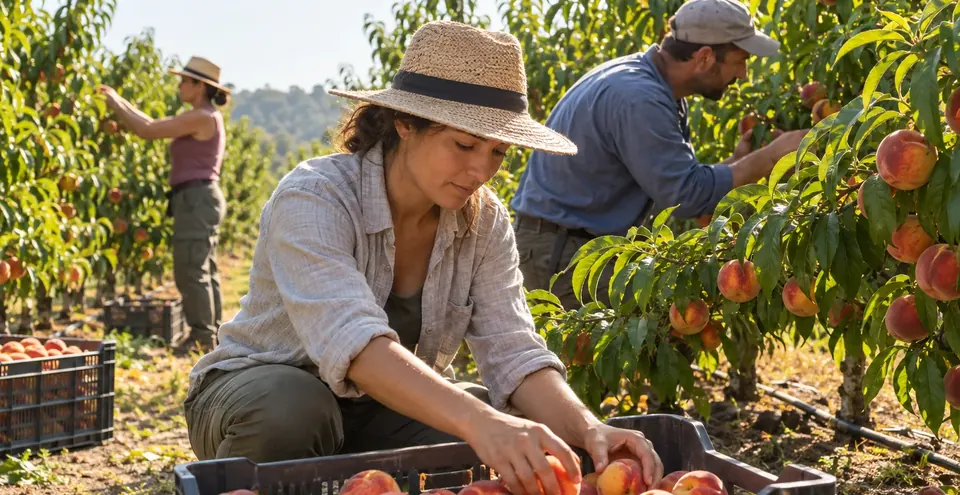
Fiji is a Pacific island country where fertile river flats and cane land support a steady need for seasonal fruit and vegetable picking. Workers harvest tomatoes, cabbages, eggplant, okra, beans, chillies and cucumbers, and they also help at markets and with produce transport. Tasks are manual and physical, with early starts and hot, humid conditions. Pay, housing and the identity of the employer vary from farm to farm, and the legal framework matters for foreigners. Knowing which crops grow where, what the work involves and how to stay safe and legal is the starting point.
Fiji seasonal fruit and vegetable picking: what is grown and where
Taveuni and Vanua Levu lean toward tree and root crops. Taveuni grows ginger, coconut, kava and taro, while Savusavu and Labasa supply copra, cocoa and some pineapples. Around Navua and the Rewa delta, growers sell dalo, which is taro, cassava, breadfruit, bananas and papaya, and seasonal fruit such as mango and guava ripens in the warmer months.
Kava, known locally as yaqona, is a major cash crop whose roots take years to mature, so its harvest is a household decision rather than a regular seasonal job. Pineapples are grown on the Kadavu and Vanua Levu areas, and small orchards supply markets in Suva, Lautoka and Labasa.
Rice used to be farmed on a larger scale near Labasa and in the Dreketi area, and some rice paddies remain, though most rice eaten in Fiji is now imported. Tropical fruit such as pawpaw, guava, mango, soursop and passion fruit grows in village gardens and is sold at roadside stands. Seasonal supply swings sharply, which can make short-term picking work appear and vanish within a few weeks.
Coconut and copra deserve a mention. On Taveuni, Vanua Levu and the Lau and Lomaiviti islands, families collect fallen nuts, dry the flesh and sell copra to buyers, a task that follows no strict calendar but increases after storms. The work is manual and poorly paid compared with other options, yet it remains an income source for many island households.
Tasks, pace and physical demands for seasonal harvest work in Fiji
Picking in Fiji is hand work. Pickers cut tomatoes, beans and eggplant into baskets or crates, pull cassava and taro from the ground, cut bananas and papaya with a knife, and carry loads to the roadside for collection. Early starts are normal because the midday heat is intense, and many farmers finish picking by early afternoon.
The work is heavy in wet weather. Paths turn muddy, fields flood after heavy rain, and snakes are rare but biting insects, sun and sharp leaves are constant. Pickers need long sleeves, a hat, sturdy boots, water and sunscreen, and they should wash produce handling tools to avoid cuts becoming infected.
After picking, workers often sort, wash and pack produce for sale. Some farms sell directly at roadside stalls or municipal markets in Nausori, Sigatoka and Labasa, so extra hands may be needed on market days. Tasks vary by crop, and flexibility counts for more than speed.
Care in handling matters because buyers inspect produce closely. Tomatoes picked too early or bananas bruised in transport lose value, and hotel kitchens that buy directly from growers expect clean, uniform lots. Pickers who learn grades, sizes and the right moment to cut are valued, and some become supervisors who manage a team of cutters and arrange pick-ups with the market truck drivers.
| Crop | Main area | Usual picking pattern |
|---|---|---|
| Tomatoes, eggplant, okra | Sigatoka Valley | Repeated pickings through the drier months |
| Ginger, taro, coconut | Taveuni | Dry months for roots, steady for coconut |
| Bananas, papaya | Rewa, Navua | Near year-round, quieter in cyclone season |
| Pineapple | Vanua Levu, Kadavu | Warmer months, harvested by hand |
Pay, housing and who hires
Arrangements are informal in many places. Some farmers pay a daily rate, others pay per crate, bag or bundle, and family labour is common. Minimum wage rules apply to employees, so a worker should ask what the rate is and when payment will be made, and keep a note of days worked.
Housing is rarely provided on small farms because most workers live in nearby villages. Where accommodation is offered, it is usually a simple room or a shared house. On Taveuni and Vanua Levu, hosts may share meals. Arrangements in writing prevent misunderstandings, especially for visitors who do not know local customs.
Hiring happens by word of mouth. Ask at municipal markets, cooperatives, village chiefs and farmers' associations. Respect for village protocol is essential: visitors usually present a gift of kava root, called sevusevu, when entering a village, and permission from the head of the community can matter for access to land.
Cane growing is distinct but connected. Many farm families combine sugar cane with vegetables, and workers move between the two as the mill calendar permits. Cane cutting is paid by the tonne delivered, and it is among the hardest manual jobs in the country. A newcomer should expect a learning period before speed and quality reach a level that earns a fair daily income.
Legal framework and safety for seasonal picking jobs in Fiji
Farm workers are covered by the Employment Relations Act when they are employees, and the Ministry of Employment, Productivity and Industrial Relations deals with disputes. A foreign worker needs a permit; a visitor who picks fruit for pay without one risks removal. Farm volunteering schemes should still be checked with the immigration authorities.
Pesticide use is common on commercial vegetable plots. Workers should ask what has been sprayed, avoid entering fields right after spraying, and wash hands before eating. Protective equipment should be provided by the employer. The Ministry of Agriculture offers extension advice for growers and may be a source on safe practice.
Weather brings risks. Cyclone warnings can destroy crops and halt work for weeks, and flooded rivers cut off roads in the Rewa delta. Keep contact with local radio announcements and plan a financial buffer, because income from farm work is irregular and cannot be assumed.
Wildlife and climate shape safety. Farm paths in the wetter south-east can be slippery, and standing water is a breeding ground for mosquitoes that carry dengue, so repellent and long clothing are useful. Pickers should carry drinking water, rest during the hottest hours and report heat illness symptoms early, because remote farms may be a long way from a clinic.
Frequently asked questions
Is there organised fruit picking for foreigners in Fiji?
There is no large visitor harvest programme. Most picking is done by farm families and local workers. Foreigners who wish to work must have a permit linked to an employer. Voluntary stays on farms should be confirmed with the immigration authorities so they do not breach visa conditions.
What is the best season for picking?
The cooler dry months from May to October suit vegetables and many fruits, while the wet season is lighter and riskier because of cyclones and floods. Bananas, papaya and root crops give some work all year, so the answer depends on the crop and the region.
How much can a picker earn?
Earnings depend on whether payment is by the day, by the crate or by the task, and on the farm. Rates are not fixed nationally for casual arrangements, so ask the grower first, agree in advance, and compare with the wage orders published by the ministry of employment.
Where to find these jobs
- Fiji Ministry of Agriculture — Provides extension advice, crop support and farmer services across Viti Levu, Vanua Levu and Taveuni.
- Fiji National University — Runs agriculture and technical courses for farm managers and offers links with growers in the Sigatoka and Rewa areas.
Official and legal references
- Government of Fiji — Official portal listing ministries, agricultural policy, public notices and farmer services across the islands.
- Fiji Department of Immigration — Explains the permits that foreign workers need before accepting paid farm work or any other employment in Fiji.