Zambia: seasonal holiday resort activity leader jobs, guiding and entertainment
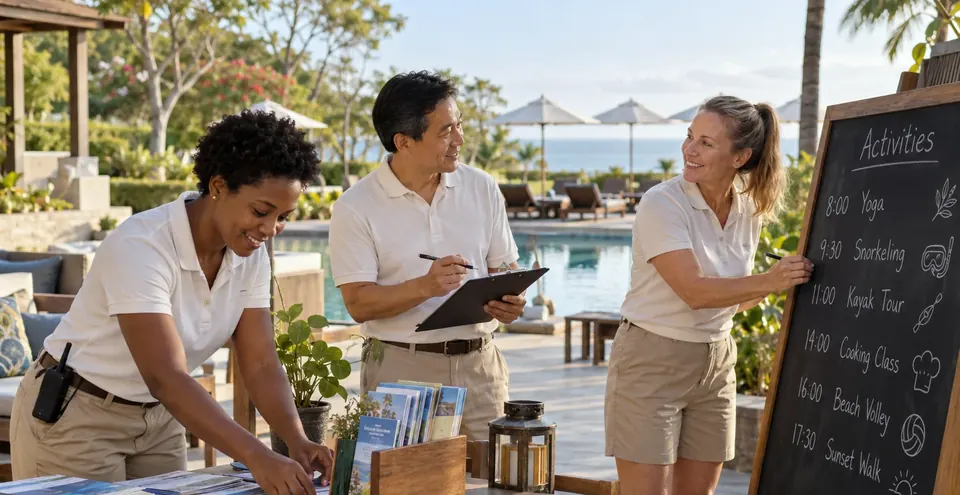
In Zambia, seasonal holiday resort activity leader jobs involve organising guest activities at lodges, riverside camps, hotels and lakeside resorts, from guided walks and boat trips to children's clubs and evening entertainment. Posts cluster around Livingstone, Lake Kariba, South Luangwa and the Lower Zambezi between June and October. Employers look for communication skills, safety awareness, first-aid knowledge and good English, and they expect leaders to protect guests and wildlife alike. Most posts go to Zambians, and foreigners need a work permit from the Department of Immigration before they may start.
Where activity leaders work
Livingstone is the centre of adventure tourism. Operators near Victoria Falls run white-water rafting, bungee jumping, the gorge swing, helicopter flights, horse rides, elephant encounters and sunset cruises, and each activity requires trained staff to brief and supervise guests. Hotels on Mosi-oa-Tunya Road and riverside lodges also employ people to guide walks to the falls and to run evening programmes.
Lake and river work has its own rhythm. At Siavonga and Sinazongwe, fishing guides and boat crews work from before dawn to catch the cooler hours, while houseboat staff live aboard for days at a time. Leaders there combine hospitality, fishing knowledge and safety duties, and they must know how to react to sudden storms, which can turn the lake rough within minutes during the rainy months.
On Lake Kariba, resorts around Siavonga and houseboats cruising the lake offer fishing, bird watching and sunset trips, while the Lower Zambezi National Park provides canoe safaris and fishing for tiger fish. In South Luangwa, walking safaris and night drives are led by licensed guides who also entertain guests around the campfire with stories of animals and local life.
Urban hotels and resorts near Lusaka, Chisamba and Kafue employ leaders for kids' clubs, corporate team building, swimming pool activities and weekend programmes. These posts are less seasonal than lodge work, although the school holidays in April, August and December create peaks when parents want supervised activities.
Qualifications and safety
Qualifications depend on the activity. Safari guides need a licence from the Zambia Tourism Agency and the Department of National Parks and Wildlife, with progression from walking guide to professional guide as experience grows. Rafting and canoe leaders need river safety and rescue training, and the operator will give a supervised period before they take clients alone.
Community engagement is a growing part of the activity leader role. Lodges often arrange village visits, school visits and craft markets so that guests meet local people, and leaders prepare these encounters carefully so that visitors behave respectfully and communities benefit. Staff who can explain customs, such as greeting, dress and photography etiquette, help guests avoid mistakes and make the experience richer for everybody involved.
Anyone supervising children must understand child protection. Employers expect police clearance, references, a clear code of conduct and training in first aid, water safety and emergency procedures. Leaders should never be alone with a child in private, and they should report any concern to a manager immediately. Parents expect clear communication about plans, meeting points and medical needs.
| Activity | Skills required | Main season |
|---|---|---|
| Walking safari guide | Licence, wildlife knowledge, first aid | June to October |
| River rafting leader | Rescue training, strong swimming | August to December |
| Kids' club leader | Child protection, games, patience | School holidays |
| Boat and fishing host | Boat licence, local knowledge | All year at Kariba |
| Evening entertainer | Music, storytelling, English | Peak tourist months |
Languages, character and pay
English is essential, because it is the language of safety briefings and conversation with international guests. Knowledge of local languages such as Tonga in the south, Bemba in the north and Nyanja in Lusaka helps with community visits and villagers who work with the lodge. German, French or Afrikaans is an advantage, because many visitors arrive from those countries.
Rotations and breaks should be written in the contract. Some camps expect a leader to work six weeks followed by two weeks off, while resorts in towns follow weekly schedules. Ask how bad weather, closure of the park and illness are handled, and who pays for transport home. A fair employer offers medical cover or at least a clinic arrangement, because remote work always carries a risk of injury.
Good leaders are energetic, calm in a crisis, and able to explain risks clearly without frightening guests. They must stay sober on duty, respect wildlife and follow park rules strictly. Employers want people who can improvise when rain cancels a trip and who treat staff and guests with equal courtesy, which is why interviews often include role-play or trial sessions.
Pay depends on the employer and the licence held, and it is set in a written contract in line with the Employment Code Act. Experienced licensed guides earn more and receive tips, but no figure can be promised here, and applicants should ask for the full package, including accommodation, meals, leave and insurance, before agreeing.
How to start
Many guides start as camp assistants, boat crew or kitchen staff and move up as their knowledge improves. Training courses are offered by guiding associations and private schools in Livingstone and Lusaka, and volunteering at community conservation projects can build experience. Applying in March or April, before camps reopen, gives the best chance of an interview.
Seasonal contracts for leaders usually include a probation period of a few weeks. During this time the manager observes how you handle groups, deal with complaints and react to small emergencies, and decides whether to confirm the contract. Treat the probation as a serious interview: arrive early, keep equipment tidy, ask questions about procedures and accept feedback calmly, since reliability counts more than a polished manner.
Evening programmes need creativity. Leaders prepare storytelling around the fire, music nights with local drumming and singing, quizzes about wildlife and star-gazing sessions that take advantage of the clear dry-season skies. These add little cost but make a lodge memorable, so employers appreciate staff who can sing, play an instrument or tell a story in good English, and they often assign extra duties to those who show such talent.
- Gain a first-aid certificate and, where possible, a water safety qualification.
- Learn the main birds, animals and trees of the area where you want to work.
- Prepare references from teachers, employers or community leaders.
- Verify any foreign recruiter with the Department of Immigration before paying anything.
Foreigners need a permit, usually tied to a specific employer and role. Unpaid volunteering at lodges can also breach labour rules, so written confirmation of status is wise. Unpaid volunteering at lodges can also breach labour rules, so ask the employer to confirm your status in writing, and keep a copy of the permit approval with your passport at all times.
Questions from applicants
Do activity leaders need a guiding licence?
Wildlife guiding on safari requires a licence recognised by the Zambia Tourism Agency and the Department of National Parks and Wildlife. Other roles, such as children's clubs or evening entertainment, do not need a guiding licence but require first aid, safety training and often police clearance. Employers should state in writing which qualifications they require and who will pay for training.
What is the busiest season for activity leaders?
Lodges are busiest from June to October, rafting peaks when the river is low from about August to December, and children's programmes are in demand in the April, August and December school holidays. Livingstone has a longer season than remote bush camps, so it offers the most stable work, and Lake Kariba works through most of the year.
Can foreigners work as holiday entertainers in Zambia?
Only with a work permit from the Department of Immigration, normally requested by the employer. Tourists may not work, and informal arrangements can lead to fines or removal. Foreigners are most likely to be accepted for skilled roles, such as senior guides or activity managers, where local training is not yet available.
Where to find these jobs
- Zambia Tourism Agency — National tourism authority that licenses guides and tourism enterprises and publishes standards for safe, professional visitor services.
- Department of National Parks and Wildlife — Government department managing national parks and licensing guides who lead walking and driving safaris in protected areas.
- Tourism Council of Zambia — Industry body of lodges, hotels and operators in Livingstone and the parks that supports training and staff recruitment.
- Zambia Red Cross Society — National humanitarian organisation offering first-aid and water safety training that activity leaders and child supervisors can use.
Official and legal references
- Zambia Tourism Agency — Official English-language tourism body describing destinations, licensed operators and activities such as rafting, safaris and cruises.
- Zambia Development Agency — Official agency providing English information on the tourism sector, business registration and rules that apply to resort employers.