Lesotho: seasonal hotel and restaurant employment opportunities in Maseru and mountain lodges
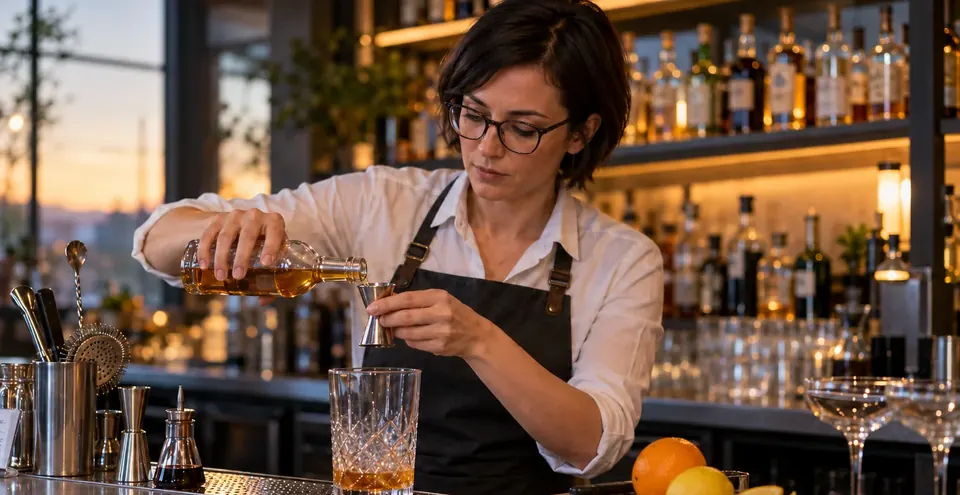
Lesotho has hospitality concentrated in Maseru and in mountain lodges, which makes seasonal hotel and restaurant employment a small but real source of work. The capital offers hotels such as the Avani Lesotho Hotel and Casino, mid-range guesthouses and restaurants serving officials, business visitors and weekend guests from South Africa, while lodges in the highlands host trekkers and skiers. Roles, skills, seasons, hours, pay, housing and permits differ, and applicants usually have practical questions on each. Winter snow and summer holidays change the number of guests, and staff may be asked to work flexible shifts in remote places.
Lesotho seasonal hotel and restaurant jobs: where hospitality is concentrated
Outside the capital, the tourism map follows scenery. Semonkong Lodge, near the Maletsunyane Falls, offers abseiling, pony trekking and village visits. Malealea in the Mafeteng district is known for pony treks and a community-owned lodge. Katse and Mohale dams attract day visitors, and Afriski at Mokhotlong receives skiers and snowboarders in winter, with a few cabins and a restaurant.
Lodges and the community
Many lodges work with nearby villages, buying vegetables and employing local people as guides, cooks, grooms and cleaners. Money from visitors stays in the area, and staff often live in neighbouring villages and walk or ride to work. Because roads are steep and sometimes blocked by snow or storms, lodges take care to arrange shuttles and emergency plans for guests and staff.
Casinos and conference venues add jobs in the capital. The Avani Lesotho Hotel and Casino hosts weddings, meetings and gaming guests, and its restaurants and bars need staff late into the evening. Government workshops, funerals and national celebrations produce short orders for banquets, and caterers employ servers, cooks and cleaners by the day.
Small restaurants serve a mix of Sesotho and international dishes. A lunchtime meal might be papa with chakalaka or beef stew, and in the evening guests order grilled meat, chicken and fish. Street food, such as fat cakes, called vetkoek, and grilled corn, is sold near bus stops and offices, and many food vendors begin as seasonal helpers.
Jobs, skills and training
Kitchen jobs include cook, baker, kitchen assistant and dishwasher, and menus mix Sesotho dishes such as papa, the maize porridge, and moroho, the cooked greens, with grilled meat, soups and western food. Front of house includes servers, bartenders, receptionists and concierge staff. Housekeeping, laundry, gardening and maintenance complete the team, and in cold months fire lighting and heating are daily tasks.
Mountain lodges add roles such as horse grooms, trekking guides, ski instructors and rental assistants. Guides need first aid and knowledge of trails, weather and Sesotho culture, while ski staff learn safety on the slopes. Training is provided by the Lesotho Tourism Development Corporation, technical institutes and employers, and certificates in food safety, first aid and customer service improve prospects.
| Role | Setting | What helps |
|---|---|---|
| Cook or baker | Hotels, lodges, canteens | Hygiene, plain cooking, speed |
| Waiter or bartender | Restaurants, bars, casino | English, Sesotho, courtesy |
| Pony guide or groom | Malealea, Semonkong | Riding skill, first aid, patience |
| Ski helper | Afriski, Mokhotlong | Fitness, safety, languages |
Customer expectations differ between city and lodge. In Maseru, guests are mostly business visitors who value punctual service and clean rooms, while at Semonkong or Malealea guests come for adventure and want warm, informal hospitality. Staff who adapt their manner, and who can explain local food, weather and customs, add value to the stay and often receive generous tips.
Training pathways exist. Technical institutions, the Lesotho College of Education for some skills, and employer programmes offer certificates in catering, housekeeping and front office. Short courses by the tourism corporation focus on guiding, first aid and customer service, and graduates often find placements in lodges. Applicants should carry certificates and references when approaching an employer.
Safety and hygiene in mountain kitchens receive particular attention. Fresh meat and milk must be kept cool, water must be boiled or filtered when supply is uncertain, and waste has to be handled with care in places without sewers. Staff who understand these basics prevent illness among guests, and lodges that earn a reputation for clean kitchens receive repeat visitors to Lesotho year after year.
Seasons, hours and everyday conditions for hospitality work in Lesotho
Business varies through the year. Weekends and public holidays fill Maseru restaurants, while long school holidays in December and January bring families and trekking groups to the lodges. Winter attracts skiers when snow lies on the slopes, normally in the colder months, though the snow is not guaranteed. Spring brings Morija Arts and Cultural Festival and events for cultural tourists.
Winter work is cold. Mountain lodges are at high altitude, nights can be below freezing, and heating relies on wood, coal or gas. Staff need warm clothing and blankets, and the traditional Basotho blanket is the usual protection. Summer storms bring lightning and floods, and rivers can be impassable. Employers adjust shifts and provide staff transport when possible.
Water and power can be unreliable at remote lodges. Many use solar panels, wood stoves and rainwater tanks, and staff must manage resources carefully. Cooks plan menus around supply days, because deliveries come from Maseru or from South African towns such as Ficksburg and Bloemfontein. Flexibility is valued by every manager.
Staff meals are a small but valued benefit in Lesotho, where food costs weigh on household budgets.
Pay, housing and permits
Wages follow national minimum rules for the sector and the employer's scale, and tips are welcomed but small. Many lodges give meals and sometimes a bed to staff who live too far from home. Always ask for the terms in writing, including working hours, rest days, accommodation and health care, and check that the employer registers workers for social protection.
Foreign nationals require a work permit applied for by the employer. It is mostly given for managers, chefs and specialist guides, as unskilled work is reserved for local workers. English is the working language, Sesotho is the local language, and Afrikaans or Zulu help with South African guests. Respect local custom, dress modestly in villages and ask before taking pictures of people.
Social and family obligations also affect hospitality work. Many employees travel to their home villages on weekends and public holidays, and for funerals, which are major events lasting several days. Employers who are understanding about such obligations, and who plan rosters in advance, keep reliable staff from season to season.
Applicants for lodge jobs in Lesotho should also ask about transport to the workplace and about the days off, since remote locations can leave staff isolated. A fair employer states when the shuttle runs, how much leave is given and whether emergency transport exists. Clear answers are a good sign that the lodge is well managed and respects its staff.
Applicant questions
Do lodges hire foreigners for the season?
Rarely, and only for skilled roles. Most staff are from nearby villages, so contact the manager early and be ready to show certificates and references.
Is Afriski open every winter?
It depends on snowfall and snowmaking. The season is short and varies, so staff contracts are short and are announced shortly before opening.
What should I pack for lodge work in winter?
Warm layers, a hat, gloves, sturdy boots and a waterproof jacket, as well as sun protection, because the highland sun is strong even in cold weather.
Where to find these jobs
- Lesotho Tourism Development Corporation — National body promoting tourism and supporting lodges, guides and operators across the lowlands and mountains.
- Semonkong Lodge — Mountain lodge near Maletsunyane Falls offering abseiling, pony trekking and village visits, and employing local guides and staff.
- Malealea Lodge and Pony Trekking Centre — Community-linked lodge in Mafeteng district offering pony treks and village tours with local guides and cooks.
- Lesotho Chamber of Commerce and Industry — Business association representing employers in trade, tourism and services in Maseru and the districts.
Official and legal references
- Government of Lesotho — Official government portal with access to ministries, public notices and information on tourism, employment and immigration.
- International Labour Organization — United Nations agency setting international labour standards and offering guidance on contracts, wages and workers rights.