Tuvalu: seasonal holiday resort activity leader jobs are very rare in a small island setting
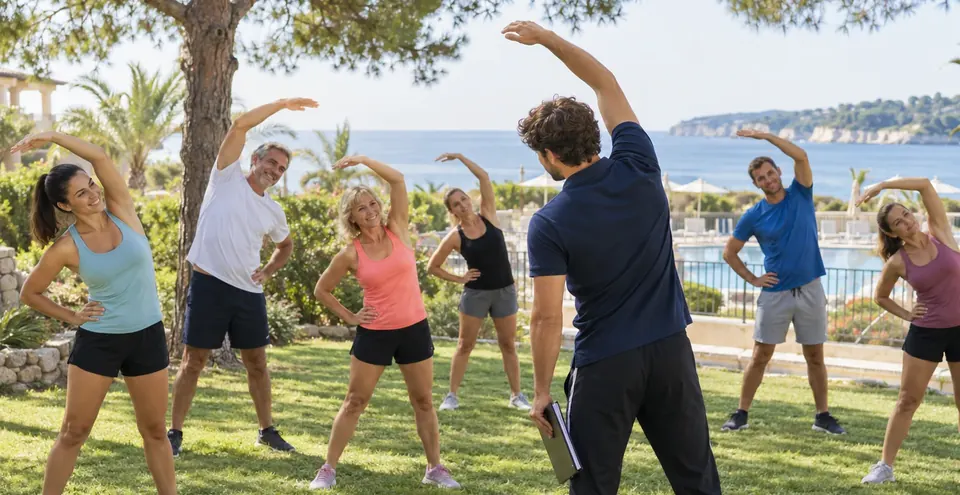
In Tuvalu, seasonal holiday resort activity leader jobs are very rare, because the country has no resorts or holiday clubs and receives only a small number of visitors. Activity work means guiding guests on lagoon trips, snorkelling, fishing, birdwatching and cultural visits, usually informally and through a hotel or family. Dance, kilikiti cricket and church singing are central to community life and are shared with guests on request. Most guiding is done by local people. Foreigners cannot take such work without a permit, and anyone dealing with children must follow strict safeguarding rules.
What activity work means in Tuvalu
Visitors to Tuvalu do not find holiday clubs, children's programmes or evening animation teams. The country is quiet, remote and difficult to reach, with a small number of flights from Fiji. Guests are usually officials, researchers, volunteers, divers or curious travellers, and they stay in simple lodgings on Funafuti. Activities are informal: a guide may take them to the lagoon, to the Funafuti Conservation Area, to a village feast or to a local sports match, and families may invite guests to join songs and dances.
Because of this, activity leaders are better described as hosts, boat operators and cultural guides. They may be employed by a hotel, hired by a visiting group for a few days, or simply help as part of family hospitality. The role is closer to a community ambassador than to a holiday entertainer. A good guide explains customs, ensures safety on the water and protects the fragile environment, and does so with humility, patience and a sense of humour.
The environment is a central attraction. Funafuti Lagoon is shallow and calm, and the outer reef drops sharply into deep water. Birds such as terns and noddies nest on small islets, and green turtles are sometimes seen. A guide who knows how to move quietly, avoid disturbing wildlife and explain the ecology offers a valuable experience. Visitors are asked not to remove shells or coral, and to respect areas set aside for conservation, which communities protect carefully.
Typical activities and skills
The lagoon offers snorkelling, swimming, boat trips and fishing, and the Funafuti Conservation Area protects reef, birds and marine life on part of the lagoon. Walks along the narrow islets reveal seabirds, pandanus and coconut groves, and sunset views are famous. Cultural activities include fatele singing and dancing, weaving workshops, the traditional game of te ano, kilikiti matches and visits to the meeting house. Diving is limited and requires a licensed operator with equipment, which is not always available.
The skills needed are practical. Boat handling, swimming, first aid and knowledge of tides and weather are essential, as currents and sudden squalls can be dangerous. Guides must carry water, a phone or radio and a first aid kit, and they need to know where the nearest clinic is. English is helpful with visitors, but Tuvaluan is the language of life. Respect for the church and customs, including modest dress, is part of the guide's role. Nothing should be photographed or touched without permission.
Music and dance are the heart of Tuvaluan entertainment. Fatele nights involve groups of singers and dancers, with rhythmic beating on mats or wooden boxes, and the audience may be invited to join in. Songs tell of the sea, the church and the history of the islands. Visitors who attend should dress modestly, follow the host's directions and accept that performances may last for hours. Giving a small contribution to the community, through the host, is a respectful gesture.
Conditions, pay and the market
There are almost no formal jobs in this field. Income comes from occasional payments by visitors, hotels or organisations, and from family support. Fees are modest, agreed in advance, and sometimes paid in kind with food or gifts. There is no regular season, since arrivals are few and unpredictable, though the drier months from May to October see calmer seas and easier travel. The table summarises possible roles. It reflects informal practice, not a structured job market, and a person hoping to earn a living from guiding would need other work too.
| Role | Setting | What is expected |
|---|---|---|
| Lagoon boat host | Funafuti Lagoon, conservation area | Boat skills, safety, knowledge of tides |
| Cultural guide | Villages, meeting house, feasts | Customs, language, storytelling |
| Snorkel and fishing guide | Reef and lagoon edges | Swimming, first aid, respect for the reef |
| Event helper | Independence Day and church events | Organisation, hospitality, cooking support |
Anyone interested in building a small business should speak with the authorities and community leaders first. Land and sea are managed under customary rules, and activities on a village area need the permission of the elders. Businesses must follow national requirements for safety and registration. The government and regional organisations sometimes run training in tourism and small enterprise, and local women's groups and non-governmental organisations can offer practical help with skills and funding.
Sport also connects people. Kilikiti, a local form of cricket played with a curved bat, is lively, loud and joyful, with teams of many players and loud singing between overs. Volleyball, football and te ano, played with two balls and teams of tens of players, are widespread. Visitors may be invited to take part, which is often the best way to meet people. Referees and organisers are usually volunteers, and they welcome guests who learn the rules and play in good spirit.
Safety, children and permits
Child protection is a firm rule wherever minors take part in activities. Adults should avoid being alone with children, ensure that an elder or parent is present, and never take photographs without consent. Water safety is critical, since many children swim in the lagoon, and life jackets and supervision are essential on boats. In case of an emergency, help can be slow, because medical facilities are limited and evacuation requires aircraft. A clear plan, good communication and calm leadership are the best protection.
Immigration rules apply. Visitors cannot work for pay without a permit, and posts that can be filled locally are generally reserved for Tuvaluans. Volunteers, researchers and trainers should obtain approval before arrival and agree their tasks with the host. Offers from third parties to arrange jobs for a fee should be refused.
Looking ahead, people who want to work in activity leadership could develop skills elsewhere. Courses in outdoor education, first aid, life saving, languages and tourism management are offered in Fiji, New Zealand and Australia, and some scholarships support Pacific students. Experience in a summer camp, a dive centre or a cultural centre gives practical foundations. Tuvaluans who return with such training can contribute to small, community-owned tourism that respects the environment and brings modest income to local families.
Common questions about activity work
Are there holiday resorts in Tuvalu?
No large resorts exist. Accommodation is limited to a few small hotels and guest lodges, mainly in Funafuti, and activities are arranged informally by hosts and families.
Can a visitor work as a guide or entertainer?
Not without a work permit. Informal help given to a host family is different from paid work, but it is wise to check with the authorities before agreeing to any role.
What can guests do during a stay?
They can swim, snorkel, join boat trips and cultural events, watch birds, attend a fatele or a kilikiti match and share meals, always with respect for local rules and the church.
Where to find these jobs
- Tuvalu Tourism Office — Government tourism office that provides visitor information and supports guides, accommodation providers and cultural events.
- Funafuti Conservation Area — Protected marine area in Funafuti Lagoon, managed with the local community, that safeguards reef life and birds.
- Tuvalu National Council of Women — Women's organisation that supports handicrafts, cultural events, training and small enterprises in island communities.
- Government of Tuvalu — National government that handles immigration approvals, business registration and policy on tourism and culture.
Official and legal references
- Tuvalu Tourism Office — Official tourism website with English-language information on travel, culture and activities in Tuvalu.
- Government of Tuvalu — Official government website with ministry information, public notices and contacts for immigration in English.