Malawi: seasonal fruit and vegetable picking jobs by region and month
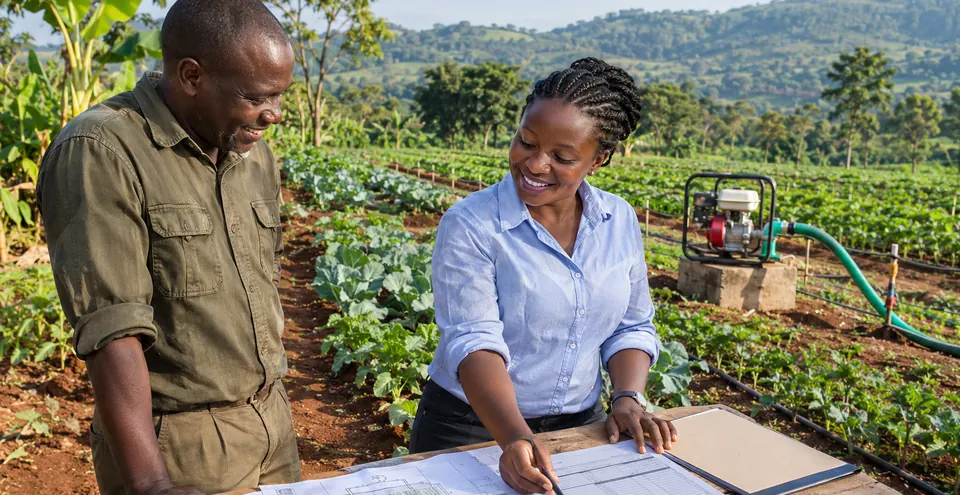
In Malawi, seasonal fruit and vegetable picking jobs are found mainly on smallholder plots and on a handful of commercial estates producing tomatoes, potatoes, bananas, citrus, macadamia, mangoes and leafy greens. The work follows the rains: gathering is busiest after the wet season and in irrigated gardens along rivers and the lake. Most openings are casual, paid by the day or by the basket, and offered through relatives and neighbours. Foreign workers need permits, and conditions depend heavily on the grower, so questions about pay and shelter should come first.
Crops and farming regions
Malawi's agriculture is dominated by maize, tobacco and groundnuts, but horticulture is a growing source of income. The cool highlands around Dedza and Ntcheu are known for potatoes, tomatoes, cabbages and other vegetables sold in Lilongwe and Blantyre. Thyolo and Mulanje combine tea with bananas, avocados, macadamia nuts and citrus. Irrigated plots along the Shire River and the lake produce tomatoes, onions and sugar cane.
Mangoes are among the most visible fruits. Trees growing in villages, on school grounds and along roads bear heavily from October to January, and children and traders collect baskets to sell by the roadside. Bananas, papaya, guava, pineapple and oranges also appear in different months, depending on altitude. Banana groves near Karonga, Nkhata Bay and Thyolo supply local markets and traders from neighbouring countries.
Rice grows in the lakeshore plains at Karonga and Nkhotakota and is harvested around April and May, creating a short burst of paid labour. Cotton picking in the Salima and Chikwawa areas follows a similar period. Although these are not fruit or vegetables, many workers combine such tasks with vegetable picking, moving between plots as each crop ripens and keeping their weekly income steady.
Marketing is the final link. Growers sell at roadside stalls, in district markets such as Mzuzu, Lilongwe's Area 25 and Blantyre's Limbe, or to vendors who buy by the basket and travel with minibuses. Prices swing sharply when many farmers harvest at once, and pickers who are paid by share of sales feel those swings directly. Those who negotiate a fixed daily rate carry less risk but may earn less in a good season.
Harvest calendar and daily tasks
A picker starts early, often at first light, to avoid the midday sun. Tomatoes must be picked at the right colour stage and placed carefully in crates so that they do not bruise. Potatoes are lifted with hoes, shaken free of soil, sorted by size and bagged. Leafy greens such as rape and pumpkin leaves are cut in bundles and delivered fresh to market sellers within hours.
Fruit picking calls for care and sometimes climbing. Mango pickers use long poles with a basket to reach branches, while macadamia nuts are collected from the ground after they fall and then dried and cracked. Banana harvesters cut heavy bunches with machetes and carry them to collection points. Estate workers wear gloves and boots, but smallholders often work with simple tools and little protective clothing.
| Period | Typical crops or task | Main areas |
|---|---|---|
| November to January | Mango gathering, early tomatoes, maize and vegetable planting | Mangochi, Salima, Dedza |
| February to April | Bananas, green maize, pumpkin leaves, early rice | Thyolo, Nkhata Bay, Karonga |
| May to August | Potatoes, cool-season cabbages, irrigated tomatoes, macadamia | Dedza, Ntcheu, Mulanje |
| September to October | Irrigated vegetables, citrus, preparation for planting | Shire Valley, Lilongwe belt |
Because rainfall limits some fields, irrigation matters. Dry-season gardens, called dimba, use water from streams, boreholes and treadle pumps to grow vegetables when rain-fed fields are empty. Dimba farming creates labour demand in months when other farm work slows, and it supplies urban markets at higher prices. Workers who understand watering, spacing and pest control are especially welcome on these plots.
Rural water and electricity are often limited, so washing and cooling produce is simple. Many growers use shade nets, wet sacks or nearby streams to keep tomatoes and greens fresh until transport arrives. Pickers who learn these small techniques increase the value of the harvest and reduce losses. Some farms supported by development projects now offer basic training in grading, packing and handling, which can lead to steadier roles as supervisors.
Pay, shelter and working conditions
Wages for picking are negotiated locally. Some growers pay a daily wage, some a rate per crate, bag or basket, and others share the harvest with the picker. Piece rates can favour fast, experienced workers, but they can also push people to work too long in the heat. Ask about the number of baskets expected, how the count is checked and when money will be handed over, in kwacha.
Accommodation is rarely guaranteed for casual pickers. Those hired from nearby villages return home each evening, while workers from afar may sleep in rooms offered by farmers or in rented space in trading centres. Large estates sometimes house permanent employees, but seasonal staff may receive only basic shelter. Clarify access to drinking water, a latrine and cooking facilities before agreeing to stay on the property.
The work is tiring. Heat, long periods of bending and heavy loads strain backs and knees, and sharp leaves, thorns and tools cause cuts. Wear a hat, closed shoes and long sleeves, drink plenty of water and take short rests in shade. Wash hands and fruit before eating, as unsafe water is a leading cause of illness, and treat even minor wounds promptly to avoid infection.
Legal protection and responsible choices
Agricultural workers are covered by the Employment Act, which requires fair treatment, protects against forced labour and bans hazardous work for children. The Ministry of Agriculture runs extension services, and the Ministry of Labour inspects workplaces and handles complaints. Child labour has historically been a concern on some farms, so workers and parents should insist that school attendance is respected and that dangerous tasks, such as spraying chemicals, are never given to minors.
Chemical use needs particular care. Commercial growers may apply pesticides and fertilisers, and pickers should ask about restricted entry times after spraying, wear protective clothing and wash thoroughly. Do not reuse empty chemical containers for water or food. If you feel dizzy, nauseous or unwell after contact, stop work, rinse skin, and seek care at the nearest clinic in places such as Thyolo, Dedza or Mulanje.
Foreign visitors should not work for pay without the correct permit. Those interested in farming experiences can contact farmer cooperatives, agricultural colleges such as Bunda College near Lilongwe, or non-governmental organisations that run supervised placements. These arrangements should be confirmed in writing, and participants should avoid taking jobs that Malawian workers need, since local employment remains scarce in many rural areas.
Land and tenure also matter. Many smallholders farm customary land allocated by village headmen, and a visiting worker should respect local rules about access, boundaries and shared water. Disputes between families can arise during harvest when crops are claimed by more than one party. Keep clear of such quarrels, work only for the person who hired you and ask the headman to witness agreements when sums are large.
Frequently asked questions
When is mango season in Malawi?
Mangoes ripen mostly from October to January, depending on altitude and the arrival of the rains. Lakeshore areas such as Salima and Nkhotakota see fruit earlier, while higher ground ripens later. During this time, casual work in picking, carrying and selling is plentiful along the main roads.
Is there enough horticulture work to live on?
Seasonal gaps are common. Many families combine picking with maize farming, dimba gardens and small trading. Working across several crops and regions provides the steadiest income, but it requires mobility and flexibility. Treat any single harvest as one source among several, not as a full-year employment.
How can I find honest growers?
Ask local farmer clubs, village headmen and agricultural extension officers. Visit the plot first, meet the owner and agree on pay before starting. Be wary of recruiters who charge a fee or promise high earnings far away, and keep your identity documents with you at all times.
Where to find these jobs
- Ministry of Agriculture of Malawi — Government ministry that runs extension services, supports horticulture and advises farmers on crops, irrigation and marketing in every district.
- Lilongwe University of Agriculture and Natural Resources — University formerly known as Bunda College that trains agricultural specialists and conducts research on crops and rural development.
- Tea Association of Malawi — Industry body for estates in Thyolo and Mulanje, where pickers harvest tea and where banana and macadamia farming sit nearby.
- Ministry of Labour of Malawi — Inspects workplaces, handles complaints and oversees child labour and employment standards on farms and estates.
Official and legal references
- Government of Malawi — Official government portal with ministry information and public notices covering agriculture, labour and rural development programmes.
- National Statistical Office of Malawi — Official statistics body publishing agricultural, population and labour data about the country in English.