Mauritius: seasonal fruit and vegetable picking jobs on island plantations
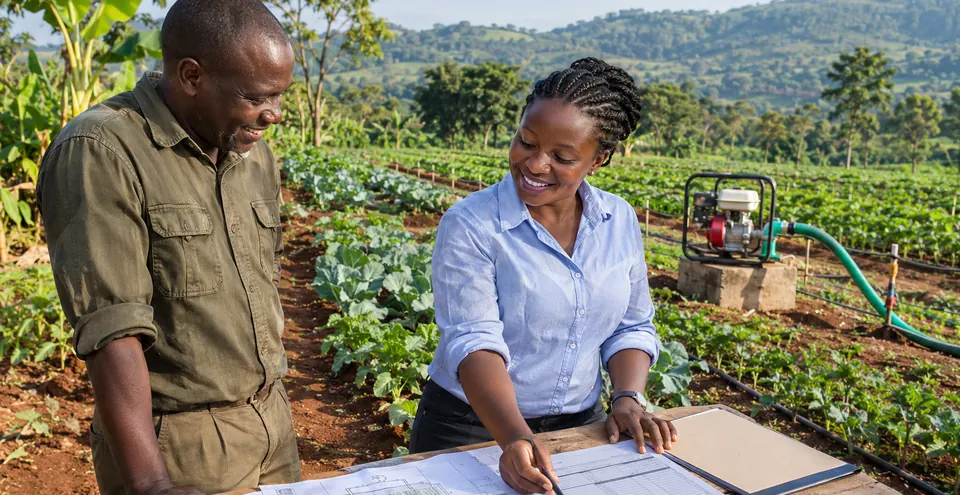
In Mauritius, seasonal fruit and vegetable picking jobs are modest in scale and spread across family farms, market gardens and a few larger estates. Lychees ripen around Christmas, mangoes in the hot months, and vegetables such as tomatoes, chillies and brinjals are picked through much of the year. Sugar cane dominates farmland but is a separate sector. Most vegetable and fruit work is casual, paid by day or by weight, and found through relatives or growers. Heat, humidity and cyclone risks affect planning, and workers should insist on a clear agreement.
This page in other languages : Français
Farming regions and crops
Agriculture in Mauritius is shaped by volcanic soil, rainfall differences and limited land. The central plateau around Curepipe and Vacoas is cooler and wetter, suited to tea, flowers and vegetables, while the western coast is drier and favours sugar cane. The north has fertile plains in Pamplemousses and Rivière du Rempart where market gardens thrive, and the east has fruit orchards and sugar estates.
Vegetable crops include tomatoes, chillies, brinjals, cabbage, lettuce, cucumbers, pumpkins, bitter gourd, chouchou and herbs such as thyme and coriander, which are key ingredients in Mauritian cooking. Smallholders sell directly to markets such as Port Louis Central Market, Quatre Bornes and Flacq, and to supermarkets and hotels. Planters belong to cooperatives and associations that supply inputs and advice.
Fruit trees are widespread. Lychees, which ripen from late November to January, are a Christmas tradition, and mangoes follow in December and February. Pineapples, particularly the small Victoria variety, bananas, papayas, guavas, citrus and passion fruit supply markets and processors. Rodrigues grows chillies, limes and onions, and its produce travels to the main island by ship, giving some extra work in packing and loading.
Rodrigues deserves a separate mention. The island, about six hundred kilometres to the east, has a drier climate, small family farms and a strong tradition of chilli, lime and onion production. Seasonal helpers there pick, clean and dry crops, often as part of household enterprises. Travel between the two islands is by ship or plane, and anyone wishing to work in Rodrigues should confirm arrangements with local authorities in Port Mathurin.
Harvest calendar and daily tasks
Picking days start early because humidity and heat rise by mid-morning. Workers cut or pluck produce, place it in baskets or crates and carry it to a collection point. Lychees are cut in clusters with a small branch to keep them fresh, and mangoes are collected carefully to avoid bruising. Tomatoes are picked at the colour stage requested by the buyer, and chillies are hand-picked with gloves.
After picking comes sorting and packing. Workers separate damaged fruit, grade by size and pack in crates or boxes for markets and exporters. Packhouses near Pamplemousses and Riche Terre handle produce for hotels, supermarkets and export. Some tasks continue under cover and out of the sun, which is welcome in the hot months, and they are often carried out by women and older workers.
| Period | Typical crops or task | Main areas |
|---|---|---|
| November to January | Lychees, early mangoes, tomatoes and chillies | Pamplemousses, Flacq, Savanne |
| February to April | Mangoes, bananas, papayas, planting after the rains | Black River, Rivière du Rempart |
| May to August | Pineapple, cabbage, lettuce, carrots, cool-season vegetables | Plaines Wilhems, Curepipe |
| September to October | Brinjals, cucumbers, passion fruit and citrus | Northern plains, Rodrigues |
Equipment is simple. Pickers use baskets, crates, secateurs, small ladders and gloves, and many farms provide hats and boots. Irrigation systems, shade nets and greenhouses help growers manage dry spells and cyclones, so some workers also learn to maintain pipes and tunnels. Experience in handling and grading produce is valued, and skilled pickers are often asked back the following season.
Quality matters most for hotel and export buyers. Hotels in Grand Baie, Belle Mare and Le Morne ask for uniform sizes, clean produce and punctual delivery, and exporters follow checks for pests and residues. A picker who understands what a buyer wants, such as the ripeness stage for a mango or the size of a chilli, saves the farmer from rejected loads and builds a reputation for care.
Pay, conditions and housing
Agricultural work is covered by the Workers' Rights Act and by sector remuneration regulations that set minimum pay. Workers may be paid by the day, by the hour or by weight or number of crates. Ask the grower to explain how the count is made and when the money will be paid. Keep a personal notebook with dates and quantities, since it helps resolve disputes.
Most pickers live nearby and travel to work by bus, motorcycle or on foot. Large estates sometimes provide transport from villages in the early morning. Housing for seasonal workers is rarely offered, though foreign workers in the sugar and construction sectors have been housed in dormitories. If lodging is promised, ask about location, rent and rules, and ensure that the arrangement appears in writing.
Heat and humidity are the main strains. Workers should wear a hat, light long sleeves and sunscreen, drink water regularly and rest in shade. Hands and feet need protection from thorns and sharp tools. Wash produce and hands before eating, and treat cuts at once, because infections spread quickly in a humid climate. Tell the supervisor if you feel dizzy or unwell.
Cyclone and heavy rain periods interrupt harvests. Fields may flood, roads can close and some crops are lost, so workers need a financial buffer. Growers sometimes bring forward the harvest when a storm is expected, which creates sudden extra work. Follow official warnings from the meteorological services, and do not return to the fields until authorities say it is safe.
Legal protection and good practice
Employers must register workers, provide payslips and respect hours, rest days and holidays. The Ministry of Labour inspects farms and resolves complaints. The Occupational Safety and Health Act requires proper training and equipment, and chemicals must be handled with care. Workers should refuse to handle pesticides without protective clothing and instructions, and children must not do hazardous or heavy work.
The Food and Agricultural Research and Extension Institute supports growers with technical advice, and the Mauritius Chamber of Agriculture represents farming interests. Small planters can receive help from government schemes, and these networks can be good sources of information about reliable farms. Ask local agricultural offices which growers hire casual workers during the busy months.
Foreigners need a work permit, and the process is handled through the Economic Development Board and immigration authorities. A tourist cannot work on a farm for pay. Those who want to learn about tropical agriculture can contact research bodies and educational institutions about supervised visits, but these arrangements should be agreed in writing and should not replace paid local employment.
Local organisations offer support. Planters' cooperatives, village councils and agricultural extension officers know which growers need help and which pay fairly. The Small Farmers Welfare Fund and similar bodies give small planters assistance with inputs and training. Workers who attend demonstrations or short courses on grading, safe pesticide use and post-harvest handling make themselves more employable and safer on the job.
Frequently asked questions
When is lychee season in Mauritius?
Lychees usually ripen from late November to January, so picking and packing jobs rise around Christmas and New Year. Fruit is sold in markets and exported, and extra hands are needed in the orchards and packhouses for a few weeks.
Is sugar cane harvest the same as fruit picking?
No. Cane cutting is a separate sector with its own estates, mills and seasonal calendar, usually from June to December. Fruit and vegetable picking is smaller, more scattered and more informal, though some workers move between the two according to the time of year.
How should I protect myself from the heat?
Start early, wear light long sleeves and a hat, drink water often and rest in shade. Apply sunscreen and avoid the hottest hours. If you feel dizzy, nauseous or confused, stop working and seek help at once.
Where to find these jobs
- Food and Agricultural Research and Extension Institute — Public institute that provides technical advice, training and research to farmers growing vegetables and fruit across the island.
- Mauritius Chamber of Agriculture — Association that represents agricultural producers and discusses policy and labour matters affecting farms and sugar estates.
- Ministry of Agro-Industry and Food Security — Government ministry that supports farming, plant protection and food production and runs programmes for small planters.
- Ministry of Labour, Human Resource Development and Training — Government ministry that inspects farms, enforces labour rules and handles complaints from agricultural workers.
Official and legal references
- Government of Mauritius — Official government portal with information on agriculture, labour and public services in English.
- Statistics Mauritius — National statistics office publishing agricultural and labour data about the island in English.