Eritrea: seasonal fruit and vegetable picking jobs, crops, harvest months and local farming
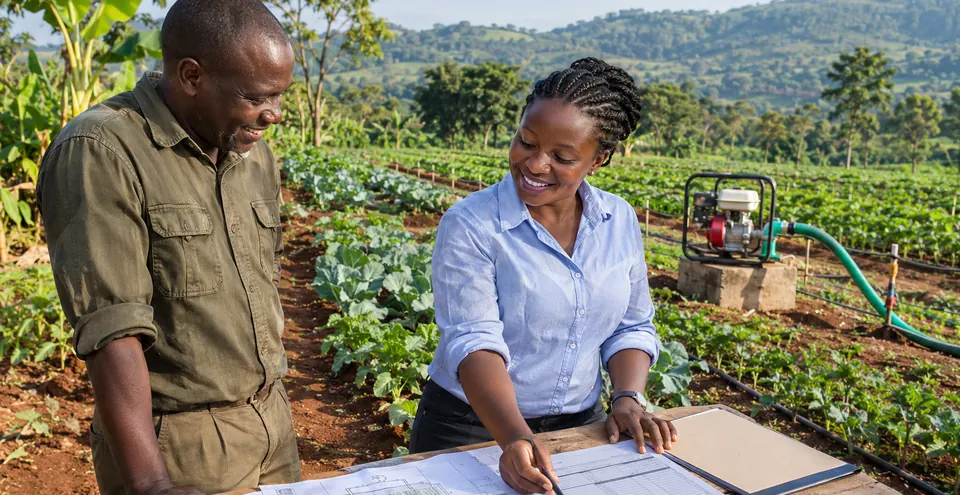
Eritrea has a farming calendar built on short rains and a few rivers, so seasonal fruit and vegetable picking follows the moments when crops ripen. The work covers harvesting potatoes, onions, tomatoes, peppers and leafy greens in the highlands, and sorghum, cotton, bananas and citrus where irrigation exists. Pickers gather, sort and carry produce to markets or collection points. Most of this labour is local and organised through farms and families, and foreign participation is tightly limited, so any approach needs care. Crops, harvest months, tasks and working conditions all shape how this work is done.
Eritrea seasonal fruit and vegetable picking: what grows where
Eritrea is dry for much of the year, and agriculture depends on seasonal rain and on a few rivers. In the highlands around Asmara, Dekemhare and Mendefera, farmers grow cereals and pulses in the rainy months and tend vegetable gardens near wells and small dams. Potatoes, onions, tomatoes, cabbages, peppers and leafy vegetables are sold at the central markets and consumed fresh by city households.
The western lowlands of Gash-Barka and the valleys of the Anseba have hotter weather and more land that can be irrigated from rivers such as the Gash and Barka. Farms here grow sorghum, sesame, cotton and vegetables, as well as bananas, papayas, mangoes and citrus in places with reliable water. Bananas and citrus are also grown in some coastal and mid-altitude valleys, though on a small scale.
Keren is known for the prickly pear, called beles, whose fruit ripens in late summer and is sold along roadsides in colourful piles. Pickers must handle the spines carefully, using gloves or leaves, and vendors peel the fruit for customers. Beyond prickly pears, dates and some tropical fruit grow near the coast, and livestock products complement the crop economy.
Farming in Eritrea is shaped by scarcity of water and by the history of the land. Terraces built on hillsides slow erosion and hold rain, small dams capture runoff, and trees planted by communities protect soil. These works were often carried out through collective labour, and they remain part of the rural landscape. A visitor who understands this background will appreciate why farm tasks are shared by many people and why water is treated with great respect.
Harvest calendar and tasks
Summer rains from June to September stimulate sowing and weeding. Vegetables in gardens near water points are picked throughout the year, while the grain harvest takes place in autumn and early winter. Fruit follows its own cycles, with prickly pear in late summer, citrus in cooler months and papaya and banana spread across the year where irrigation exists.
| Crop | Typical picking period | Main zones |
|---|---|---|
| Prickly pear (beles) | Late summer, roughly August to September | Keren and Anseba valleys |
| Tomatoes, onions, peppers | Spread across the year with irrigation | Gash-Barka, highland gardens |
| Citrus, banana, papaya | Cooler months and year-round in wet spots | Gash-Barka, Anseba, coastal valleys |
| Sorghum, sesame, cotton | Autumn to early winter | Gash-Barka lowlands |
Tasks include picking by hand, filling baskets or sacks, carrying loads to the roadside, washing and sorting produce, tying vegetable bundles and loading donkeys, carts or trucks. Work usually starts at dawn because midday heat in the lowlands is intense. Teams are mostly family members and neighbours, and the owner supervises and pays in cash or produce according to local custom.
Vegetable gardening has grown near towns and wells. Households in Asmara, Keren and Mendefera cultivate small plots of tomatoes, onions, lettuce, pepper and herbs, and sell surplus produce at the market. Women often manage the sales, bargaining firmly and cheerfully with buyers. Drip irrigation and shade nets are used in some places, and training programmes teach farmers about composting, seeds and the control of pests.
Seasonal cooperation is a strong tradition in the countryside. When a field is ready for harvest, relatives and neighbours gather, work in turn on each household's plot and share meals of injera, stew and tea at midday. This labour exchange means that few farmers need to hire strangers, but it also teaches visitors how Eritrean communities organise cooperative effort, and why trust matters more than contracts.
Conditions, pay and safety for seasonal harvest work in Eritrea
Pay is agreed locally and may be a share of the harvest, a small payment per basket or a daily wage. There is no large seasonal workforce of outsiders, so rates are shaped by village custom rather than by agency contracts. Any serious arrangement should be confirmed through the local administration or the agricultural office, particularly if a foreigner is involved.
Heat is the main hazard in the lowlands. Workers should drink water often, wear a hat and light long sleeves, rest at midday and avoid working alone. Spiny plants, snakes, scorpions and mosquitoes require care, and malaria exists in lowland zones, so protection and medical advice are important. Basic first aid and knowledge of the nearest health facility should be arranged before beginning.
- Agree on pay and the unit of measure before you start.
- Carry plenty of drinking water and sun protection.
- Keep your identity documents and permits with you at all times.
- Tell someone where you are working and when you will return.
Livestock complements crop work and creates additional tasks around harvest time. Cattle, goats, sheep and camels provide milk, meat and transport, and herders move according to rainfall. When fields are harvested, animals graze on the stubble and fertilise the soil. A helper may be asked to herd animals, fetch water or carry fodder, and these jobs are shared among family members according to age and strength.
Water management dictates how and when picking happens. Irrigated vegetable beds are watered in the early morning or late evening, picked before the sun is high, and rested during the hottest hours. Pickers who respect these schedules, avoid trampling beds and help close channels properly are appreciated, because a damaged channel can waste precious water and cause disputes between neighbours.
Access, authorisation and respect
A foreigner cannot enter a rural area and begin harvest work independently. Travel outside the capital has required official permission, and agricultural employment of non-nationals falls under the state's control. If you have a legitimate project with an organisation, a registered company or a university, ask through that body how authorisation, accommodation and local liaison are arranged.
Respect for communities is essential. Ask permission before photographing people or farms, accept hospitality graciously, dress modestly and follow the guidance of village elders. Do not take produce without payment, and be conscious that water is precious in this dry country, so avoid waste and follow local customs for sharing it.
Post-harvest handling matters in a hot climate. Fruit and vegetables spoil quickly in the sun, so growers move them to the market early, cover them with cloth or leaves and sell them within a day or two. Storage in cool rooms is rare, which is why timing is vital. Efficient carriers, stall keepers and truck drivers help growers keep their income and reduce waste.
Cooperation with international and national programmes provides training in farming methods. Extension workers visit villages to explain seed selection, irrigation and soil protection, and demonstration plots show improved practices. Those who attend these sessions gain skills that are valuable in any agricultural setting. However, the programmes serve local communities, and participation of outsiders depends on formal agreements with the authorities.
Common questions
Is there an organised fruit harvest in Eritrea?
No export-style harvest exists. Fruit and vegetables come from small farms, gardens and cooperatives, and picking is organised within communities.
What is the beles fruit?
Beles is the prickly pear, famous around Keren. It ripens in late summer, is picked with care to avoid spines and is sold peeled along roads and in markets.
Eritrea: can I volunteer on a farm?
Only through a recognised organisation and with official permission. Informal farm stays are not advisable and may breach local regulations.
Where to find these jobs
- Ministry of Agriculture of Eritrea — Government ministry that guides farming policy, irrigation projects and extension services and works with cooperatives and village communities.
- National Union of Eritrean Women — National organisation that supports women's livelihoods, including farming, gardening and food sales in rural and urban communities.
- Hamelmalo Agricultural College — Higher education institution in the Anseba region that trains agricultural specialists and conducts research on crops and soils.
Official and legal references
- Food and Agriculture Organization — United Nations agency providing information on farming systems, crops and food security in Eritrea and the Horn of Africa.
- Shabait, Ministry of Information of Eritrea — Official government portal with news on agriculture, rainfall, national programmes and public announcements.