Trinidad and Tobago: fruit and vegetable picking jobs on small farms, estates and market gardens
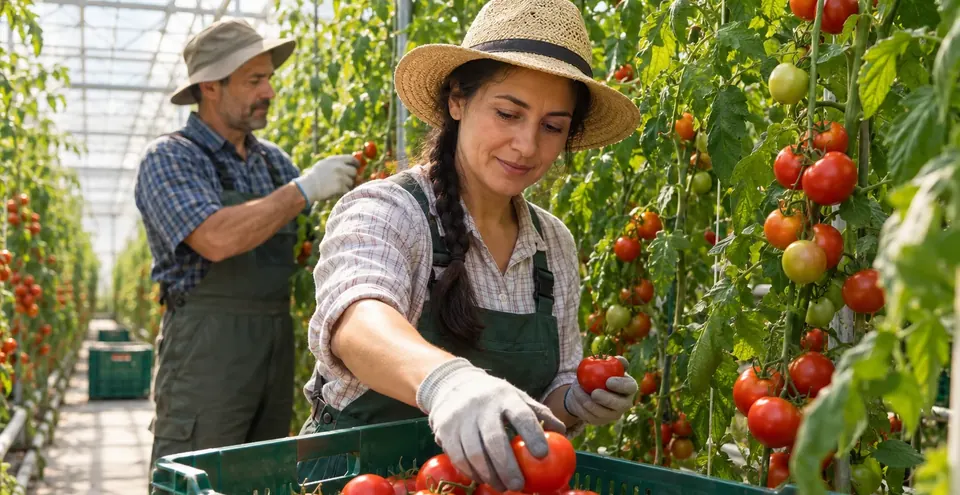
Trinidad and Tobago has seasonal fruit and vegetable picking jobs on small farms, estates and market gardens, within a farming sector that is diverse but modest in size. Growers around Couva, Chaguanas and Cunupia in Central Trinidad supply city markets with vegetables, and hot peppers such as Scotch bonnet and scorpion are a signature product. Work is paid by the day, and most harvesters are local. Visitors need to learn about housing, protection and law, and where to find work and advice.
Trinidad and Tobago fruit and vegetable picking: what is grown and where
Farming on the twin islands is varied but small in scale. In Central Trinidad, around Couva, Chaguanas and Cunupia, market gardens grow vegetables for local supermarkets and Port of Spain markets. The Santa Cruz and Maracas valleys in the north specialise in vegetables, herbs and cocoa, while Moruga, Princes Town and Rio Claro in the south produce citrus, pumpkin, cassava and fruit. The east coast around Mayaro and Manzanilla is known for coconut palms, and Tobago grows root crops, vegetables, fruit and some cocoa.
Hot peppers are a defining product. Scotch bonnet and the very hot scorpion varieties are grown for sauces and for sale, and their picking requires gloves and care. Other crops include tomatoes, cucumber, lettuce, pak choi, ochro, bodi or long beans, melongene or eggplant, christophene, dasheen leaves for callaloo and cassava. Fruit includes mango in several varieties, such as the well-known Julie, along with oranges, grapefruit, pawpaw, watermelon, banana and pommecythere. Seasons overlap, so some picking is possible almost every month.
The sugar era shaped the land. Large estates once employed thousands of cane cutters, but the state sugar company closed, and the former cane lands were turned into smaller leased plots and housing. Many farmers now hold leased state land, and some have limited security of tenure, which affects investment and hiring. Agricultural work today is a patchwork of family farms, cooperatives and a few commercial growers. Workers should expect small teams, mixed tasks, and personal agreements rather than the formal contracts of big estates.
Fishing and mixed farming overlap with picking. Families in places such as Mayaro, Toco and Moruga fish when the sea is calm and farm in between, and they hire neighbours for peak weeks. Tobago farmers combine root crops, vegetables, fruit trees and animals, and sell at the Scarborough market and along roadsides. These small operations rely on a trusted circle, and the pace of work depends on rain, tides and family events. Newcomers should be patient, observe how tasks are shared and accept guidance without argument.
The work, pay and rhythm for seasonal farm work in Trinidad and Tobago
Picking involves bending, lifting, carrying buckets or crates, cutting with a cutlass or knife, and loading trucks. Mornings start early to avoid the heat, and the rainy season, from June to December, makes fields muddy and slows work. Vegetables must be harvested at the right moment, then washed, sorted and delivered quickly to markets such as those at Port of Spain and San Juan. Workers should wear boots, a hat, a long-sleeved shirt and sun protection, and drink plenty of water. Gloves are essential for peppers.
Payment is often a daily rate, sometimes by the sack, crate or bucket, and arrangements are usually agreed with the farmer. The legal minimum wage applies, but small farms may not always follow it, so workers should be aware of their rights and seek advice from the Ministry of Labour if they feel underpaid. Ask when payment will occur, whether lunch is provided and how rain days are treated. Keep a personal record of days worked. Transport to remote plots can be a difficulty, and workers may pay for a ride or share a vehicle.
The table summarises the main crops and the periods when picking is common. It is a general indication, because farms plant at different times and weather conditions vary from year to year. Irrigation allows some vegetable growing in the dry season from January to May, while heavy rains can interrupt work. If you plan to move between farms, ask local farmers and the nearest agricultural extension office for guidance on timing, soil and expected yields.
| Crop | Typical picking period | Main area |
|---|---|---|
| Hot peppers and tomatoes | Dry season and early rains | Central Trinidad, Santa Cruz |
| Pumpkin, cabbage and cucumber | Spread across the year with irrigation | Central and South Trinidad |
| Mango | Around April to July | Many districts, Tobago |
| Citrus and cocoa | Main crop in the second half of the year | Moruga, Rio Claro, northern valleys |
Food safety and quality affect pickers too. Supermarkets and exporters set standards for size, colour and cleanliness, and rejected produce reduces income. Pickers must handle fruit gently, avoid contact with soil on leafy vegetables and keep crates clean. Washing hands, wearing clean clothes and leaving ill workers at home protects consumers. Farms that supply export markets may be inspected, and trained pickers who understand grading are valued. Learning these basic practices is an easy way to move from casual to regular work.
Housing, protection and law
Most pickers live in nearby villages or towns and travel daily. Accommodation on the farm is rare, so those who come from other districts rent rooms or stay with relatives. If a farmer offers housing, inspect it and ask about water, toilets and cooking arrangements. Protection against mosquitoes is important, as dengue is present, and clean water must be available in the field. Agricultural pesticides should be handled by trained people, with gloves and masks, and workers should never be asked to enter recently sprayed rows.
Employment law applies to farm workers, including the Occupational Safety and Health Act, which requires employers to take care of the health of employees. Children cannot be used for farm labour under the age limits, and young people should not do hazardous tasks. Foreign nationals require a work permit, and non-citizens working without one can be detained or removed. Citizens of other CARICOM states should check the rules on skilled nationals and the arrangements for their particular occupation before accepting farm work.
Where to find work and advice for seasonal fruit and vegetable picking in Trinidad and Tobago
Several organisations help farmers and workers. The Ministry of Agriculture, Land and Fisheries runs extension services and training, the Agricultural Society of Trinidad and Tobago represents farmers, NAMDEVCO supports marketing and markets, and the University of the West Indies at St Augustine researches crops and trains agronomists. In Tobago, the Division responsible for food production assists local growers. Personal contacts with farmers at markets, farmers' groups and community centres are the most common way to hear about picking work.
Beyond the islands, a few Caribbean workers join seasonal farm programmes in Canada, where the Seasonal Agricultural Worker Programme recruits citizens of participating countries through government channels. Anyone interested should contact the relevant ministry and avoid private agents asking for a fee. At home, those who wish to become farmers can seek advice about leasing land, loans and training, and can join cooperatives to share equipment and sell produce at better prices.
Women and young people play a visible role in farming and marketing across the islands. Many market vendors are women who sell directly from stalls, and farmers' groups provide training in processing, such as making pepper sauce, jams, chutneys and dried products. These small enterprises create seasonal work in sorting, peeling, bottling and labelling, which is easier on the body than field picking. Those interested can ask local extension officers about courses and about the licences needed to sell prepared foods.
Questions on farm picking jobs
Is farm work available all year?
Some picking is possible in most months because crops are planted at different times, but demand rises when mangoes, peppers and vegetables are ready. Rain and irrigation affect timing.
Can foreigners pick fruit in Trinidad and Tobago?
Only with the right permit or status. Cash work without permission is illegal, and a visitor can face removal. Check with the immigration authorities before starting any job.
What clothing is best for harvest work?
Wear a hat, light long sleeves, sturdy boots and gloves for peppers. Carry water, sun protection and insect repellent, and bring a change of clothes in the rainy season.
Where to find these jobs
- Agricultural Society of Trinidad and Tobago — Long-established farmers' organisation that represents growers and promotes agriculture and rural livelihoods in both islands.
- National Agricultural Marketing and Development Company — State company that supports farmers with markets, collection, marketing and information about produce prices.
- University of the West Indies Faculty of Food and Agriculture — Faculty at St Augustine that teaches agriculture and carries out research on tropical crops and farming systems.
Official and legal references
- Trinidad and Tobago Meteorological Service — National weather service with forecasts, rainfall information and seasonal outlooks useful for farm planning.