Saint Vincent and the Grenadines: fruit and vegetable picking jobs on farms, estates and root crop plots
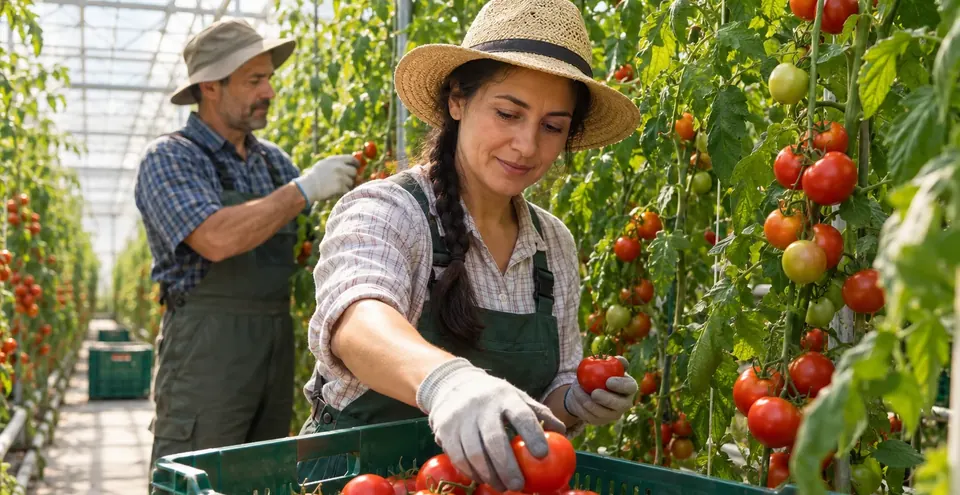
In Saint Vincent and the Grenadines, fruit and vegetable picking jobs are found mainly on the main island of Saint Vincent, where bananas, plantain, root crops, arrowroot, coconut, breadfruit and vegetables grow on fertile volcanic slopes. Farms are small, and work is arranged within families or by day with neighbouring growers. The banana industry, once a major employer, has shrunk but still exists, and the Grenadines have only modest gardens. Citizens fill nearly all farm tasks, and a non-national needs a work permit tied to an employer.
Crops, regions and the farming year
Saint Vincent has some of the richest soils in the Eastern Caribbean, formed by volcanic ash. The windward side, from Georgetown to Owia, has bananas, arrowroot, coconut and root crops, while leeward valleys grow vegetables, plantain and fruit. The Marriaqua valley is known for market gardens, and farmers supply Kingstown's market, supermarkets, hotels and exporters.
Typical crops include banana, plantain, dasheen, eddoes, sweet potato, yam, cassava, tannia, pumpkin, tomato, cabbage, sweet pepper, cucumber, carrot and herbs. Fruit trees such as mango, soursop, guava, golden apple, breadfruit and citrus grow in gardens and on farms, and many families sell surplus fruit in the roadside markets.
| Crop | Main areas | Work involved |
|---|---|---|
| Bananas and plantain | Windward side, northern and eastern valleys | Cutting bunches, carrying, washing, boxing |
| Arrowroot | North near Owia and Orange Hill | Digging rhizomes, washing, processing |
| Root crops | Hillsides across Saint Vincent | Planting, digging, bagging for market |
| Vegetables and herbs | Marriaqua valley and leeward areas | Planting, picking, washing, packing |
There is no single harvest season. The islands lie in the tropics, so crops are planted in succession, and the busiest weeks follow the rains. Arrowroot is dug during the drier months, mangoes ripen in the early summer, and vegetables are planted after the rains return, with market demand peaking before holidays.
Arrowroot is a distinctive crop. Its starch is extracted from the rhizomes, which are dug, washed, grated and processed at a factory near Orange Hill, and it is used in foods and industry. The industry is small today, but it remains part of local identity, and workers are hired for digging and processing in the drier months.
How the work is arranged and paid
Most farms are owned by families and cultivated with the help of relatives and neighbours. Farmers hire day workers for planting, weeding and harvesting, and the work lasts days or weeks. Banana growers often belong to groups that organise packing sheds and transport, and workers there may be paid by the day or by the box.
Saint Vincent and the Grenadines: pay and conditions
Pay is agreed directly with the farmer or the packing shed, and rates differ by crop and region. There is no published scale for every task, so ask for the rate, the hours and the payment date before beginning. Keep a record of days worked, and confirm the arrangement by message or in writing.
Farm work is hard. Slopes are steep, the sun is strong, and rain can arrive suddenly. Workers carry bunches of bananas or sacks of root crops over rough ground, and tools such as machetes and forks cause cuts. Wear boots, a hat and long sleeves, drink water often and take breaks in the shade during the hottest hours.
Bananas have a long history on the islands. Farmers once exported large volumes to the United Kingdom, and many families still grow them on small plots. Bunches are cut, carried to packing sheds, washed, inspected and boxed. Quality standards are strict for export, so workers must handle fruit carefully to avoid bruising and scars.
Health, safety and volcano awareness
Pesticides and fertilisers are used on some farms, especially banana plantations. Ask which products are applied and when, whether gloves and masks are provided, and where to wash after work. Do not eat in the field without washing hands. The Ministry of Agriculture and farmers' groups offer training on safe use.
La Soufrière volcano in the north has erupted in the past, covering farmland with ash and forcing evacuations. Farmers in the north know the warning signs and follow instructions from the national emergency management organisation. Workers in these areas should ask what the evacuation plan is and make sure they know the routes to safety.
Mosquito-borne diseases such as dengue occur in the Caribbean, so use repellent, wear long sleeves in the evening and clear standing water around the farm. Keep tetanus protection up to date, clean cuts quickly and note the closest clinic, which may be in Kingstown, Georgetown or Chateaubelair, depending on the area.
Fishing and gardens complement farming. Many households combine a small plot with fishing, and the proceeds feed the family and supply the market. Workers who help with both may be paid in cash or in produce. Clarify the terms before starting, so that expectations about pay, hours and meals match on both sides.
Rules, support and who can work
Citizens may work in agriculture under national labour law. Employers must pay agreed wages and respect safety standards, and children should not be assigned to hazardous work. Workers can contact the Labour Department about disputes. Farmers can consult the Ministry of Agriculture for advice on crops, pests, irrigation, packaging and marketing.
A non-national needs a work permit connected to an employer, and picking jobs are unlikely to be approved because local workers are available. A visitor who wishes to learn about farming should ask the authorities whether even unpaid work is allowed, and should arrange a clear written agreement with the host farm on tasks, dates and lodging.
Cooperatives and farmers' organisations help growers share equipment, buy supplies and sell produce, and the Ministry of Agriculture provides extension officers who visit farms. Hotels and restaurants in Bequia, Mustique and Canouan buy vegetables and fruit, and some growers deliver weekly by ferry, which creates small jobs in packing and loading.
Markets in Kingstown are busiest on Friday and Saturday, when growers bring produce by truck and minibus. Vendors sort, wash and bundle vegetables before dawn, and helpers carry crates and weigh goods. Buyers from hotels and supermarkets also visit, and reliable growers build lasting relationships that give steady work to the same helpers.
Transport matters in a country made of islands. Produce for the Grenadines travels by ferry or cargo boat, and delays occur in rough seas. Growers and traders plan deliveries carefully, and helpers who load boats, check weights and keep records are valued, especially in the winter when demand from resorts and yachts is strong.
Always agree on weighing and counting before starting. If bunches or boxes are the basis for pay, watch the weighing, note the figures and compare them with the payment received. Small mistakes are easy to fix on the same day, and hard to correct weeks later.
Frequently asked questions
Is there a fruit-picking season in Saint Vincent and the Grenadines?
There is no organised season for visitors. Fruit and vegetables are harvested across the year, with mango in the early summer and arrowroot digging in the drier months. Jobs are small, local and arranged by the day with the farmer.
How are banana workers paid?
By the day or by the box, depending on the group or the grower. Ask for the rate in advance, confirm the hours and keep a record of what you were paid. A packing shed supervisor can explain the system used.
Where can I learn more about farming?
The Ministry of Agriculture and farmers' groups offer advice on crops, training and markets. The community college also has programmes related to agriculture, and agricultural shows are a good place to meet growers and see local produce. Ask about field days and training in Saint Vincent and the Grenadines.
Where to find these jobs
- Ministry of Agriculture, Saint Vincent and the Grenadines — Government ministry that offers extension advice, planting support and marketing help to farmers.
- Saint Vincent Arrowroot Industry Association — Producer organisation that supports arrowroot growers and the processing factory in the north of the island.
- Saint Vincent and the Grenadines Chamber of Industry and Commerce — Business association that links growers, hotels, retailers and exporters of local produce.
- Department of Labour, Saint Vincent and the Grenadines — Government office that handles work permits, employer duties and worker complaints.
Official and legal references
- Government of Saint Vincent and the Grenadines — Official government portal with ministries, agencies, services and notices for citizens and visitors.
- Saint Vincent and the Grenadines Tourism Authority — Official tourism site with information on events, markets and local food across the islands.