Fiji: seasonal holiday resort activity leader jobs, kids clubs and island tours
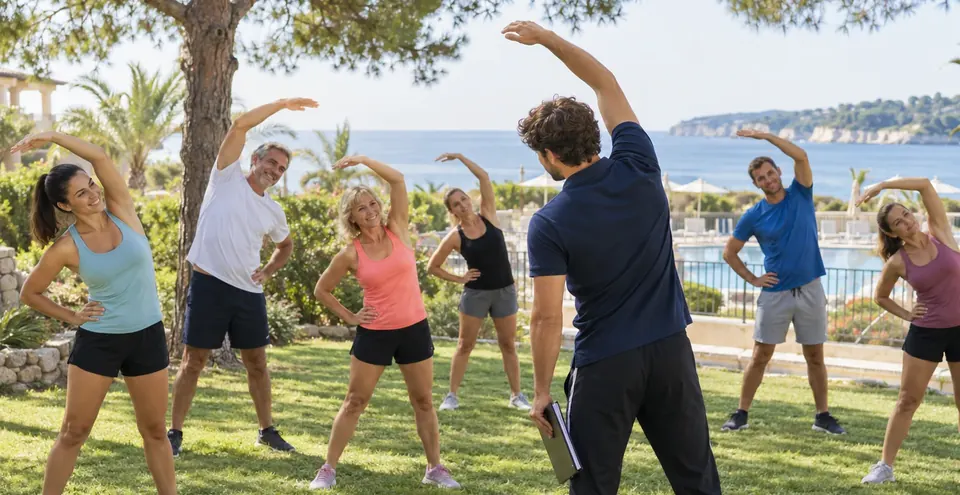
Within Fiji, seasonal holiday resort activity leader jobs involve running programmes that keep guests busy and entertained, from kids clubs and beach games to snorkelling trips, village visits and evening kava and meke performances. Posts exist in resorts on Denarau, the Coral Coast and the Mamanuca and Yasawa islands, mostly during the cooler, drier months and school holidays. Local candidates are preferred, and foreign staff need a work permit. Employers look for energy, safety awareness, good English, first aid and a respectful approach to Fijian customs.
What an activity leader does
An activity leader plans the daily schedule, welcomes guests at the activities desk and leads sessions such as beach volleyball, coconut husking, traditional weaving, lovo cooking demonstrations and sunset cruises. Some resorts hire dedicated team members for the evening show, where drumming, singing and the meke dance tell stories of village life.
Kids clubs form a major part of resort entertainment. Staff organise craft sessions, treasure hunts, face painting and swimming lessons for children of visiting families, often supervised in shifts during school holidays. A calm manner, patience and creativity matter more than formal training, although qualifications in early childhood care are an advantage.
Water sports are another strand. Snorkelling guides, kayak and paddleboard instructors, boat crews and dive centre assistants help guests explore reefs. These roles demand strong swimming skills, rescue and first aid certificates, and respect for marine areas that are often managed by local communities.
Safety briefings are central to the job. Before every boat trip or reef visit, the leader checks weather, sea state, life jackets and head counts, and explains what to do in an emergency. Guests unfamiliar with the Pacific may underestimate currents, coral cuts and sun exposure, so a good leader repeats key points calmly and notices who needs help.
Evening hosts and activity staff also support weddings and honeymoon packages, which form a significant part of resort business. Decorating a beach setting, arranging flower leis, guiding a couples' sunset sail and coordinating music are typical tasks, and they demand tact, punctuality and an eye for detail from the whole team.
Resorts, islands and seasons
Larger programmes are found on Denarau Island and the Mamanuca group, where family resorts offer a full day of supervised activities. The Yasawa islands lean toward adventure and cultural experiences, with village visits, hikes and cave swims, while Taveuni and Savusavu draw divers, bird watchers and walkers.
The busiest period matches the cooler dry months and Australian and New Zealand school holidays, particularly around mid-year, September and Christmas. Teams grow just before these windows and shrink after. During the cyclone months, some resorts operate with reduced activity programmes or close for maintenance.
A job on a small island can mean living on the property, sharing a room with colleagues and eating in a staff area. Days are long but varied, and time off may be taken in blocks. Check how often supply boats run and whether there is internet, since connectivity can be limited.
Evening programmes give the resort its personality. Fire knife shows, string band nights, crab races and kava circles are typical, and some properties host cultural nights built around a village visit. Managers often prefer staff who can join in without taking attention from local performers, and who can explain customs to guests respectfully, including why kava is shared in a certain order.
Cruise calls at Lautoka, Suva and Savusavu add a different kind of activity work. Shore guides, market hosts, bus escorts and cultural performers meet passengers for a few hours and then wait for the next ship, so these jobs are irregular but can pay off for people with several languages and a flexible diary.
| Activity area | Typical tasks | Skills asked for |
|---|---|---|
| Kids club | Games, crafts, supervised play | Patience, first aid, child safeguarding |
| Water sports | Snorkel, kayak, paddleboard sessions | Strong swimming, rescue certificate |
| Culture and shows | Meke dance, kava ceremony, weaving | Local knowledge, performance, respect for protocol |
| Excursions | Village visits, hikes, island tours | Guiding, languages, safety briefings |
Qualifications, languages and child safety
Resorts expect a valid first aid certificate, a water safety or lifeguard qualification for beach and pool duties, and a clean record for those working with children. Divemasters and instructors hold recognised international certifications, and boat crews may need maritime safety training under rules from the Maritime Safety Authority of Fiji.
English is the main working language, and Fijian and Hindi are widely understood. Japanese, Mandarin or French can set a candidate apart for guided tours. Public speaking, humour and clear safety briefings are practical skills, and singing or playing the guitar and ukulele is a bonus for evening entertainment.
Child safety is taken seriously. Resorts require staff to follow rules on supervision ratios, swimming, allergies and parental permissions. Workers should know the resort procedures for emergencies, lost children and injuries, and report concerns promptly to a manager rather than handling serious incidents alone.
Leadership skills grow with experience. Team leaders handle rosters, quality checks, guest complaints and budgets for supplies, and the step from activity host to activities manager usually takes several seasons. Some leaders move into tour operations, dive instruction or event planning, taking their island experience with them to larger resorts or to the mainland.
Applying and what to expect
Send a clear application to resort human resources teams, with a short video or description of your skills where possible. Employers appreciate references from previous guest-facing work, such as camps, schools, sports clubs or dive shops. Attendance at job fairs run by training institutions can open doors.
Foreign applicants should expect the employer to apply for a work permit first. A tourist visa is not a substitute, and trial shifts without permission may breach conditions. Check the Department of Immigration for the current process, and keep your qualifications certified and ready for review.
Pay depends on the resort and role, and may include housing and meals. The national employment standards on hours and rest days apply, although resort rosters can be intense. Discuss days off, overtime and staff discounts, and make sure every term is written in the contract before you arrive.
Working conditions deserve realistic expectations. Days start early and end late, time for personal rest may be limited, and small islands can feel isolated. Strong teamwork and humour help. Staff should agree on what happens if the weather cancels activities, since some employers continue to pay while others reduce hours, and a written clause avoids confusion.
Insurance and health cover are worth checking before you sign. Accidents can occur during water sports and excursions, so ask whether the employer carries cover for staff, how emergencies are handled on remote islands, and who pays for medical transport. Workers should also arrange their own travel and health insurance if employer cover is limited.
Frequently asked questions
Do I need a qualification to lead activities?
For simple games and cultural sessions, enthusiasm and local knowledge may be enough, but first aid and water safety certificates are strongly preferred. Dive, boat and children's roles demand specific qualifications. Check each job description carefully, and keep copies of your certificates in the original and in digital form.
Can I perform at evening shows?
Resorts often work with local groups for meke performances and kava ceremonies, because these carry cultural meaning. Visitors may join as musicians or hosts when invited, but the cultural content is led by Fijians. Respect for protocol, dress and sacred elements is essential.
When do resorts hire activity staff?
Recruitment peaks a few months before the cooler dry months and before the end-of-year holidays, so late summer and early autumn applications are common. Last-minute openings can appear when a team member leaves or when cyclone repairs delay a resort reopening.
Where to find these jobs
- Tourism Fiji — National tourism organisation that promotes resorts, activities and cultural experiences and publishes visitor season information.
- Fijian Hotel and Tourism Association — Industry body for hotels and resorts, linking employers with training and standards for guest-facing staff.
- Maritime Safety Authority of Fiji — Regulates vessels and crews, setting safety rules relevant to boat guides, snorkel operators and island transfer staff.
- Fiji National University — Offers hospitality, tourism and maritime courses that prepare students for resort activity and guiding roles.
Official and legal references
- Tourism Fiji — Official destination site with information on islands, activities, cultural customs and operators visited by travellers.
- Fiji Department of Immigration — Official information on work permits and visa conditions for foreign staff in resorts and tour operations.