Antigua and Barbuda: fruit and vegetable picking jobs on small farms and estates
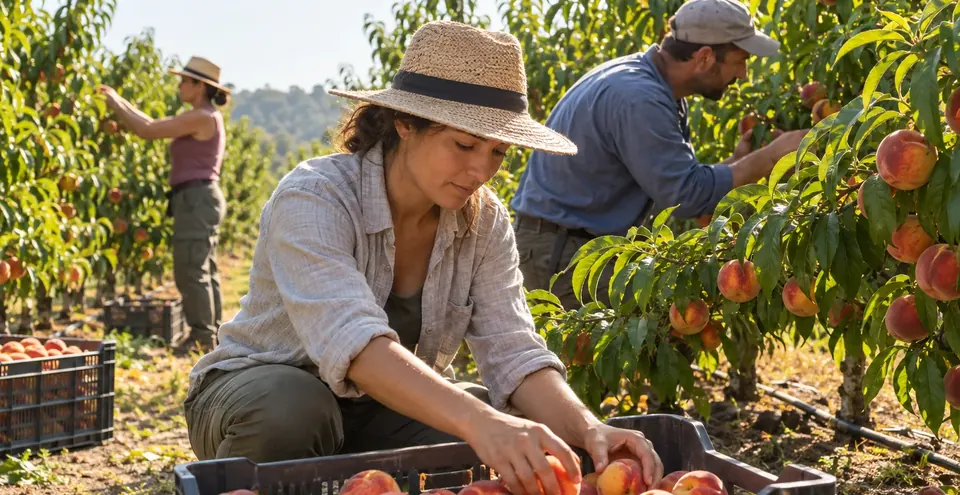
In Antigua and Barbuda, fruit and vegetable picking jobs exist, but on a small scale compared with the tourism economy. Sugar cane, once the backbone of the islands, ended long ago, and today farming relies on small and medium holdings producing vegetables, root crops, mangoes, melons and the famous Antigua black pineapple. Work is irregular, often arranged directly with the farmer, and paid by the day or the task. There is no organised migrant harvest programme, so opportunities are local, informal and mostly reserved for residents who hold the right to work.
What grows and when
The best-known crop is the Antigua black pineapple, a small, very sweet variety grown mainly in the southern parishes of Saint Mary and Saint Paul around Bolans and Old Road. It ripens over several months from late spring into summer, and picking is manual and careful because the plants are spiky and the fruit is easily marked. Growers sell at roadside stalls and at the Saint John's public market.
Mango season arrives in the early summer, when trees in backyards and orchards drop fruit in large numbers. Varieties such as the East Indian and the Julie mango are widely appreciated, and some farmers and householders hire hands to pick and carry. Citrus, soursop, guava, coconut and papaya are harvested in smaller volumes throughout the year, depending on rainfall.
Vegetable production covers cucumber, tomato, sweet pepper, pumpkin, cabbage, lettuce, okra, melon and herbs, and is more regular because irrigation and greenhouses allow more than one cycle. Root crops such as sweet potato, cassava and yam are harvested by digging, a heavier task. The island is dry, so water supply decides what a farm can plant and when it needs labour.
Dry spells shape the farm calendar more than the thermometer does. When the rains are late, some growers lose part of a crop, and labour needs shrink accordingly; when the rains come, weeds and plantings multiply and extra hands are briefly required. Anyone wishing to work in agriculture in Antigua and Barbuda must accept this uncertainty.
| Crop | Approximate picking period | Main tasks |
|---|---|---|
| Black pineapple | Late spring to summer | Careful cutting, crating, carrying |
| Mango | Early summer | Picking with poles, sorting, carrying |
| Vegetables under irrigation | Spread through the dry months | Picking, washing, packing for the market |
| Root crops | After the rains | Digging, cleaning, bagging |
The nature of the work
Tasks include picking, cutting, washing, sorting and packing, as well as weeding, planting and irrigation. Days start early to avoid the midday heat, and work in the field can be physically tiring, with bending, carrying crates and exposure to sun and dust. Workers need a hat, long sleeves, gloves, sturdy shoes and plenty of drinking water.
Most farms are family operations, so the workforce is small and the pay is arranged by agreement. Payment by the day is common, and in some cases by the crate or by the task. Because there is no standard rate for picking, ask what is offered before starting and settle how and when you will be paid.
Pesticide use is a concern in some horticulture. Workers should ask which products are used, avoid handling them without training and protective clothing, and follow instructions on re-entry times. Farmers can seek advice from the Ministry of Agriculture and its extension officers.
Women make up a large share of those who sell produce in the market, and many families sell fruit from their own trees. Casual helpers may therefore be asked to weigh, bag and price goods at a stall rather than pick in a field, and to work early on market days before the best produce is gone.
Packing standards matter for fruit that goes to hotels. Buyers expect clean, uniform produce, so pickers are asked to handle fruit gently, discard damaged pieces and keep crates out of direct sun. Workers who learn these habits quickly are the first to be called back.
Barbuda and the smaller supply chains
Barbuda has a different agricultural character. Land is held in common by the community and used for grazing, small plots and fishing, and the lagoon supports lobster and conch harvesting rather than fruit picking. After Hurricane Irma, many households rebuilt gardens slowly, and farm work is mostly done by the people who own or use the plots.
Because the domestic market is small, a lot of fresh produce is also imported, and local growers compete on quality and freshness. That keeps farm labour demand limited and unpredictable. A season may bring a few days of work around a harvest and then nothing for weeks, which makes agriculture a supplement rather than a full-time living.
Food processors and hotels increasingly look for local producers, which gives steady growers a niche. Anyone with horticultural skills may find better prospects as a farm assistant, greenhouse worker or packer than as a casual picker, particularly at businesses that supply restaurants.
The remains of the sugar era are still visible across Antigua, with stone windmill towers at Betty's Hope and other estates. They remind visitors that the island once employed thousands of cane workers. Today the landscape of former estates is mostly scrub, pasture and housing, and farm labour is a small part of the economy.
Legal framework, housing and safety
Foreign nationals may not take farm work without a work permit, and permits for unskilled agricultural labour are not routinely granted, since the local labour pool is considered sufficient. Citizens and residents can work freely. Anyone offered a job by a farmer should check that the arrangement respects the Labour Code on pay, hours and safe conditions.
Housing is not normally provided on farms, since most workers live in nearby villages and commute. Distances are short, but transport at dawn may need arranging. The island has only a handful of larger agricultural operations, so shared accommodation for pickers is rare. Heat, dehydration and sunburn are the main risks, together with cuts, insect bites and injuries from heavy lifting. Carry water, rest in the shade and report any accident to the farmer straight away.
Cooperation helps small growers. Farmer groups share equipment, buy seeds together and arrange transport to market, and members sometimes lend labour to each other at harvest. If you hope to work on a farm, contacting such a group can be more productive than knocking on individual gates.
Anyone interested in learning rather than earning could consider asking an Antigua farmer for a short, unpaid visit before looking for paid work. Understanding the soil, the water supply and the marketing channels in Antigua and Barbuda makes it easier to judge which jobs are real and which promises are exaggerated, and it builds a relationship that may lead to paid days later in the season.
Frequently asked questions
Can a foreigner come to pick fruit in Antigua?
There is no harvest scheme for foreign pickers, and a work permit would be required for any paid agricultural job. Because farm work is limited and local workers are available, permits for this kind of labour are unlikely. Anyone planning a trip should not count on harvest income.
What is the best time for farm work?
Late spring and early summer bring pineapple and mango picking, and vegetable growers work through the drier months when irrigation is available. The wet autumn can interrupt field tasks, so labour needs are lowest then. Contacts with farmers in advance matter more than the date on the calendar.
Is the pay reliable?
It depends on the farmer. Informal arrangements can work well between people who know each other but offer little protection if something goes wrong. Agree the rate, the number of days and the payment date in advance, and keep a record of the days you worked.
Where to find these jobs
- Ministry of Agriculture, Antigua and Barbuda — Government ministry responsible for crops, livestock, extension advice and support to farmers and growers across both islands.
- Antigua and Barbuda Marketing Corporation — Public body that has helped farmers and fishers sell produce and has run market facilities in Saint John's.
- Antigua and Barbuda Department of Labour — Labour office that provides guidance on employment standards, wages and work permits for agricultural and other workers.
- Caribbean Agricultural Research and Development Institute — Regional institute supporting Caribbean farmers with research, training and technical advice on crops and production systems.
Official and legal references
- Government of Antigua and Barbuda — Official portal with information on ministries, laws and services, including agriculture, labour and immigration for residents and businesses.
- Food and Agriculture Organization of the United Nations — United Nations agency publishing English-language information on farming, food security and rural livelihoods in Caribbean countries.