Marshall Islands: seasonal holiday activity leader jobs, diving, youth camps and guiding
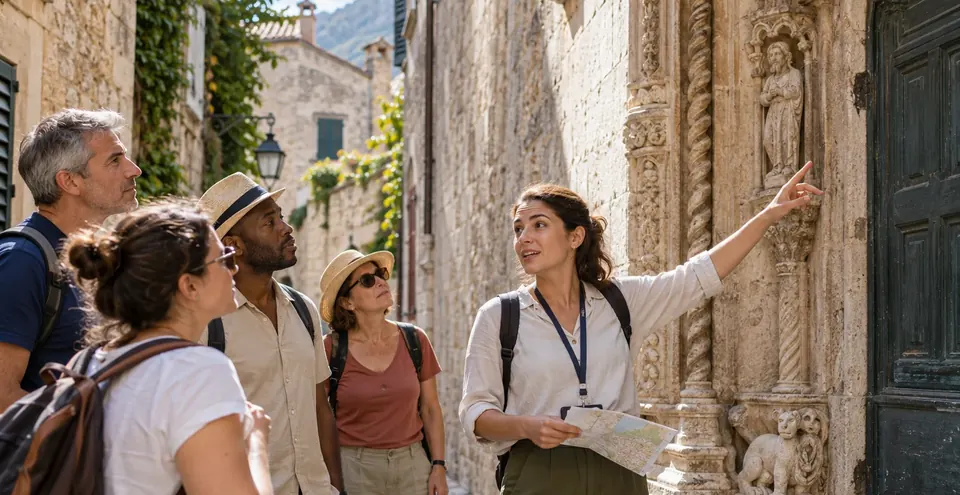
In the Marshall Islands, seasonal holiday activity leader jobs are few but varied, ranging from dive guides and boat captains to youth leaders, sports coaches and cultural guides. There are no resort animation teams or kids clubs of the kind found on busy tourist coasts. Activities centre on the lagoon, church and school programmes, and visits to historical sites. Roles demand qualifications, local knowledge and a strong safety culture, and every non-citizen needs official authorisation and a sponsoring employer before leading any paid activity.
What leading activities means here
Because the visitor flow is small, activity work is attached to specific operators and organisations rather than big resorts. Dive operators in Majuro take guests to reefs, wrecks and passes, fishing guides lead sport trips, and a few cultural hosts present traditional navigation, weaving and dance. Schools and churches run holiday programmes for children.
Leaders must be comfortable on boats, calm in emergencies and good at communicating with people of different languages. English is the working language, and basic Marshallese greatly improves relationships with local families and the crews.
Diving and the wrecks of the lagoons
The best known attraction is diving on shipwrecks and reefs in the lagoons, including the sunken warships of Bikini Atoll, reached through specialist organised trips. Operators need divemasters and instructors with international certification, oxygen and first aid training, and experience with currents. Such roles are typically filled by experienced professionals hired by the operator.
The sea is the main stage. A day with a dive operator might begin with checking tanks and radios, briefing guests on the route, and loading the boat before sunrise. After the dive the crew rinses equipment, fills tanks and logs the trip. Leaders who enjoy teaching and who accept long hours in the sun are the ones who last.
Tourism in Marshall Islands waters is closely linked to conservation. Reef protection, shark sanctuary rules and respect for protected sites are part of every briefing, and guides are expected to explain them clearly to guests. Training in marine ecology, even at a basic level, strengthens a candidate's profile and helps in dealing with authorities.
Youth and community programmes
Holiday periods bring children's activities organised by schools, churches and sports groups. Volleyball, basketball, outrigger canoe races, swimming and traditional games are common. Coaches and supervisors are usually local volunteers, though some programmes receive support from youth organisations and foreign partners.
Anyone working with minors must follow child protection rules, and employers will ask for references and a clean record. A foreigner volunteering with children should coordinate with the school or church leadership and with immigration officials. Hold first aid and lifesaving qualifications, and never be alone with a child away from the group.
| Activity | Setting | Skills and papers |
|---|---|---|
| Dive guide | Lagoon reefs and wrecks | Instructor certificate, first aid |
| Sport fishing guide | Boats near Majuro | Boat licence, safety training |
| Cultural guide | Villages, museums, events | Local knowledge, English |
| Youth sports coach | Schools and churches | References, first aid |
Summer-style camps are not a tradition, yet holiday periods still produce activity. Youth groups organise clean-up days on the beach, church choirs prepare concerts, and sports federations hold tournaments. Leaders for these events are often teachers on leave or older students. Foreign volunteers are sometimes welcomed to run English or sports sessions, always under the guidance of the host institution.
Sports leaders find a natural place in volleyball, basketball and canoe racing, and many carry out coaching on top of another job. Anyone who offers a skill, such as first aid training, swimming instruction, music or art, can contribute to community days. Offers are best made through the school principal, the church minister or the municipal council.
Marshall Islands families value respect for elders and cooperation among children, and leaders who model these values are accepted quickly. Clear, calm instructions, simple games, a sense of humour and a fair approach to turn-taking are more useful than complicated equipment or expensive materials.
Cultural activities and heritage
Marshallese culture is rich in canoe building, stick charts for navigation, mat weaving and chanting. Cultural centres and community events introduce these crafts to visitors, and guides who can explain them respectfully are valued. Understanding the history of the nuclear testing at Bikini and Enewetak, the wartime battles and the Compact is also essential for a guide.
Ethical conduct is vital. Photograph people only with consent, avoid sacred sites and respect church customs. A good guide shares knowledge from local people with credit and does not exploit it. Guides are often relatives of the host community, and paid roles for outsiders are very limited.
Storytelling is a central skill. Elders explain how navigators read swells and stars, how canoes are built and how mats record family histories. A leader who can translate these ideas for visitors, without turning them into a show, creates a respectful experience. Language skills, patience and humour matter more than theatrical talent.
Hospitality in Marshallese culture is a duty rather than a transaction. Visitors are invited to share food, to sit with families and to join dances, and a guide who understands this etiquette will manage the line between paid service and genuine welcome. Accepting gifts politely, returning favours and dressing modestly are essential parts of the job.
Safety, qualifications and permits
Boats, currents and heat make safety central. Employers require lifejackets, radios, first aid kits and a plan for emergencies, since medical facilities are far from the outer atolls. Diving leaders must keep logs, maintain equipment and brief guests carefully. Weather decisions must be conservative.
Permits are decisive. A non-citizen may only work after authorisation tied to the employer, and temporary work on a visitor stamp is not allowed. Candidates should ask about contract terms, insurance, accommodation and repatriation. Pay is set by the employer and tends to be modest; the minimum wage rules and employer scales should be confirmed locally.
- Hold current first aid and rescue certificates.
- Bring references and proof of experience.
- Check the operator's insurance and boat safety records.
Child safeguarding also deserves a clear policy. Organisers should know who is responsible for each child, how parents are informed, what happens in case of injury and how complaints are handled. A written code of conduct, signed by every adult leader, protects children and staff alike. Where there is no such document, a conscientious leader asks the host to prepare one.
Environmental conditions create special hazards. Sunburn and dehydration are frequent, jellyfish and sharks demand awareness, and sudden squalls can strand a small boat far from shelter. Leaders carry water, a signal mirror, a handheld radio and a charged phone in a waterproof case, and they brief everyone on what to do if the boat engine fails.
Insurance deserves attention. A leader working on boats or in the water should hold personal accident cover, and the operator should carry liability insurance for guests. Ask to see the policy documents before accepting a post, because medical evacuation from a remote atoll to a hospital abroad can cost a great deal and takes time to arrange.
Pay is set by the operator or the organisation and may be per trip, per day or by monthly salary. Tips from guests are possible but not guaranteed. Always ask for the terms in writing and confirm who pays for equipment and insurance.
Practical questions
Marshall Islands: are there resort entertainment teams?
No organised entertainment teams exist in the usual sense. Some hotels host cultural evenings or small performances, but staff are drawn from local residents and performers.
Can I work as a dive instructor?
Only if an operator sponsors the permit and recognises your certification. Contact operators in Majuro well in advance with your qualifications and logbook.
Is it suitable for young travellers?
Experience is welcome through volunteering with local approval, but paid positions are limited. Treat the islands as a place to learn rather than a seasonal job circuit.
Where to find these jobs
- Marshall Islands Visitors Authority — National tourism body that promotes diving, fishing and cultural experiences and works with local guides and operators.
- Bikini Atoll dive operators in Majuro — Licensed local companies organising specialist diving and sightseeing trips to the lagoons and wrecks.
- College of the Marshall Islands — Public college offering vocational courses and youth activities that train guides, coaches and community workers.
- Marshall Islands Chamber of Commerce — Business association for tourism and service employers based in Majuro and the larger centres.
Official and legal references
- International Labour Organization — United Nations agency setting international labour standards and offering guidance on contracts, safety and workers rights.
- Pacific Community — Regional organisation publishing information on culture, youth, tourism and labour mobility in Pacific island countries.