Marshall Islands: seasonal fruit vegetable picking jobs on atoll farms and village plots
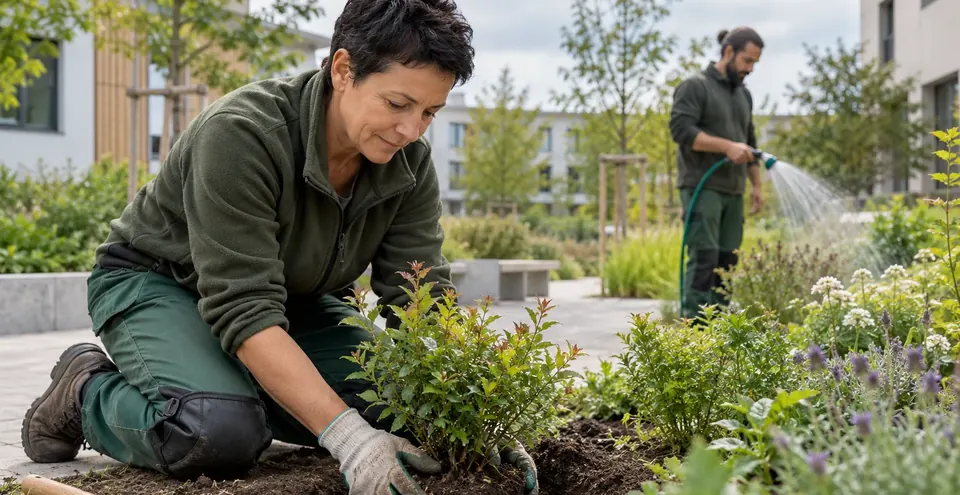
In the Marshall Islands, seasonal fruit vegetable picking jobs hardly exist as an organised sector, because coral atolls offer thin sandy soil, little land and no commercial orchards. What exists is smaller: breadfruit and coconut gathering, banana and papaya picking, family taro pits and small vegetable gardens, plus copra cutting. Harvesting is mostly household work shared among relatives, with occasional paid help. A foreigner cannot expect a harvest contract, and any paid farm task requires official authorisation and an employer on the islands.
Why farming is limited on the atolls
Marshall Islands soil is coral sand with little organic matter, and the highest ground is only a few metres above the sea. Salt spray, drought and occasional flooding from high tides damage crops. Fresh water sits in a thin lens under each islet, so large irrigated farms are impossible. These facts explain why the country imports most of its vegetables and fruit.
Agriculture therefore means tree crops and hardy plants. Coconut palms cover most islets, breadfruit trees stand beside houses, pandanus provides fruit and leaves for mats, and banana plants grow in prepared pits filled with compost. Taro is grown in excavated beds reaching toward the water lens, a labour-intensive technique passed down within families.
What really gets harvested
Breadfruit ripens mainly in the wetter months and is cooked, dried or preserved as a staple. Coconuts are collected all year, with husks and meat used for drinking, cooking and oil. Pandanus fruit is processed into a preserved paste, a traditional food that stores well on long sea voyages. Small gardens near Majuro produce cucumber, cabbage, tomato and chilli, sold at local markets.
Climate change adds another burden. Rising seas push salt into the freshwater lens, and long droughts have forced emergency water and food deliveries to the northern atolls. Marshall Islands communities have responded with raised garden beds, mulching, salt-tolerant varieties and rainwater collection, and these small projects, supported by regional agencies, are the closest thing to agricultural jobs on offer today.
Local markets in Majuro sell the produce that does exist, often brought by boat from nearby atolls or grown on small plots in Laura, on the western end of Majuro Atoll, where the soil is a little deeper. Laura is known as the most productive agricultural area in the country, and its gardens supply taro, banana, breadfruit and vegetables to the capital.
Copra, the closest thing to a cash harvest
The only widespread cash crop is copra, dried coconut flesh. Families cut open nuts, dry the meat and sell it to the state-supported copra processor, which buys through collection points on the outer atolls and turns it into oil. Prices are supported by government, and income from copra is vital for remote communities that have little other cash.
This is not seasonal employment in the usual sense, but it is the main paid agricultural activity. It requires strength, a machete and patience, and belongs to the owners of the land, since land in the republic is held by clan families under traditional tenure. Outsiders do not simply join a copra crew; they would need an invitation from the land holders.
| Product | Period | Work involved |
|---|---|---|
| Breadfruit | Mostly wetter months | Climbing, cutting, carrying, cooking |
| Coconut and copra | All year | Husking, splitting, drying, bagging |
| Pandanus | Seasonal fruiting | Gathering, scraping, preserving |
| Banana, papaya, taro | Throughout the year | Planting, weeding, harvesting |
A typical copra season is steady rather than sharp. Families work when weather permits, drying the meat in the sun or in simple dryers, then bag it for the collection ship. When the vessel arrives, buyers weigh the sacks, pay in cash and load them, which creates a brief burst of activity on the beach. The rest of the time households switch to fishing, cooking and repairs.
Because income depends on a single buyer and on shipping schedules, communities are vulnerable to delays. A late boat can mean empty shops and little cash. The government subsidy and the social role of the copra scheme are debated, yet the activity remains a vital link between the outer islands and the capital.
Land, law and pay for outsiders
Land is not for sale to foreigners, and access to any plot is decided by the family that holds it. Anyone wishing to do agricultural work must therefore be invited, and a paid job needs the same work authorisation as other employment. Local custom stresses respect for elders, for the family head known as the alap, and for the rules of the household.
Payment for casual help is usually small, informal and sometimes in food or goods. There are no established harvest camps, piece rates or housing arrangements for visitors. Anyone looking for a seasonal agricultural income should instead look to organised programmes abroad, for which Marshallese citizens may register through government channels.
Gardening projects run by schools, churches and community groups provide a gentler entry for anyone interested in agriculture. They teach composting, pit planting and the care of salt-tolerant varieties, and they usually rely on volunteers. A visitor who offers skills in horticulture or water management may be welcomed, but the work remains a contribution to a community effort rather than a paid job.
Working conditions to expect
Work is hot, humid and tiring. Climbing a breadfruit tree without equipment is dangerous, and falling coconuts injure people each year. Wear a hat, loose clothing, sturdy shoes and use a pole picker rather than climbing when possible. Drink plenty of clean water, because dehydration is common and rainwater storage is limited.
First aid is available at Majuro hospital, but outer atolls rely on small health centres and the arrival of boats. For that reason, working far from Majuro without a clear emergency plan is unwise. Keep a basic medical kit, insect repellent and a means of communication.
- Seek permission from the landholder before picking anything.
- Never take fruit from a yard or tree without asking its family.
- Share food and tasks as is customary in the household.
Fishing is a related activity often combined with farming. Many households alternate between the garden, the lagoon and the reef, depending on the tide and the season. Workers should know the basics of reef safety, such as avoiding coral cuts, stonefish and sudden currents, and should never go on the reef alone. A small cut can become a serious infection in the tropical heat.
Insects, sun and rain damage are constant companions of the gardener. Compost heaps attract flies, standing water breeds mosquitoes, and tools rust quickly in salt air. Keeping implements clean, oiled and stored under cover is part of daily routine in Marshall Islands villages, and a newcomer who respects this routine earns trust more readily than one who tries to introduce unfamiliar methods.
A wide hat, long cotton clothing, strong shoes, gloves, a water bottle, a small knife and sun protection are enough. Local hosts supply the tools, and they will prefer to teach their own methods rather than adopt imported ones.
Farming questions answered
Is there a harvest season that attracts foreign workers?
No. There is no migrant harvest season. Agriculture is small and family-based, and imported food dominates. Interested travellers can learn about gardening and traditional food but cannot count on paid fieldwork.
Marshall Islands: can I volunteer on a farm?
Occasionally small projects need hands, but an official authorisation is still wise even for unpaid work, and local hosts should be consulted. Ask the immigration office in Majuro what is allowed before travelling.
Where can Marshallese people find farm work abroad?
Through government-supported labour mobility arrangements in the Pacific and via relatives abroad. The Pacific Community and national offices publish information about participation and the conditions of recruitment.
Where to find these jobs
- Tobolar Copra Processing Authority — State-supported organisation that buys copra from atoll communities and processes coconut into oil and related products.
- Ministry of Resources and Development — Government ministry responsible for agriculture, fisheries and the development of local food production on the islands.
- College of the Marshall Islands — Public college with land grant and cooperative extension activities supporting local gardening and food production.
- Marshall Islands Marine Resources Authority — Official body managing fisheries and marine resources that provide income and food across the atolls.
Official and legal references
- Pacific Community — Regional organisation offering technical advice on agriculture, food security and labour mobility for Pacific island countries.
- Secretariat of the Pacific Regional Environment Programme — Regional environmental organisation publishing information on climate, coastal protection and land use in Pacific islands.