Pakistan: seasonal fruit and vegetable picking jobs in mango, citrus, apple and vegetable belts
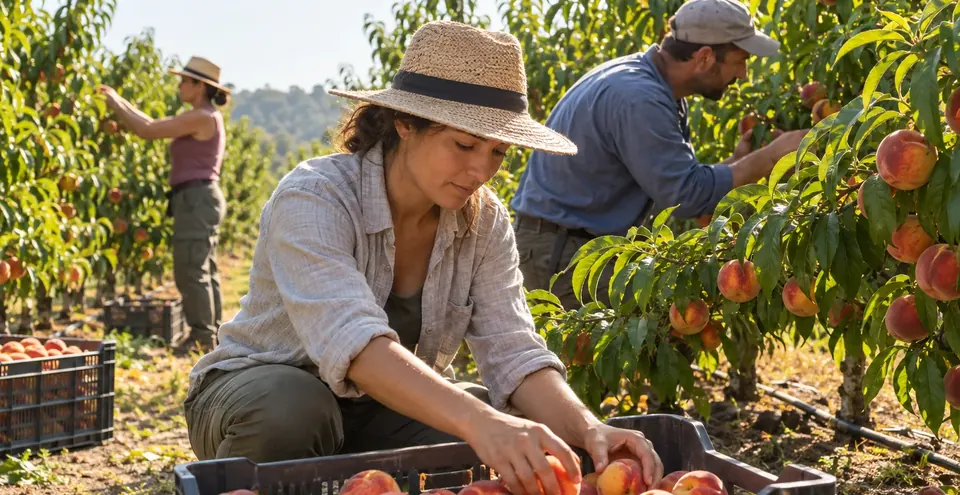
In Pakistan, seasonal fruit and vegetable picking jobs follow orchards and market gardens across the Indus plains and the northern and western valleys. Mangoes ripen in Sindh and southern Punjab in summer, kinnow oranges in winter near Sargodha, dates in Sindh and Balochistan in mid-year, and apples, apricots and grapes in highland valleys. Most pickers are local or migrant families paid by the day or by the crate, with arrangements made through contractors. Foreign nationals need work authorisation, and child and forced labour are prohibited by law.
Orchards and market gardens across the provinces
Punjab is the heartland of fruit growing. Around Multan, Muzaffargarh and Rahim Yar Khan, mango orchards produce varieties such as Chaunsa, Sindhri and Anwar Ratol, and Sargodha is known for kinnow, a mandarin-type citrus exported widely. Guava, pomegranate and vegetables grow around Lahore, Sheikhupura and Kasur. Vegetable farms near cities supply tomatoes, cauliflower, spinach, peas, okra and onions to wholesale markets.
Sindh adds mangoes from Mirpurkhas, Hyderabad and Tando Allahyar, bananas around Thatta and Hyderabad, dates from Khairpur and Sukkur, and chillies, onions and tomatoes from Tando Allahyar and Badin. Dates are also a major crop in Balochistan, in Panjgur, Kech and Turbat, where harvest takes place in the hottest months, and the cooler uplands of Quetta, Ziarat, Kalat and Zhob grow apples, grapes, cherries and pomegranates.
Khyber Pakhtunkhwa and Gilgit-Baltistan have smaller but distinctive orchards. Swat is known for peaches, plums and apples, Peshawar valley for citrus and persimmon, and Hunza and Skardu for apricots, cherries and walnuts. In these high valleys, harvests take place in summer and early autumn, and fruit is dried on rooftops. Local families do much of the picking and processing, with outside workers hired mainly in busy weeks.
Climate and water explain where each crop grows. The Indus and its canals irrigate the plains, giving farmers reliable water for citrus and vegetables, while dry Balochistan relies on karez systems, tube wells and mountain streams. Monsoon floods in some years damage orchards and roads, cutting harvest hours and employment. Workers should understand that income varies from one year to the next, and keep savings or other options in case a crop fails.
Harvest calendar and tasks
Mango picking runs from about June to August, depending on variety and location. Workers climb ladders or use long poles with baskets, taking care not to bruise the fruit or let sap burn the skin. Fruit is sorted by size and ripeness, packed in wooden or plastic crates and sent to markets or export packing houses. Heat is intense, so work usually starts at dawn and ends before midday.
Kinnow is picked from December to February, using clippers and ladders, and the fruit is graded and waxed in packing stations. Apples in Balochistan are harvested from late summer to autumn, apricots in Hunza in June and July, and dates in the middle of the year, when workers climb palms or use platforms. Vegetables such as tomatoes, okra and chillies are picked repeatedly over weeks, often by teams that include women.
Post-harvest work offers additional jobs. Packing sheds employ people to wash, sort, grade, pack and load fruit, and vegetable markets in Karachi, Lahore and Rawalpindi need porters and weighers. Drying and processing of apricots, dates and chillies is done by families and small factories. Because fruit is perishable, work often continues late into the night during peak weeks.
Export standards create their own jobs. Mango and kinnow packing houses must meet buyer requirements on size, colour, cleanliness and treatment, and supervisors train workers to grade fruit and complete records. Women are frequently employed in sorting lines, and some packing houses offer weekly pay and transport. These facilities may be more regulated than open-field work, but short contracts and strict quality checks are common.
| Crop | Main areas | Typical picking period |
|---|---|---|
| Mango | Multan, Mirpurkhas, Hyderabad | June to August |
| Kinnow and other citrus | Sargodha, Khushab, Peshawar valley | December to February |
| Dates | Khairpur, Panjgur, Turbat | Mid-year, hottest months |
| Apples, grapes, cherries | Quetta, Ziarat, Swat, Hunza | Summer to autumn |
| Vegetables | Around Lahore, Karachi, Tando Allahyar | Repeated picks across the year |
Pay, contractors and living conditions
Pickers are paid by the day or by the quantity, such as per crate, basket or kilogram. Contractors, often called thekedars, manage teams and negotiate rates with orchard owners, taking a share for themselves. Rates change with crop and region, so workers should ask directly what they will earn, how it is recorded and when it will be paid. Verbal agreements are common, which makes personal records important.
Work is physically demanding. Heat in Sindh, Punjab and Balochistan can be extreme, so rest and water are vital, and climbing trees or ladders can cause falls. In mountain orchards, cold mornings and steep terrain are difficulties. Workers should wear hats, light clothing and sturdy shoes, carry water and avoid working in the hottest hours. Employers should provide shade and clean drinking water.
Housing may be basic. Local workers return home, while migrants stay in orchards, worker huts or rented rooms. Ask about food, cooking arrangements, drinking water, latrines and security, and who pays for transport home. Avoid arrangements where an advance is given and wages are withheld until a debt is paid, since this can become bonded labour, which is illegal under the Bonded Labour System (Abolition) Act.
Health care is limited in many rural areas. Dehydration, fever and stomach illness are frequent in the hot months, and clinics may be far away. Carry oral rehydration salts, use boiled or filtered water and eat food prepared hygienically. If a worker becomes ill, the employer should help with transport and not penalise absence, and families should know where the nearest hospital is.
Law, safety and rights
Labour laws in Pakistan are partly provincial. Provincial labour departments handle minimum wages and inspections, but agricultural workers often fall outside strict enforcement. Child labour is restricted, and children should not climb trees, handle sharp tools or work with chemicals. Women workers deserve equal protection against harassment and unequal pay, and should be able to complain without retaliation.
Pesticides are widely used on fruit and vegetables. Pickers should ask when fields were last sprayed, avoid entering treated rows too soon and wash hands and face before eating. Protective gear is rarely supplied, so a simple scarf, gloves and long sleeves help. Heat illness, snake bites and insect stings are other risks. Workers should know the closest clinic and carry basic first-aid items.
Foreign nationals cannot take agricultural jobs on a visitor visa, and seasonal farm labour is normally reserved for Pakistanis. Anyone considering work in remote regions should check security conditions, obtain local advice and tell family where they are going. If wages are withheld or conditions are unsafe, seek help from the provincial labour department, local authorities or an established non-governmental organisation.
Mobile phones help workers stay in touch, check market prices and keep records. Many pickers now use messaging applications to coordinate with contractors, and some farms pay through mobile wallets. Keep your phone charged, store important numbers on paper, and be careful about sharing personal data or paying fees to unknown agents who promise better farms.
Practical questions about fruit and vegetable work
How are pickers recruited?
Mostly through contractors, relatives and village contacts. Orchard owners tell a thekedar how many workers they need, and he gathers a team. Some farms hire directly at the gate, particularly in the busiest weeks. Ask neighbours for trusted names and avoid anyone demanding upfront fees.
What is the best season for fruit picking?
Summer is busiest for mango, dates and apricots, winter for citrus, and autumn for apples, cotton and rice. Vegetable picking continues through the year in different areas. Choose a crop and region that suits your health and climate tolerance.
How can I protect myself from exploitation?
Agree wages and tasks before starting, keep a record of days worked, avoid taking large advances and stay in contact with family. If you feel trapped by debt or threats, contact the labour department, local police or a recognised organisation that helps workers.
Where to find these jobs
- Pakistan Agricultural Research Council — National research body supporting crop and horticulture research, extension and training for fruit and vegetable growers.
- Pakistan Horticulture Development and Export Company — Federal company that supports fruit and vegetable exports, including packing standards and market development for growers.
- Punjab Agriculture Department — Provincial department providing extension services, advice and programmes to growers of citrus, mango and vegetables in Punjab.
- Sindh Agriculture Department — Provincial department supporting growers of mangoes, bananas, dates and vegetables with extension services and information.
Official and legal references
- Government of Pakistan — Official government portal linking ministries and departments for agriculture, labour and food security, in English.
- Food and Agriculture Organization of the United Nations — United Nations agency publishing English information on crops, rural employment and agricultural development in Pakistan and worldwide.