Pakistan: seasonal holiday resort activity leader jobs in trekking, snow sports and heritage tourism
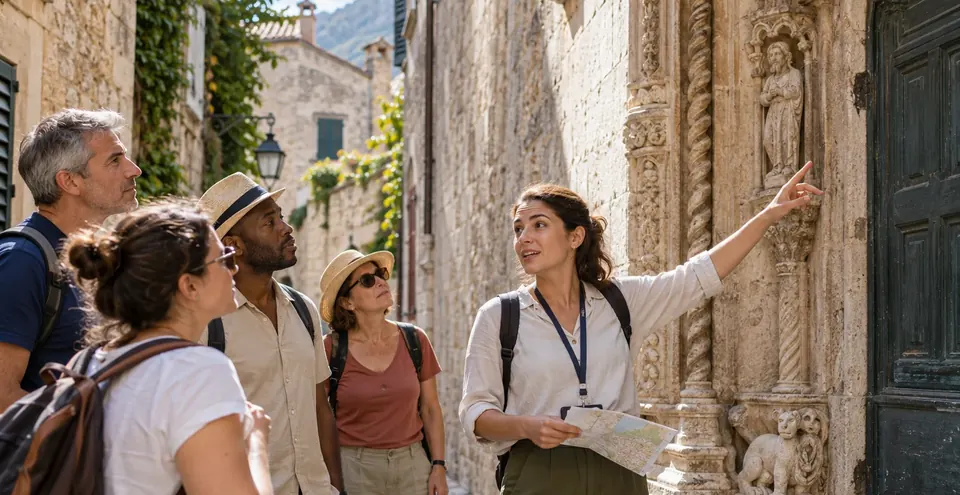
In Pakistan, seasonal holiday resort activity leader jobs centre on guiding and hosting rather than staged club entertainment, with trekking leaders in the Karakoram, jeep and camp hosts in Hunza and Skardu, ski helpers at Malam Jabba, desert safari guides in Cholistan and beach and heritage guides in Karachi and Lahore. The busiest period is May to September in the north and the cooler months in the south. Employers want first-aid skills, language ability and mountain or water safety training, and foreigners need authorisation before working.
What leisure work exists in Pakistan
Pakistan's visitors are mostly domestic, and they come for scenery, family picnics and religious or heritage sites. Leisure work therefore means guiding, driving, hosting camps and organising local entertainment rather than running clubs. Hotels in Hunza, Skardu, Swat and Naran arrange jeep rides, bonfires, folk music evenings and short hikes, and often rely on staff who know the area and can speak local languages.
Adventure tourism adds a specialist layer. Expeditions to K2, Broad Peak and Nanga Parbat, treks to Concordia, Fairy Meadows, Rakaposhi base camp and the Deosai plains, and climbing and rafting trips are run by registered tour operators. These companies employ guides, trek leaders, cooks, camp helpers and porters, often through local associations. The Alpine Club of Pakistan and regional tourism departments set rules and issue permits for many peaks.
In the south and centre, activities differ. Karachi's beaches, including Clifton, Hawke's Bay and Sandspit, offer camel and horse rides, boat trips and picnic services, while Lahore's Walled City, Badshahi Mosque, Lahore Fort and Shalimar Gardens are visited with local guides. The Cholistan Desert near Bahawalpur hosts a jeep rally in the cooler months, and Thar in Sindh draws visitors for desert culture and festivals.
Local communities are central. Many trekking villages, such as Askole, Hushe and Karimabad, depend on guiding and porter work, and community-run guesthouses welcome visitors with home cooking and storytelling. A leader who respects village rules, buys local products and shares income fairly builds goodwill that makes future seasons easier. Poorly organised groups that ignore customs or leave waste can damage this trust and hurt everyone.
Roles and the working season
Trek leaders plan routes, manage porters, monitor altitude sickness and make decisions about weather. Assistant guides carry out camp setup, explain landscapes and local culture, and support clients on steep sections. Cooks prepare meals at high camps, and camp managers handle logistics. Porters, who carry loads and often work in dangerous conditions, are central to the system, and fair wages and insurance are essential for their wellbeing.
In resorts, hosts organise evening events, treasure hunts for children, cultural nights with local music, bonfire dinners and excursions to waterfalls or glaciers. Winter ski helpers at Malam Jabba assist with rentals, lifts, safety and instruction when snow is sufficient. Beach and park staff manage rides, supervise swimming areas and keep families safe in crowded holiday periods such as Eid.
Seasons structure the work. The trekking and climbing season in the Karakoram runs from about May to September, with the peak in July and August. Resorts in the foothills are busiest in the summer holiday and on Eid. Southern and desert activities favour the cooler months from October to March. Because contracts are short, many leaders combine northern summer work with winter jobs in cities, desert camps or training programmes.
| Activity | Typical area | Skills usually requested |
|---|---|---|
| Trekking and climbing support | Karakoram, Hunza, Skardu, Fairy Meadows | Mountain experience, first aid, altitude knowledge |
| Jeep tours and camp hosting | Deosai, Naran, Swat, Hunza | Driving skill, local knowledge, hospitality |
| Ski and snow helpers | Malam Jabba, Murree | Winter sports basics, equipment handling |
| Desert safari guiding | Cholistan, Thar | Navigation, culture, stamina, languages |
| Heritage and city guiding | Lahore, Islamabad, Karachi | History, English, storytelling |
Qualifications, languages and character
Qualifications vary by activity. Mountain guides benefit from courses with the Alpine Club of Pakistan or recognised international training, and many learn through years as porters and assistants. First-aid certification, which bodies such as the Pakistan Red Crescent Society offer, is highly valued. Drivers need a licence and experience on mountain roads, and heritage guides gain knowledge through study and experience, sometimes with tourism departments.
Urdu and English are essential, with English especially important for foreign trekkers. Local languages such as Shina, Balti, Burushaski, Wakhi, Pashto, Khowar and Punjabi help communities connect with guests. Some guides learn German, French, Japanese, Korean or Chinese to serve the markets they work with. Good storytelling, patience and a sense of humour make a leader memorable to guests.
Training on the job remains the main route. Newcomers often start as kitchen helpers or porters, learn routes and safety rules from experienced leaders and gradually take on more responsibility. Short workshops on first aid, navigation, leave-no-trace principles and customer care are offered by associations and non-governmental organisations. Keeping a logbook of trips, with dates and contacts, helps document experience when applying to better employers.
Personal qualities include endurance, honesty and respect for local customs. Leaders should dress modestly, observe prayer times, avoid sensitive topics and understand gender norms, especially when guiding mixed groups. Women guides are growing in number but may face challenges, so employers who offer supportive teams and safe accommodation attract capable candidates. Reliability in weather and logistics decisions is vital for safety.
Glaciers and alpine meadows are fragile, waste disposal is difficult at altitude and firewood is scarce. Responsible leaders carry stoves, remove rubbish and avoid contaminating water sources. Visitors increasingly choose operators who show this commitment, which means leaders with conservation knowledge can stand out in a competitive market and may be chosen for the best contracts.
Safety, children and legal points
Mountain environments are dangerous. Altitude sickness, avalanches, glacier crevasses and sudden storms demand training and equipment, and operators must carry communication devices, first-aid kits and rescue plans. Leaders should never push clients beyond their ability, and should respect decisions to turn back. Insurance for guides and porters is often inadequate, so ask whether your employer provides it.
Working with children requires care. Leaders should keep groups in sight, use life jackets near water and avoid unsupervised contact. Child labour laws, including the Employment of Children Act, prohibit hazardous work for minors, and guides should not hire children as porters. Parents expect honesty about risks, and hotels should have clear policies on supervision and photography.
Foreign nationals must hold an appropriate visa and work authorisation, and employers usually need to demonstrate that the skills are needed. Trekking permits and some area restrictions apply to foreign visitors, and operators must be registered. Pakistani applicants should check licensing and follow the rules of the provincial tourism departments. Avoid anyone asking for fees to guarantee a guiding job.
Weather and security conditions also affect leader work. Authorities may restrict travel to some areas, and operators must follow instructions on routes and registration. Leaders should check advisories, share itineraries with the office and carry copies of permits and identity documents. Flexibility is essential, since landslides, strikes or storms can force changes in plans, and calm communication with guests keeps trust high.
How to apply and common questions
Where can I find guide and leader jobs?
Contact registered tour operators in Islamabad, Gilgit, Skardu and Chitral, visit hotels in the northern valleys and ask experienced guides for introductions. Many positions are filled through personal recommendations. Apply from February to April for the summer season, and keep certificates and references ready.
Pakistan: do I need formal training to guide?
For high mountain work, yes, or at least solid experience as an assistant. For hotel and sightseeing roles, local knowledge and communication skills may suffice, although first-aid training is expected. Tourism departments and associations sometimes offer short courses and licensing for guides.
Is the work safe for women?
It can be, if employers provide secure accommodation, respectful teams and clear boundaries. Women guides and hosts work in some regions, especially in hospitality and cultural programmes. Ask about arrangements in advance, speak to women who already work for the company and trust your judgement.
Where to find these jobs
- Alpine Club of Pakistan — National mountaineering body that supports climbing, trekking standards, permits and training for guides in the Karakoram and Himalaya.
- Pakistan Tourism Development Corporation — State tourism body that promotes destinations and runs facilities such as motels and winter sports support in northern areas.
- Pakistan Red Crescent Society — National humanitarian society offering first-aid training that leaders and guides need for remote and water activities.
- Karakoram Area Development Organisation — Non-profit supporting mountain communities in Gilgit-Baltistan, including training and fair employment for guides and porters.
Official and legal references
- International Labour Organization — United Nations agency publishing English information on labour standards, child labour and decent work, including in Pakistan.