Moldova: seasonal hotel and restaurant employment opportunities in Chișinău, wine cellars and villages
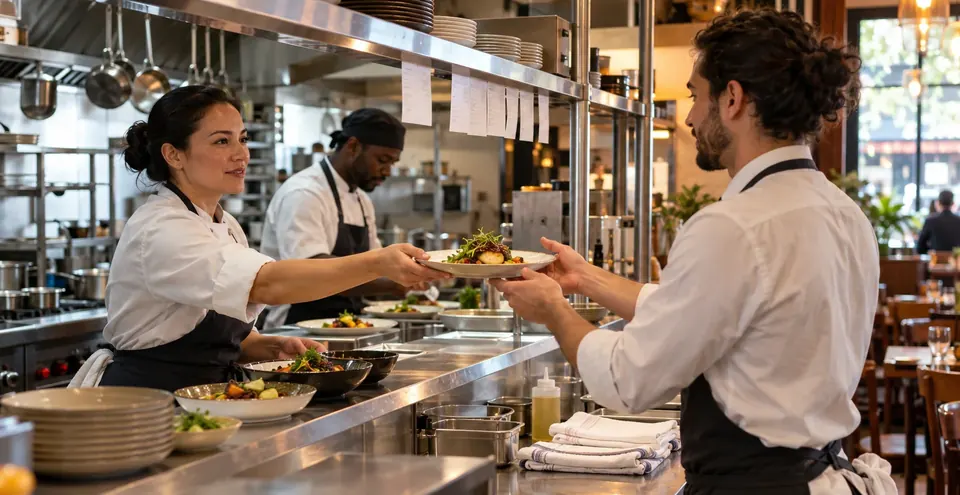
Moldova has a growing hospitality trade, and seasonal hotel and restaurant jobs are concentrated in the capital Chișinău and in the wine cellars and villages that welcome visitors. Hotels, restaurants offering Moldovan and international dishes, cafes and event halls take on waiters, cooks, receptionists and cleaners during busy periods such as summer, harvest tastings and wedding season. These contracts suit applicants with service experience and some knowledge of Romanian, Russian or English. Hiring routes, expected pay and accommodation vary by employer, so jobseekers should compare offers before accepting.
Hotel and restaurant jobs in Moldova: where hospitality jobs are
The capital dominates the market. Chișinău has international and local hotels, a large number of restaurants serving Moldovan and international cuisine, cafes along Ștefan cel Mare Boulevard and event halls used for weddings and corporate meetings. Many positions are year-round, but demand rises in autumn and around holidays. A few hotels belong to international chains, while many are independent businesses run by local families.
Wine tourism creates another cluster. Cricova and Mileștii Mici receive visitors in vehicles that tour their underground galleries, and estates such as Purcari, Castel Mimi and Chateau Vartely have restaurants, tasting rooms and guest rooms. These places employ guides, sommeliers, cooks and service staff, with higher demand between May and October and a peak around the early October wine festival.
Rural tourism spreads employment into villages. Guest houses near Orheiul Vechi, in Trebujeni and in the Codru hills offer meals of mămăligă, sarmale and plăcinte, and farm stays for travellers who want to see traditional life. These businesses are small, with a family core and a few hired helpers who cook, clean and serve at weekends and during groups visits.
Weddings and banquets deserve a separate mention, because they shape the seasonal rhythm of Moldovan restaurants. A large wedding can host hundreds of guests, with traditional music, dancing and a long menu of cold dishes, grilled meats and desserts, and the event often continues past midnight. Venues need many waiters, bartenders, cooks and cleaners for such days, and extra staff are often recruited just for the weekend, sometimes through personal recommendations.
Jobs and skills
Waiters and waitresses must know menus, wines and dishes, and be ready to serve large tables at weddings and banquets, which can last late into the night. Cooks prepare traditional dishes such as zeamă soup, sarmale stuffed cabbage, tochitură and a range of baked goods, together with international options in hotels. Dishwashers and kitchen helpers handle the heavy loads that keep service running.
Receptionists and booking staff need good communication, computer skills and languages. Romanian and Russian are the base, and English is expected in hotels that receive foreign business travellers and tourists. Housekeepers clean rooms, prepare breakfast rooms and handle laundry. Sommeliers and tasting hosts, a growing niche in the wine sector, need knowledge of grape varieties such as Fetească Neagră, Rară Neagră and Feteasca Albă.
| Position | Main duties | Useful languages |
|---|---|---|
| Waiter | Service, banquets, wine and food explanation | Romanian, Russian, English |
| Cook | Traditional and international dishes | Romanian |
| Tasting host | Cellar tours and wine tastings | English, Romanian, Russian |
| Receptionist | Bookings, guests, payments | English, Russian, Romanian |
| Housekeeper | Rooms, laundry, breakfast area | Romanian or Russian |
Service culture combines warm hospitality with a certain formality. Guests expect to be welcomed with bread, salt or a small snack at traditional establishments, and hosts like to see tables filled with food. Waiters who can describe regional dishes and recommend local wines gain respect. In international hotels the standards follow global practice, with written procedures, uniforms and training sessions led by managers or visiting trainers from abroad.
Pay, accommodation and conditions
Wages in Moldova are lower than in neighbouring European countries, and the legal minimum is set by the government and updated periodically. Check the current figure with the Ministry of Labour and Social Protection. Many employers add tips, meals and sometimes transport. Ask what is included, how often you are paid and whether the base wage is paid through a registered bank account.
Housing is easier in Moldova than in many resort destinations. Rents in Chișinău are moderate compared with Western capitals, and some hotels or wine estates offer staff rooms or arrange shared apartments. In rural areas, guest house owners may accommodate staff in the family home. Visit the room if possible and settle the costs in writing before you accept the job.
Working hours can be long during weddings, harvest festivals and holiday weeks. The Labour Code sets limits for working time, rest periods and overtime, and the State Labour Inspectorate handles complaints. If you are asked to work unpaid or without a contract, remember that such arrangements remove your protection. Keep a note of your hours and talk to the manager promptly about any dispute.
Professional training is available in Chișinău and other towns. Vocational schools and colleges teach cookery, service and tourism, and some hotels run internal courses for new staff. Wine knowledge courses, offered by producers and associations, help candidates to qualify as tasting hosts. For foreign workers, a diploma from their own country can support an application, though employers may ask for a translation and a short practical test.
Hiring routes and timing for seasonal hospitality work
Larger hotels and wine estates recruit through their websites, professional networks and the national employment agency, while small restaurants and guest houses prefer direct contact. A short curriculum vitae in Romanian or English with a photograph, references and your languages is enough. Visit in person if you are in the country, since many owners hire after a short conversation and trial shift.
Timing follows the calendar. Wine estates prepare for visitors in spring and again before the harvest festival, wedding venues recruit for summer and autumn, and city hotels hire before the festive season in December. Applying in March and April for the main season and in September for the autumn peak is a sound plan. Keep contact details ready and answer messages quickly.
Foreign applicants must clarify legal status. Employers can start the work authorisation process with the migration authorities, but they need time and documents such as a passport, qualifications and a medical certificate. Do not begin work on a tourist entry. If an employer says no authorisation is necessary, ask for the reference to the law, or look for a different employer.
Career movement is possible within the country. A seasonal waiter in a wine estate may become a supervisor, a cook who proves reliable might be offered a year-round post in Chișinău, and a receptionist with strong languages can move to a larger hotel. Many Moldovan hospitality workers also spend a season abroad, and employers value those who return with international experience and new ideas for service or cuisine.
Before accepting an offer, compare at least two employers on concrete points: the length of the shift, the number of free days, the cost of the room, whether meals are served and whether the contract names the exact workplace. In Moldova, a verbal promise from a manager is often sincere, but staff change and memories differ, so a short written paragraph on each point protects both sides. Keep a copy on your phone and a paper version in your bag.
Questions from hospitality jobseekers
Is Russian or Romanian more useful?
Both are helpful. Romanian is the official language and is used in contracts, while Russian is widely spoken in Chișinău and among older guests. English is valued in hotels and wine tourism.
Can I find work in a wine estate without experience?
Yes for entry roles such as service assistant or cellar helper. Sommelier and guide positions require knowledge of wine and languages, but estates sometimes train motivated newcomers.
Are weddings an important source of work?
Yes. Weddings are large events in Moldova, often held in autumn, and many restaurants and halls hire extra staff for weekends. Ask about shifts and payment for late nights.
Where to find these jobs
- Chamber of Commerce and Industry of Moldova — The business organisation that represents companies in hospitality and provides contacts and information on regulations for employers.
- State Labour Inspectorate of Moldova — The authority that checks compliance with labour law, working hours and payment of wages and receives complaints from employees.
- Cricova winery — A major wine producer near Chișinău with underground cellars, tasting rooms and restaurants that employ guides and service staff during the tourist season.
Official and legal references
- Moldova official tourism portal — The national tourism website in English with information on wine routes, hotels, rural guest houses and events through the year.
- Government of the Republic of Moldova — The official portal in English that provides access to ministries, laws and information on employment rules and public services.