Nicaragua: summer and winter seasonal work opportunities across verano, invierno and the festive calendar
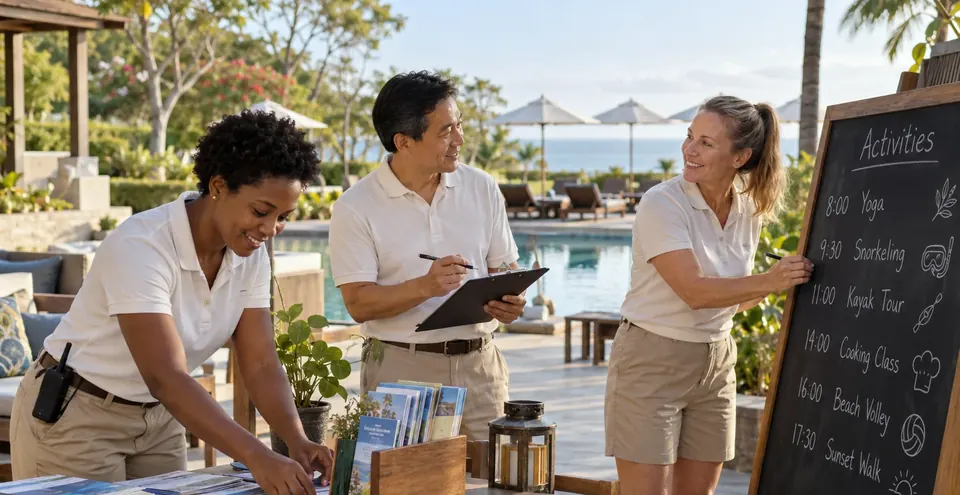
In Nicaragua, summer and winter seasonal work opportunities refer to the dry verano, which runs roughly from November through April, and to the rainy invierno that fills May to October, rather than hot and cold. In the dry spell, coffee, sugar cane, peanuts, building and busy beaches provide work, while the rains favour planting, repairs and the green season in tourism. Holy Week, La Purisima and Santo Domingo festivities create short bursts of extra work. The Caribbean side follows a wetter pattern and storm risk, so planning must match the region.
This page in other languages : Español
Meaning of the two seasons
In daily speech, verano means sun, dust and open roads, while invierno means afternoon downpours and green hills. Temperatures in Managua and the Pacific plain stay warm all year, and high towns such as Jinotega and Matagalpa feel noticeably cooler. Because there is no snow, the contrast lies in rain, harvest and travel, rather than in clothing or heating.
A short break in the rains, the canicula, can interrupt planting in mid-year, and farmers watch it closely. The Caribbean side, including Bluefields, the Corn Islands and the Miskito coast, has more rain through the year and a stronger storm risk between June and November. Workers there should plan for delays in boats and flights.
Public holidays punctuate the calendar. Holy Week sends families to beaches, lakes and rivers, and the July anniversary and mid-September patriotic festivities close schools and offices. In Managua, the Santo Domingo festival in early August brings processions, and the Caribbean coast celebrates Palo de Mayo in May with music and dance. Each of these events generates short-term jobs.
Education and family life follow the same pattern. Schools take a long break at the end of the year, and families travel to see relatives, which fills buses and ferries. Students sometimes take short jobs in shops or on farms during the break. Employers hiring young people must respect the legal minimum age and avoid dangerous tasks, even when work is only for a few weeks.
Anyone arriving in Nicaragua for the first time should also allow a few days to adjust to the heat and the altitude changes between Managua and the northern hills, since fatigue lowers concentration during a first shift in the fields or the kitchen.
Jobs in the dry season
The coffee harvest draws families to the northern mountains of Matagalpa, Jinotega and Madriz, plus Nueva Segovia on the Honduran border, where pickers, drying-patio workers and mill staff are recruited. Sugar mills near Chichigalpa operate their zafra, with cane cutters, drivers and technicians. Peanut and sesame harvests keep Chinandega busy, and tobacco leaf work in Esteli feeds the cigar factories through the dry months.
Tourism peaks from December to April. Hotels in Leon, Granada, Ometepe and San Juan del Sur recruit cooks, servers and cleaners, while surf schools, tour agencies and boat operators hire guides. Building work also runs faster because rain no longer interrupts roofing and concreting. Many people take a dry-season job in one region and return home when the rains begin.
Fairs and sports events enliven towns. Vendors sell fried snacks, drinks and crafts, and local bands, stage crews and cooks gain steady work. Such jobs are casual and cash-based, so workers should agree on a price before starting and avoid carrying large sums when travelling home late at night.
Roads and building sites are busiest when the soil is dry. Municipal projects, private houses and hotel extensions need masons, helpers, electricians and plumbers, and small contractors recruit at the start of the dry months. Quality tools, boots and helmets should be supplied or at least agreed upon, because falls from roofs and cuts from tools are common accidents.
Transport and logistics enjoy a surge as harvests move to mills, ports and markets. Drivers, loaders and mechanics are in demand, and the port of Corinto handles export goods from the Pacific side. Long trips require rest and fair pay for extra hours, and employers should provide insurance for vehicles and cargo.
Jobs in the rainy season
- Planting maize, beans, rice and vegetables on family farms and larger estates
- Repairing roofs, roads and boats after the heaviest downpours
- Training and maintenance in hotels, lodges and surf camps during the green season
- Free-zone and factory work, which continues all year in the Managua area
The rainy months are not empty of work, but they reward patience. Farm labour shifts to preparing land and sowing, and rural families depend on savings from the harvest. Tourism owners offer discounts, and visitors who like green landscapes arrive for volcano hikes, birdwatching and quieter beaches. Staff with versatile skills remain useful all year.
Tourism owners in the green season look after maintenance. They paint rooms, mend roofs, service boats and train new staff, so employees with practical skills are valued. Lodges on Ometepe and near Granada also use the quiet months to improve gardens, plant fruit trees and prepare activities for the next dry season, hiring helpers for a few weeks at a time.
Whale and turtle seasons add specialised work. Olive ridley turtles come ashore to nest in large groups at refuges such as La Flor and Chacocente between roughly July and December, and rangers, local guides and volunteers help protect nests and guide visitors at night. The communities near these beaches share income from the activity, so outsiders should work through community committees and respect strict rules about lights and distance.
Month-by-month guide
| Season | Months | Typical jobs |
|---|---|---|
| Dry verano | November to April | Coffee, cane, peanuts, tourism, building |
| Holy Week | March or April | Transport, beach and lake hospitality |
| Green invierno | May to October | Planting, repairs, training |
| Santo Domingo | Early August | Managua festival work, stalls, music |
Anyone moving between seasons should save money from the busy months, keep documents safe and maintain contacts with former employers. A positive reference can lead to an invitation to return the next dry season. For foreigners, any employment still requires residence and an authorisation, regardless of the time of year.
Health and safety change with the weather. Heat and dust cause fatigue in the dry months, while rain brings mosquitoes, dengue risk and slippery tracks. Drink clean water, use repellent, wear suitable shoes and see a doctor early if fever or severe pain appears. Employers should provide shade, water and a way to reach help in an emergency.
Parents and carers should consider schooling when planning seasonal moves. Taking children to remote farms may interrupt classes, so some families leave them with relatives. Programmes for rural education and community groups can help, and employers who allow time for school events or vaccination days show respect for workers. A stable family arrangement makes the long season easier to bear.
Community life follows the seasons as well. Farming families hold thanksgiving celebrations after good harvests, and towns prepare for patron saint festivals with processions, fireworks and food stalls. Visitors who take part should behave respectfully and accept that many events are family occasions first. Small helping jobs at these events are usually arranged among neighbours rather than through advertisements.
A week-by-week plan can help a first-time seasonal worker. In October, collect documents, references and a small savings reserve. In November, travel to the harvest region, visit several farms or hotels and accept a short trial. In December and January, work the longest shifts and send money home. In March and April, look for the next engagement before the rains, so that income does not stop abruptly with the last pay slip.
Practical questions on seasons
Does Nicaragua have a winter?
Not in the sense of cold weather. Winter, or invierno, means the rainy months from May to October. Temperatures remain warm on the Pacific plain, and only the northern highlands feel cool at night. Pack light waterproof clothing, sturdy shoes and layers for evenings in the mountains.
Nicaragua: when is the hurricane season?
The Atlantic season spans June to November, and the Caribbean coast and islands face the greatest risk. Not every year is dangerous, but warnings must be followed. Employers on the coast should have plans for shelter and evacuation, and workers should know where to go and keep documents in waterproof bags.
What is the best season for a first job?
The dry months offer the largest choice, because harvests and tourism overlap. Start looking in October or November, contact employers early and prepare references. If you arrive during the rains, look for planting, repair or training work and keep in touch with owners for the next high season.
Where to find these jobs
- Ministerio del Trabajo (MITRAB) — National labour ministry that regulates temporary and seasonal contracts, publishes pay scales and inspects workplaces in each department.
- Instituto Nicaraguense de Turismo (INTUR) — Government tourism body that publishes events, festival dates and information on high and low seasons for visitors and workers.
- Instituto Nicaraguense de Estudios Territoriales (INETER) — Public agency responsible for weather, seismic and volcanic monitoring that issues forecasts and rainfall information for the whole country.
- Sistema Nacional para la Prevencion, Mitigacion y Atencion de Desastres (SINAPRED) — National disaster agency that coordinates alerts, shelters and civil protection during storms and floods.
Official and legal references
- World Bank — International institution that publishes climate and economic overviews of Nicaragua, including rainfall patterns, storm risks and agricultural seasons.
- International Labour Organization — United Nations agency with guidance on temporary employment, heat stress and safe work during extreme weather.