Nicaragua: seasonal fruit and vegetable picking jobs in highland gardens, banana farms and the Pacific plain
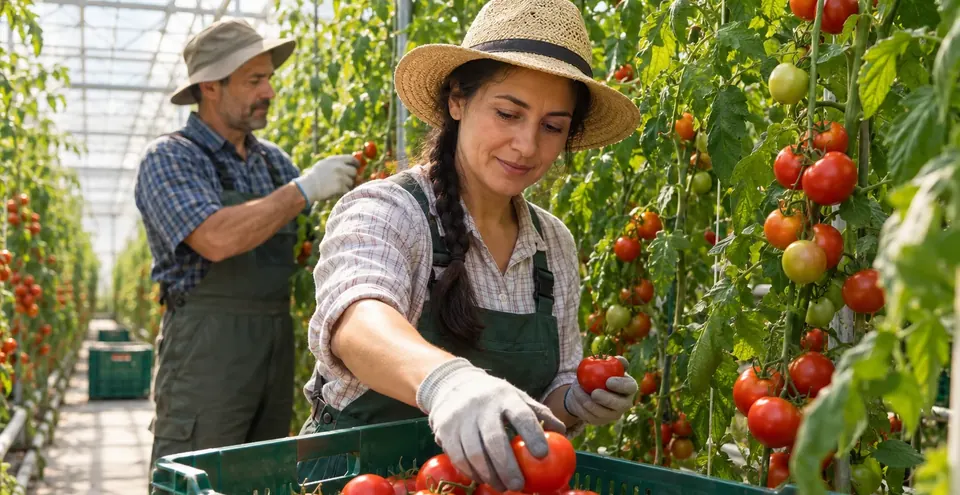
Nicaragua is an agricultural country, and seasonal fruit and vegetable picking takes place in highland gardens, banana farms and the Pacific plain. In the northern highlands, the cool climate near Jinotega, Matagalpa and Esteli supports tomatoes, cabbage, carrots, onions, sweet peppers and potatoes. Greenhouse production is expanding, and women play a large part in harvest teams. Tasks, lodging, transport and legal conditions differ by region and farm, so workers should check each before agreeing to a placement. Seasonal workers often combine several farms during the year to keep earning.
Fruit and vegetable picking in Nicaragua: crops by region
In the northern highlands, the cool climate near Jinotega, Matagalpa and Esteli supports tomatoes, cabbage, carrots, onions, sweet peppers and potatoes, along with beans and maize for local food. Greenhouse production is expanding, and women play a large part in sorting and packing. Harvest is possible in several cycles a year, depending on irrigation and the rains.
Chinandega, in the north-west, is the most productive agricultural department of the Pacific. It grows sugar cane, peanuts, sesame, bananas and soybeans, and the dry months bring intense harvest work. Banana farms use packing sheds, cable lines and washing tanks, and tasks include cutting bunches, selecting fruit, labelling and loading boxes for transport to the port of Corinto.
Elsewhere on the Pacific plain, farms grow citrus, melons, pineapple, mango, papaya and cashew in places such as Leon, Masaya, Carazo and Rivas. Markets in Managua, Masaya and Granada receive fruits from many places, and women sellers walk the aisles with baskets. The Caribbean region offers plantain, cassava, coconut, cacao and fruit in small farms and in indigenous communities.
Nicaragua also produces export fruit and vegetables that bring seasonal work to packing houses. Sweet peppers, snow peas, okra and other produce are prepared for foreign markets in small plants, where trimming, grading and boxing follow strict hygiene and traceability rules. Employers prefer workers who accept hairnets, gloves and careful routines, and they train beginners during the first days of the contract.
Tasks and conditions
Harvest days begin early. Pickers carry sacks or baskets down rows of plants, fill crates that are weighed or counted by a checker, and carry them to a collection point. Packing workers wash, sort and box the produce. Everyone works in heat, humidity and dust, with short breaks, and a fast pace is expected during peak weeks.
Agrochemicals pose a serious health risk. Spraying, mixing and storage need training and protection, and workers should stay out of fields after treatment until the safe period has passed. Wearing long sleeves, gloves and masks is important, and washing before meals prevents contamination. Employers must provide water, shade and first aid, and workers can report breaches to the labour inspectors.
Seasonal workers sometimes include whole families who travel together. Parents take the youngest children along when schools are closed, and they should avoid exposing them to chemicals, sharp tools and heat. Farm owners can help by providing a safe rest area and, in better cases, simple childcare, so that adults can concentrate on their task and children stay protected.
Loading and carrying form a surprising share of harvest work. In the Jinotega highlands, vegetables are stacked in sacks and carried to roadside collection points, then hoisted onto trucks bound for Managua's Mercado Oriental or for the Costa Rican border. Lifting technique, back support and regular water breaks reduce injuries, and loaders should be paid for the full time spent, not only for the crates they personally pick.
Housing, transport and legal framework for harvest work in Nicaragua
- Seasonal camps may be basic, so ask about beds, toilets, water and cooking space
- Trucks that carry pickers should be licensed and have seats and covers
- Children must not work in dangerous tasks, and school attendance is protected
- Foreign volunteers should clarify their status with the migration authority
The labour code gives agricultural workers the same basic rights as other employees, including weekly rest, limited hours and payment on time. In practice, informal arrangements are widespread, and many pickers have no written contract. Joining a union or a cooperative can improve bargaining power, and community organisations in Matagalpa, Esteli and Chinandega offer legal advice on request.
Water, food and sanitation are decisive. In remote areas, camps can be far from clinics and shops, so workers carry food, boiled water and medicines. An employer who provides cooking space, clean toilets and a sheltered sleeping area earns loyalty, while one who ignores basics will see workers leave quickly, taking their experience to the next farm that treats them better.
Training and experience pay off. Workers who learn to read the ripeness of fruit, use tools safely and keep records of their output can become team leaders, quality checkers or packing-shed supervisors. These roles carry higher pay and last longer than basic picking. Employers often promote people who show reliability across several seasons, so returning to the same farm builds a better career than moving every few weeks.
Women make up a large share of the workforce in packing, sorting and vegetable harvests across Nicaragua. They have the same labour rights as men, including maternity protection, and employers must respect them. Anyone who experiences harassment or unequal pay can seek help from the labour office, women's organisations or a community leader, and should keep notes of dates and witnesses.
Harvest table
| Crop | Area | Usual period |
|---|---|---|
| Vegetables | Jinotega, Matagalpa, Esteli | Several cycles, many months |
| Peanuts | Chinandega | Late in the year, dry season |
| Bananas | Chinandega | Most of the year |
| Citrus and melons | Pacific plain | Dry months, according to variety |
Check the exact timing with the farm, as altitude and rainfall alter it. Workers often follow a route, finishing one harvest and moving to the next with a contractor or a family group. A route should be agreed in advance, with transport, food and payment clearly stated, so that a delayed crop does not leave the worker stranded.
For visitors, agrotourism is a lawful way to see the fields. Coffee and vegetable farms in the northern mountains offer tours, meals and short stays that explain the work without replacing paid labour. Ask for the price, the activities and whether participation is voluntary, and respect the privacy of workers during their hard days.
Cooperatives and associations help small producers sell fruit and vegetables at fair prices, and some provide training, loans and transport. Joining one in Matagalpa, Jinotega or Esteli can bring better conditions for family farms. A visitor interested in agriculture should visit such a cooperative as a guest, learn about the work and consider supporting projects without taking paid employment.
Weather shapes every harvest. Heavy rain at the wrong moment damages tomatoes and beans, and drought cuts yield and reduces work. Workers are therefore exposed to uncertainty, so a written agreement that states how interruptions are paid is valuable. If the farm cannot give work because of weather, ask whether transport back home is covered and when you will be called again.
Practical questions about picking work
Which crop gives the longest season in Nicaragua?
Bananas near Chinandega give work for most of the year, because plants fruit continuously. Vegetables in the highlands also provide several cycles, while peanuts and sugar cane are limited to specific months. Pickers who want regular income often combine crops, moving to the next field as soon as the previous harvest ends.
Is pay higher by the day or by the box?
It depends on your speed, the crop and the farm's rules. A daily wage gives steady income even on slow days, whereas payment by the box or the quintal can reward fast pickers but may disappoint beginners. Ask for the figure in writing, learn exactly how boxes are counted and compare the result with the legal minimum for agriculture before you commit to a week of work.
What should I take to the farm?
Take a hat, long sleeves, boots, gloves, sunscreen, repellent, a water bottle and a small first-aid kit. Carry identity documents in a waterproof pouch, some cash for the return journey and the phone number of the labour office, in case you face problems with pay, housing or safety.
Where to find these jobs
- Ministerio Agropecuario (MAG) — Ministry of agriculture that supports farmers, supervises plant health and runs rural programmes for vegetables, grains and fruit in the main departments.
- Instituto Nicaraguense de Tecnologia Agropecuaria (INTA) — Public technology institute that researches crops, trains farmers and gives technical advice on vegetables, grains and fruit trees.
Official and legal references
- Food and Agriculture Organization of the United Nations — United Nations agency offering information on crops, rural employment and food systems in Nicaragua and Central America.
- International Labour Organization — United Nations agency with standards on agricultural safety, child labour and fair payment for rural workers.