Rwanda: seasonal holiday resort activity leader jobs for guides, lake hosts and cultural animators
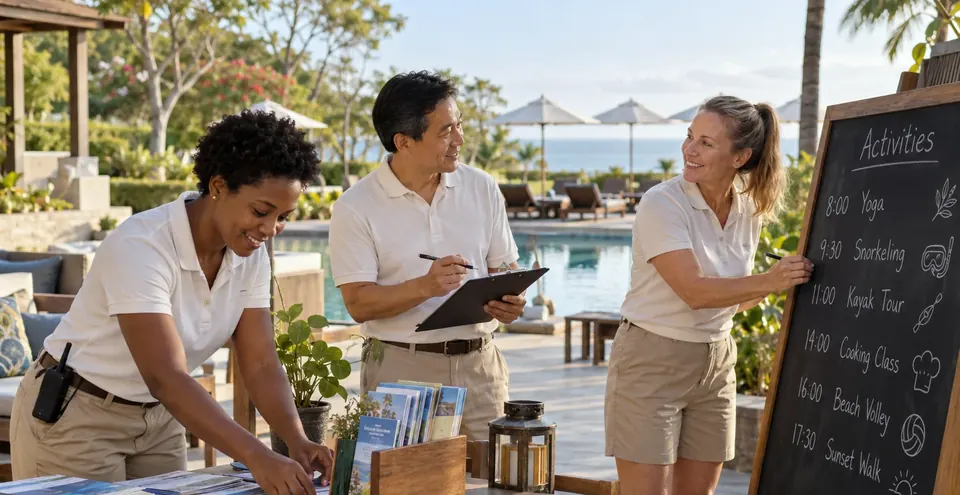
In Rwanda, seasonal holiday resort activity leader jobs are linked to lodges, lakeside resorts and tour operators rather than to large holiday clubs. Activity leaders guide gorilla and golden monkey treks, nature walks in Nyungwe, boat trips on Lake Kivu, cycling on the Congo Nile Trail and visits to cultural villages. Peaks fall in the dry months from June to September and at year-end. Guides need training, languages and strong safety habits, and foreign nationals need a work permit linked to the employer.
This page in other languages : Français
What activity leaders do in Rwanda
Rwandan tourism is built on nature and culture. Activity leaders and guides accompany visitors on treks in Volcanoes National Park, where trained trackers and rangers lead the groups, and on game drives in Akagera, where guides explain wildlife and park rules. In Nyungwe, guides lead walks, chimpanzee tracking and visits to the canopy walkway, and they teach visitors about forest conservation.
On Lake Kivu, resort hosts organise boat trips, kayaking, fishing excursions and visits to islands, and some lodges offer yoga, cycling or sunset gatherings. The Congo Nile Trail, which runs along the lake from Rubavu to Rusizi, attracts cyclists and walkers, and local guides help with route planning, accommodation and safety.
Cultural activities are popular in the Musanze area, where visitors meet communities, see traditional dance by troupes known as intore, learn about banana beer production and visit former royal sites near Nyanza. Community members often lead these visits, and animators who respect local custom, explain history truthfully and avoid staged stereotypes earn lasting trust.
Training plays a large role. Many guides start as porters, trackers or hotel staff, then take courses in guiding, languages and first aid to move up. Employers support promising workers by sending them to short courses, so show curiosity and ask for feedback regularly from supervisors and from guests.
Settings, activities and the working year
| Setting | Typical activity | Main skills |
|---|---|---|
| Volcanoes National Park and Musanze | Trek support, village and cultural visits | Fitness, English, knowledge of wildlife and culture |
| Akagera National Park | Game drives, boat safaris | Species knowledge, driving, first aid |
| Lake Kivu resorts | Boat trips, kayaking, family activities | Swimming, boat safety, group leadership |
| Nyungwe Forest | Walks, chimpanzee tracking, canopy visits | Forest knowledge, languages, navigation |
The busiest months are June to September, when dry weather makes trekking and safaris easier. Visitors also come around the year-end holidays and for events such as Kwita Izina in September. In the rainy months, lodges receive fewer guests, and leaders may be assigned to training, maintenance and preparation of new programmes.
Working hours and rhythm
Days start early, especially for trekking and game drives, and may end after dinner activities. Guides often work several days in a row, followed by rest days. Remote lodges house staff on site, while resort staff on the lake may live in nearby towns. Ask for the schedule and the rest day pattern before accepting a post.
Conservation is a major theme in Rwanda. Gorillas, chimpanzees and golden monkeys are protected, and part of park revenue supports nearby communities through schools, clinics and water projects. Guides who explain this link help visitors understand why permits are limited and why rules about distance and group size must be respected.
Qualifications, languages and safety
National parks require guides to complete training and licensing, and the Rwanda Development Board oversees standards. Tour operators look for guides with a certificate in tourism or guiding, first aid and customer care. Some roles, such as park rangers and trackers, are filled through the park authorities, while lodge animators are hired directly by the resort.
English is the main language of tourism, and French is important for visitors from French-speaking countries. Kinyarwanda is the language of daily life and essential for working with communities. Some guides also speak German, Spanish or Chinese, which helps with specific groups. Clear speech, patience and a sense of humour matter more than a perfect accent.
Safety is central. Leaders brief guests on rules for wildlife encounters, keep distances from gorillas and other animals, and manage health risks such as altitude, sun and slippery paths. On the lake, life jackets and weather checks are required. When children are involved, leaders count them regularly and never leave them unattended near water or on trails.
Evening programmes are simple but warm. After dinner, a lodge may offer storytelling, drumming, a film about conservation or a quiet talk from a ranger. Leaders choose activities to match the group, and they avoid loud music or late finishes when guests have an early trek. Good timing and sensitivity make the stay memorable.
Guides on the lake must also learn local weather signs. Afternoon winds can raise waves on Lake Kivu, and storms build quickly over the hills, so boat trips are scheduled in the morning when possible. Leaders check the forecast, carry life jackets for every guest and return to shore at the first sign of dangerous conditions.
Staff welfare matters too. Long days outdoors are tiring, so good employers provide meals, drinking water, rest breaks and clean accommodation. Ask about these points at the interview, and be open about any health condition that may affect fieldwork, so the employer can plan safely for the whole season.
Pay, permits and conditions
Pay depends on the employer and the experience of the guide. Salaried guides at lodges receive a monthly wage, while freelance guides may be paid by the day or trip, with tips from guests. As there is no single published scale, ask for the amount in writing, as well as the arrangement for meals, accommodation and transport.
Foreign nationals need a visa and a work permit tied to an employer, processed through the immigration authorities. Rwanda prefers to hire citizens for guiding, as it supports local employment and community benefits. Skilled foreign specialists, such as dive or climbing instructors, may be hired when the skill is not available locally, with the employer managing the permit.
Check insurance and health arrangements. Remote lodges are far from hospitals, and some activities involve risk. A reliable employer provides first aid equipment, a trained responder and an evacuation plan. Keep a copy of your contract and permit, and note the number of the nearest clinic in your phone.
Equipment and vehicles must be checked every day. Guides inspect boots, ponchos, first aid kits, radios and boats before each outing, and they report problems at once. Dependable staff are noticed by managers and invited back each season, while careless habits can end a contract even when the guest feedback is otherwise good.
Frequently asked questions
Do I need a licence to guide visitors in Rwanda?
Park and trek guiding requires official training and approval, and tour operators check certificates before hiring. Lodge animators need first aid, languages and experience. Ask the employer and the Rwanda Development Board what is required for your activity. Keep a copy of every certificate with you when you apply.
Are there children's clubs in Rwanda resorts?
Some resorts organise simple activities for families, but there is no large club-hotel circuit. Most programmes revolve around nature, culture and the lake, so leaders are guides and hosts who can adapt to different ages and weather. Leaders are expected to switch easily between games, short talks and quiet evening activities.
Rwanda: when is the best time to apply?
Apply a few months before the dry season, between February and May, with a short application, your certificates and references. Visit lodges in person when possible, and ask about transport and housing at the site. Follow up politely after two weeks if you hear nothing, since managers receive many messages.
Where to find these jobs
- Rwanda Development Board — Government agency that licenses tour operators, manages national parks and sets standards for tourism guides.
- Rwanda Tourism Chamber — Private sector chamber that brings together lodges, tour operators and guides under the national business federation.
- University of Tourism, Technology and Business Studies — Higher education institution that trains students in tourism, hospitality and business skills.
- Workforce Development Authority — National authority for technical and vocational training that includes guiding and hospitality courses.
Official and legal references
- Visit Rwanda — Official tourism site with parks, activities, cultural visits and practical travel information.
- Rwanda Development Board — Government agency site with information on tourism, investment and licensing.