Guyana: seasonal holiday resort activity leader jobs in eco-lodges, tours and cultural events
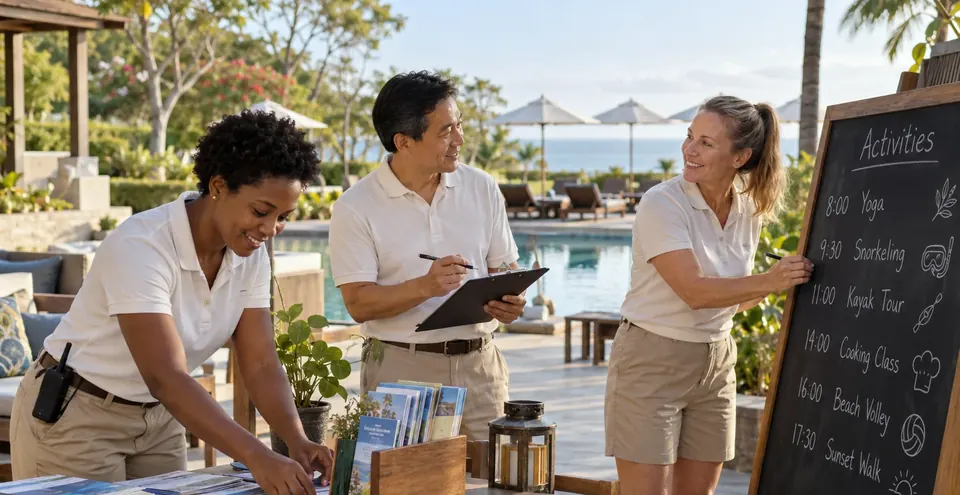
Guyana has eco-lodges such as Surama, Iwokrama, Karanambu and Rock View, where activity leaders take small groups on walks, river trips and night drives, pointing out giant otters, black caimans, capybara, toucans and harpy eagles. Seasonal holiday resort activity work also includes cultural events and tours. Qualifications, languages and local knowledge are valued, rosters and income follow the seasons, and child safety and conduct standards apply. Anyone considering this work should understand the duties, the likely income across a season and the practical steps for applying to lodges and operators.
Guyana seasonal holiday resort activity leader jobs: what activity work involves
At lodges such as Surama, Iwokrama, Karanambu and Rock View, activity leaders take small groups on walks, river trips and night drives. They point out giant otters, black caimans, capybara, toucans, harpy eagles and howler monkeys, explain the forest and share Indigenous stories. Good guides are patient observers who notice details before guests do.
Day tours are another strand. Operators fly or drive visitors to Kaieteur Falls, one of the highest single-drop waterfalls in the world, to Orinduik Falls, to the Victoria water lily ponds and to Shell Beach, where marine turtles nest on the north-west coast in certain months. Hosts manage timing, picnics, briefings and safety near cliffs and water.
City hotels and events also need entertainers. Georgetown venues host steel pan, calypso and chutney music nights, and cultural shows during Mashramani and Diwali. Hosts, MCs, DJs, drummers and dancers are hired for evenings and festivals. Cooking classes, rum tastings and market tours add daytime opportunities for storytellers.
Birdwatching is a specialist field. Guyana hosts hundreds of species, including the Guianan cock-of-the-rock, harpy eagle, scarlet macaw and hoatzin, and keen visitors pay for guides who know calls and habitats. A bird guide with a good ear and patience can build a loyal following among overseas clients.
Sports and adventure tourism are expanding. Kayaking on the Essequibo, fishing for arapaima and peacock bass, hiking to waterfalls and overnight trips in hammock camps need leaders with endurance and navigation skills. Some operators also run cycling and horse riding on the Rupununi savannah, where ranch hands double as guides.
Qualifications and languages for holiday resort entertainer work in Guyana
Guides are expected to hold training from the tourism authority or approved institutions, and many learn through apprenticeship in their communities. First aid, river safety and wilderness skills are essential. Boat operators need the right licences, and drivers must hold valid permits. Those who lead groups to protected areas follow park and village rules.
English is the working language, with Guyanese Creole widely understood. Portuguese is helpful near Lethem and the Brazilian border, and French, German or Dutch help with visitors from Europe. Indigenous guides contribute languages such as Macushi, Wapishana and Patamona, which adds authenticity and cultural depth to the tour.
Interpersonal skills count. A leader must keep a mixed group calm, answer questions honestly and adapt plans if rain or rising water changes conditions. Storytelling, humour and basic photography help, and knowledge of birds, plants and local history sets apart the best guides from average ones.
Cultural experiences are another strength. Indigenous guides explain cassava processing, hammock weaving, bush medicine and traditional foods, while Georgetown hosts walking tours of wooden colonial buildings such as St. George's Cathedral and the Stabroek Market clock tower. Such tours need storytelling skill and respect for community traditions.
| Activity | Typical place | Key requirement |
|---|---|---|
| Nature guide | Iwokrama, Surama, Rupununi | Wildlife knowledge, first aid |
| Waterfall tour host | Kaieteur, Orinduik | Safety briefing, group control |
| Cultural performer | Georgetown venues, festivals | Music, dance, stage presence |
| Boat operator | Essequibo, Demerara, Rupununi | Licence, river safety |
Seasons, rosters and income for seasonal activity leader jobs in Guyana
The best months are January to April and September to November, when rain is lighter and rivers are easier to use. Christmas and Easter bring local holidaymakers, and Mashramani, Diwali and the Rupununi Rodeo create peaks. Lodges often reduce bookings during the long rains, when access can be difficult.
Rosters can be long. Lodge staff often work several weeks in a row with a rotating break, living on site and sharing rooms. Guides on day tours work early starts and late returns. Time off is usually arranged in blocks, and communication with families may be limited by mobile coverage.
Income depends on the employer and the volume of visitors. Community lodges share revenue with villages, while private operators pay wages or fees per trip. Tips are appreciated, and a good reputation brings repeat clients. In low season, guides often farm, fish or work on construction to keep earning.
Working relationships with villages matter. Many lodges are owned or supported by Indigenous communities, and income is shared through village funds. Guides who live nearby carry responsibility for conduct and reputation, and they are often trained by the community council or by conservation groups, which keeps a high standard of local ownership.
Training pathways exist. The tourism authority, conservation organisations and development partners offer courses in guiding, first aid, boat handling and customer care, and some run exchange visits to other lodges. Taking part in these programmes builds confidence and widens your network of employers and colleagues.
Savings and planning matter for leaders in Guyana, because tourism income rises and falls with flights, weather and international events. Many guides keep a second skill, such as boat repair, carpentry or farming, and they set aside a part of each high-season payment for the quiet months.
Child safety, conduct and applying
When children are part of a group, leaders follow clear safety rules, including headcounts, life jackets, shade and water breaks. They know allergies and medical conditions, and they never leave children alone near rivers or cliffs. Resorts increasingly ask for references and training in child protection.
Responsible behaviour toward communities and nature is vital. Guides ask permission before photographing people, follow village protocols, keep to marked trails and avoid disturbing wildlife. In Indigenous territories, visitors respect the village council, and income from tourism is shared fairly, which keeps projects sustainable.
To apply, contact lodges, tour companies, the community tourism committees and city hotels with a CV, a short profile and references. Offer to join a trial tour if invited, and keep certificates ready. Foreign applicants need a work permit and a sponsoring employer, and should avoid unpaid work without clear terms.
Equipment and planning make tours smooth. Leaders check boats, life jackets, radios, first aid kits, binoculars and water before departure, and prepare for rain or delays. In remote areas, satellite phones or radios are sometimes the only link, and a leader must know the emergency plan for every trip.
Relationships with guests last beyond a stay. Visitors who have a good time in Guyana often send reviews, recommend guides to friends and return in later seasons. Keeping in touch with a polite message, sharing photographs responsibly and honouring promises made on tour all help to turn a seasonal job into a steady clientele.
Frequently asked questions
Do I need formal training to guide?
Formal training helps, and some lodges require certificates in first aid and guiding, but many guides learn locally from elders and experienced colleagues. Whatever your route, safety training, wildlife knowledge and good communication are expected, and licensing rules should be checked with the tourism authority.
Guyana: can foreigners work as activity leaders?
They can if an employer sponsors a work permit and local candidates are not available for the role. Many interior lodges prefer residents of nearby villages. Foreign applicants should check the legal process before agreeing to any arrangement.
What time of year do lodges hire?
Hiring is usually before the dry periods, in December and January and again in July and August. Contacting lodges and tour companies a few months ahead gives time for permits, training and travel arrangements, and increases the chance of a place.
Where to find these jobs
- Guyana Tourism Authority — National tourism body that sets standards, licenses operators and promotes ecotourism destinations that employ activity guides.
- Tourism and Hospitality Association of Guyana — Private sector association linking lodges, tour operators and hotels that hire guides and activity staff.
- Iwokrama International Centre — Rainforest conservation and research centre that trains local rangers and guides and operates a lodge in central Guyana.
- Guyana Ministry of Labour — Government ministry that oversees labour standards and handles complaints from tourism and hospitality workers.
Official and legal references
- Guyana Tourism Authority — Official tourism site describing attractions, lodges, wildlife and cultural events in Guyana, in English.
- Department of Public Information of Guyana — Official government information service with national news and public notices published in English.