Sierra Leone: seasonal holiday activity leader jobs in beach resorts, wildlife tours and surfing
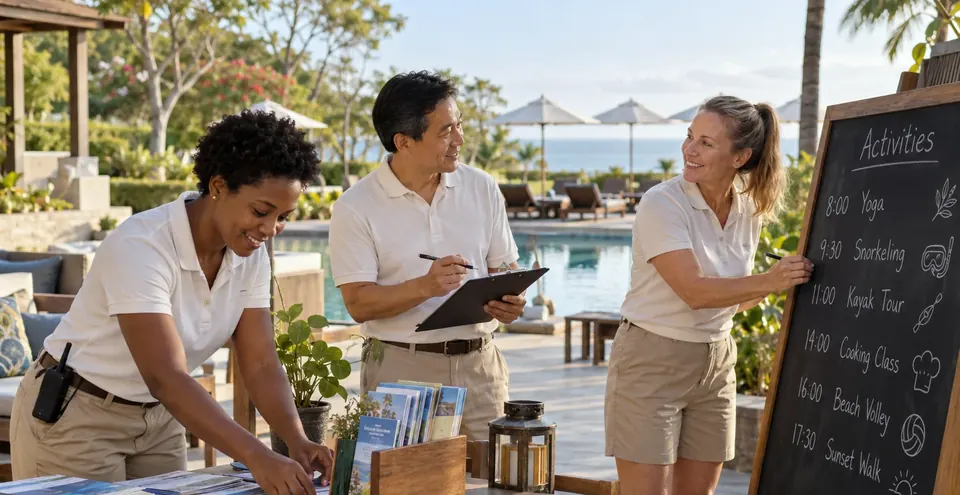
In Sierra Leone, seasonal holiday activity leader jobs include guiding visitors to Tacugama and Tiwai, leading heritage tours at Bunce Island, teaching surfing at Bureh Beach, running boat trips to the Banana Islands and organising games and music at beach lodges. Demand peaks in the dry months from December to April, when returning diaspora families and visitors arrive. Employers look for local knowledge, first-aid and water-safety skills, good English and Krio, and care with children. Most posts are held by Sierra Leoneans, and foreigners need permits linked to an employer.
Settings for activity work
The Freetown Peninsula holds the greatest concentration of activities. Beaches such as River Number Two, Tokeh, Sussex and Bureh offer swimming, volleyball, football and boat rides, and lodges organise evening music and barbecues. Bureh Beach is the centre of surfing, with lessons for beginners and board rentals. Guides also lead walks in the Western Area Peninsula National Park and visits to fishing villages.
Wildlife and heritage tourism creates more guiding work. Tacugama Chimpanzee Sanctuary rescues orphaned chimpanzees and welcomes visitors with guides and educators, Tiwai Island on the Moa River offers walks and canoe trips through rainforest, and Outamba-Kilimi National Park in the north has savannah and river landscapes. Bunce Island, an old fort in the Sierra Leone River, is a major heritage site with guides who explain its history.
Boat trips link islands and coast. Operators take visitors to the Banana Islands, Bunce Island and the beaches at Sherbro, and local fishers sometimes offer canoe trips. Captains, deckhands and hosts are needed, and safety equipment and weather checks are vital. In the dry months, calm seas encourage short excursions, while the rainy months limit them, so most work is seasonal.
The social side of activity work is significant. Beach lodges host parties for returning diaspora families, school groups and corporate retreats, where leaders organise volleyball, beach football, treasure hunts and dancing. Music is central, with drums, guitars and recorded Krio and Afrobeat tracks, and leaders who can start a dance or lead a song create a memorable atmosphere. Humour and warmth are as important as athletic ability.
Skills and qualifications
Good guides know their subject. They can explain the history of Freetown and the slave trade, the habits of chimpanzees and monkeys, the plants of the rainforest and the customs of villages, and they speak clearly and respectfully. Many learn on the job from older guides and through training with conservation groups, and employers often value local knowledge more than formal diplomas.
| Activity | Useful skill | Typical setting |
|---|---|---|
| Surf instructor | Surf experience, water safety | Bureh Beach |
| Wildlife guide | Species knowledge, first aid | Tacugama, Tiwai, Outamba-Kilimi |
| Heritage guide | History, storytelling | Bunce Island, Freetown |
| Boat host | Safety briefing, customer service | Freetown coast, Banana Islands |
| Beach activity leader | Games, music, first aid | Beach lodges on the peninsula |
Languages matter. English is used with international visitors, Krio is the everyday language, and French can help with guests from neighbouring countries. Diaspora visitors often speak Krio and enjoy hearing it from guides. Clear speech, humour and patience help when leading mixed groups, and the ability to adapt explanations for children and elders is valuable.
First aid and water safety are key. Beaches have strong currents in places, and swimmers should be briefed and supervised. Staff should know basic rescue and resuscitation, and lodges should keep first-aid kits. Training is available through the Red Cross and other organisations, and certificates improve employment prospects with hotels and tour operators.
Heritage tourism requires careful storytelling. Bunce Island and other sites tell a painful history of the Atlantic slave trade, and guides must speak with sensitivity and accuracy. Many descendants of enslaved people and Sierra Leoneans from abroad visit to reconnect with their past, so a guide who can answer questions, share local history and respect emotions earns trust. Training in history and interpretation improves the quality of tours.
Safety, children and respect
Working with children requires care. Resorts and lodges should have rules about supervision, and staff should avoid being alone with a child in private places. National child protection laws apply, and employers may ask for references. Leaders should keep clear records of who is in the group and where they are, particularly near water, rocks and boats.
Respect for communities is vital. Tourists visiting villages should ask permission before taking photographs, dress modestly and follow local customs, and guides explain these rules. Fees paid to communities support local projects, and guides can help visitors buy crafts and food from local sellers. Good behaviour protects relationships and encourages repeat visits.
Environmental protection is part of the job. Guides at sanctuaries and parks explain why visitors must not feed animals or leave rubbish, and surf instructors teach respect for beaches and reefs. Rangers and conservation groups monitor wildlife and habitats, and activity leaders often cooperate with them. Showing visitors how to enjoy nature without harming it is a valued skill.
Camps and school programmes provide another route. Churches, schools and non-governmental organisations organise holiday clubs, sports days and reading camps during school breaks, and they recruit coordinators and volunteers. These roles are often part-time and modest in pay, but they build experience with children and teamwork. Some resorts hire the same leaders for family weeks over the end-of-year holidays.
Safety around water cannot be stressed enough. Many Sierra Leonean beaches have currents, waves and rocks, and lifeguard services may be limited. Activity leaders should check conditions, mark safe swimming areas, keep headcounts and have a plan for emergency help. A lodge that invests in lifeguards and first-aid training protects guests and staff and builds its reputation.
- Keep a current first-aid certificate and know the nearest clinic for each site you guide.
- Learn the history and wildlife facts for your area so that explanations are accurate.
- Prepare indoor or shaded activities for rainy days and for the heat of midday.
Season, pay and permits
Activity work is strongest between December and April. Beach lodges, tour operators and sanctuaries hire extra staff before Christmas and keep them through the dry season. Pay may be a daily or monthly wage, with tips and sometimes meals, and independent guides rely on fees per tour. Agree terms in writing and clarify who provides equipment, transport and insurance.
Foreign nationals need work permits linked to employers, and visitors may not guide for pay. Authorities favour Sierra Leoneans for entry-level posts, so specialist roles such as surf coaches, dive instructors or conservation educators have a better chance. The immigration department, the labour ministry and the tourist board can advise on procedures.
Finally, think about career steps. A beach host who learns surfing safety can become an instructor, a trail guide who studies bird or primate behaviour can move into conservation education, and a boat host who passes a licence can become a skipper. Keeping a record of experiences, collecting reviews and building relationships with tour operators and conservation groups help workers progress from seasonal contracts to longer posts.
Frequently asked questions
Do I need formal training to guide in Sierra Leone?
Formal qualifications are helpful but not always required. Many guides learn through apprenticeships and training from sanctuaries and operators. First-aid certificates and good knowledge of the site are important.
Can I teach surfing in Bureh?
Surf schools operate at Bureh Beach and rely on local instructors and sometimes foreign coaches. Visitors who wish to teach should discuss arrangements with local operators and confirm legal permission before offering lessons.
Are activity jobs available outside the dry season?
A few, such as city tours, cultural events and some lodge roles, continue, but most activity work declines during the heavy rains. Workers often combine guiding with other income through the year.
Where to find these jobs
- National Tourist Board of Sierra Leone — Government tourism agency that promotes activities, regulates guiding standards and supports operators across the country.
- Tacugama Chimpanzee Sanctuary — Conservation centre near Freetown that rescues chimpanzees, runs education programmes and employs guides and educators.
- Sierra Leone Red Cross Society — Humanitarian organisation offering first-aid and safety training that is valuable for beach and activity staff.
- Ministry of Labour and Social Security — Government ministry advising on labour rules, permits and workers' rights in the tourism sector.
Official and legal references
- Sierra Leone National Tourist Board — Official tourism site presenting beaches, wildlife sites, heritage tours and activities across the country.
- State House of Sierra Leone — Official government site with national information and links to ministries covering labour, tourism and child protection.