Sierra Leone: seasonal hotel and restaurant jobs at Freetown beaches, eco-lodges and city hotels
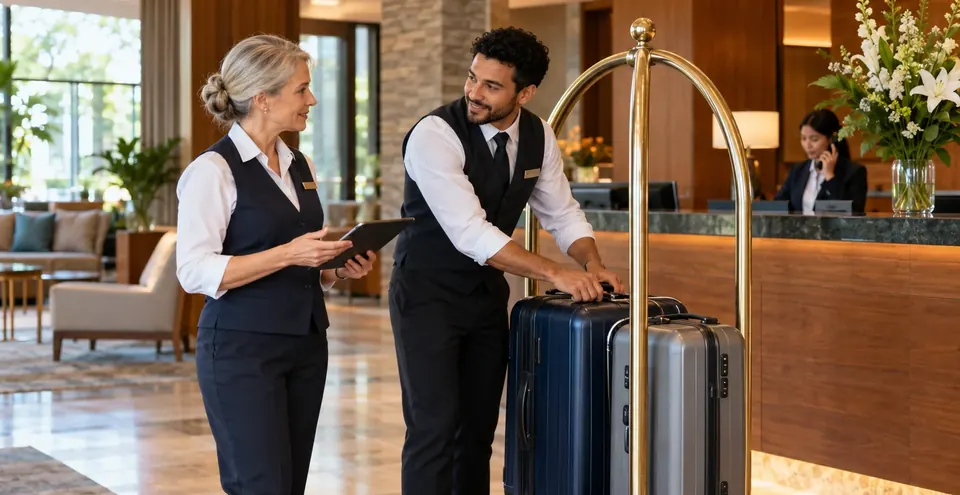
Across Sierra Leone, seasonal hotel and restaurant jobs are concentrated on the Freetown Peninsula, where beach hotels, guesthouses and restaurants at Aberdeen, Lumley, Tokeh and Bureh expand during the dry months from December to April. Other posts exist in provincial towns such as Bo, Kenema and Makeni and at eco-lodges near Tiwai Island and the Tacugama sanctuary. Roles include cooks, waiters, cleaners, receptionists, security staff and bar workers. Citizens fill almost all positions, and foreign staff need a permit linked to an employer before starting work.
Peak months and where hotels hire
The dry season is the main tourist period. From December to April, skies are clearer, roads are passable and the sea is calm enough for swimming and boat trips, so beach hotels and restaurants around Freetown extend opening hours and recruit extra staff. The weeks around Christmas and New Year are especially busy because returning relatives and business travellers fill rooms and restaurants.
Geography shapes where jobs are found. Hotels at Aberdeen and Lumley serve business visitors and diplomats, the southern beaches at Tokeh, Sussex and Bureh cater to weekenders and holiday-makers, and guesthouses in the city centre and Hill Station serve workers and aid staff. Outside Freetown, hotels in Bo, Kenema and Makeni serve traders, officials and mining contractors, and their trade is steadier through the year.
Nature and heritage sites add small, seasonal roles. Tacugama Chimpanzee Sanctuary in the hills above Freetown, Bunce Island with its fort and slave-trade history, Tiwai Island in the Moa River and Outamba-Kilimi National Park in the north host guides, cooks and lodge helpers who work mainly in the dry months. Heavy rain makes some tracks and river crossings difficult in the wet season.
Seasonality also arises from events. Conferences, weddings and religious celebrations fill banquet rooms at certain times of year, and Independence Day in April and the end-of-year holidays bring peaks of catering. Hotels sometimes hire extra waiters, cooks and cleaners for a few days, usually through staff recommendations, so being known to a manager or supervisor is a clear advantage.
Preparation by employers follows a set pattern. Hotels clean and repaint rooms in October and November, test generators and water pumps, recruit extra cooks and service staff in early December, and brief them on fire safety, hygiene and guest relations. Applicants who present themselves in October with a short CV and references are more likely to be chosen than those who appear when the rush has already begun.
Roles, skills and languages
Kitchens prepare Sierra Leonean dishes such as cassava leaf stew, jollof rice, groundnut soup, fried plantain and grilled fish, alongside simple continental menus. Cooks who can handle large pots, manage fuel efficiently and keep hygiene standards are valued. Waiters need patience, good memory and polite manners, and bar staff serve beer, soft drinks and ginger and hibiscus drinks.
| Role | Typical period | Main zones |
|---|---|---|
| Cook and kitchen helper | December to April, event weeks | Freetown beaches and city hotels |
| Waiter and bar staff | Dry season, weekends | Aberdeen, Lumley, Tokeh, Bureh |
| Cleaner and housekeeper | Year-round, more in peak months | Hotels and guesthouses nationwide |
| Receptionist | Dry season and conference weeks | City hotels in Freetown and Bo |
| Lodge guide and helper | Dry season | Tacugama, Tiwai, Outamba-Kilimi |
English is the language of business and the one most hotels use in writing, while Krio is the everyday spoken language and the easiest way to build rapport with colleagues. Mende, Temne and Limba are widely spoken in the provinces. French can help with visitors from neighbouring countries, and Arabic or Lebanese contacts matter in some businesses. Clear speech and a pleasant manner are essential.
Training is available through technical institutes and short courses in catering, housekeeping and front-office work. Employers also train on the job, and graduates of hospitality programmes often move to supervisory roles. Basic knowledge of food hygiene, first aid and fire safety is a good start, and a reference from a previous employer can help in a market where trust is highly valued.
Menus and service styles differ across the country. Beach restaurants serve grilled barracuda, lobster and shrimp with cassava, plantain and rice, city hotels run buffet breakfasts and business lunches, and provincial guesthouses cook rice and stew on demand. Staff who can adapt to different volumes, from a quiet weekday to a crowded Sunday beach party, are especially valuable, and a flexible worker may be moved between outlets.
Pay, housing and daily conditions
Pay depends on the employer and the role, and many hotels pay monthly in cash or by bank or mobile transfer. Legal minimum standards apply to formal contracts, but small establishments may operate informally, so agree the rate and payment date before starting. Tips are appreciated but not guaranteed, and some hotels add a service charge that is shared among staff.
Housing and transport are significant practical issues. Many staff live in neighbourhoods around Freetown such as Wellington, Congo Town and Lumley, and commute by shared taxi or minibus. Roads can be congested, and heavy rain slows traffic, so allow extra time. Some lodges in remote areas provide basic staff rooms, and workers should ask about food, water and electricity before accepting.
Electricity and water supply can be irregular, which affects kitchen routines and room service. Hotels use generators and water tanks, and staff are trained to manage during outages. Health and safety measures such as clean water, safe food handling and protection from mosquitoes are important, and workers should ask what the employer provides and what they must bring themselves.
Customer expectations in Sierra Leone are warm but practical. Guests value friendly greetings, quick service and honest answers about wait times, and they are quick to share good and bad experiences with friends. Managers train staff to apologise sincerely for delays and to solve problems without fuss. Courtesy to elders, to families with children and to returning Sierra Leoneans from abroad is a basic part of good hospitality.
Permits and employment rights
Foreign nationals need a work permit supported by an employer, and authorities expect that the post cannot be filled by a Sierra Leonean. Skilled roles such as head chefs or managers are more likely to be approved than entry-level jobs. Citizens of regional community states benefit from entry facilities, but they too should confirm the employment conditions with the labour ministry before accepting a post.
Workers in formal hotels are covered by labour law and contribute to the national social security trust. Written contracts, payslips and notice periods protect both sides. Disputes over unpaid wages or unfair dismissal can be raised with the labour ministry, and trade unions represent some hotel staff. Keep records of hours worked, messages and receipts to support any complaint.
- Ask whether the hotel has a generator and a water tank, since staff routines depend on them.
- Check who pays for uniforms and transport, especially for late shifts after dark.
- Confirm the days off and the rule for holiday work around Christmas and Independence Day.
Frequently asked questions
Are beach hotels open in the rainy season?
Most stay open but with lower occupancy, and some small beach lodges reduce services or close during the heaviest rain. Staff may work fewer hours, so many workers plan for income from other sources between May and October.
Do I need hotel training to apply?
Not for every role. Cleaners, kitchen helpers and porters can start with little training, but cooks, receptionists and supervisors usually need experience or a certificate. Short courses improve chances and may lead to better pay.
How can I find vacancies?
Visit hotels in person, ask staff about openings, and check notice boards and social media pages used by employers. The National Tourist Board and the chamber of commerce can point to member businesses that hire.
Where to find these jobs
- National Tourist Board of Sierra Leone — National agency that promotes the country's beaches, wildlife and heritage and works with hotels, guesthouses and tour operators.
- Sierra Leone Chamber of Commerce, Industry and Agriculture — Business association that connects hotel owners, restaurants and suppliers and offers advice on employment practice.
- Ministry of Labour and Social Security — Government ministry that sets labour standards, receives workers' complaints and provides guidance on contracts and permits.
- Fourah Bay College — Oldest university in the country, offering business and management courses that prepare graduates for hospitality management roles.
Official and legal references
- State House of Sierra Leone — Official government site with national announcements and links to ministries covering labour, tourism and immigration.
- Sierra Leone National Tourist Board — Official tourism site describing beaches, lodges, wildlife areas and the dry-season visitor calendar.