Sierra Leone: seasonal fruit and vegetable picking jobs on farms, plantations and market gardens
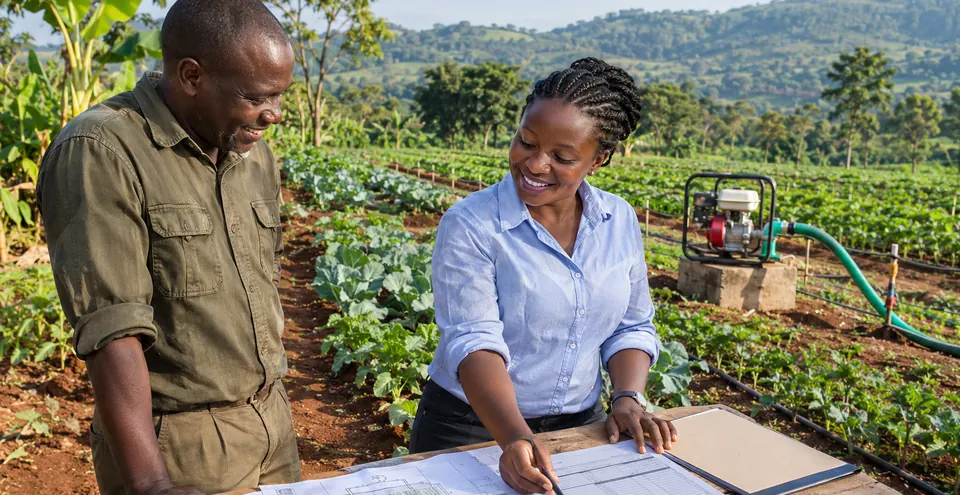
In Sierra Leone, seasonal fruit and vegetable picking jobs are mostly daily or task-based work on family farms, tree-crop plantations and market gardens, rather than organised harvest campaigns. Workers pick oranges, mangoes, pineapples, bananas, peppers, okra and leafy vegetables, and also harvest cocoa, coffee, oil palm and cashew in the provinces. Demand rises during planting in the rains and after the main harvest between September and December. Pay is usually in cash or in kind, and non-nationals need legal permission to work.
Crops, provinces and calendar
Sierra Leone's farming zones differ by province. The Eastern Province, around Kenema and Kailahun, is known for cocoa and coffee on small holdings, and the Southern Province around Bo, Bonthe and Moyamba has oil palm, rice and cassava. The Northern Province includes rice, groundnuts, cashew and vegetables near Makeni, and the Western Area supplies Freetown's markets with leafy greens, peppers and fruit.
Fruit follows the seasons. Mangoes ripen in the early dry season, oranges and pineapples are harvested through many months, and bananas and plantains bear year-round on well-managed plots. Oil palm bunches are cut throughout the year, with peaks in the dry months. Cocoa and coffee are picked after the rains, roughly from October, and the beans are dried in the sun before sale.
Vegetable growing concentrates near towns. Market gardens around Freetown, Waterloo, Bo and Makeni grow okra, pepper, aubergine, tomatoes, cabbage, lettuce and sweet potato leaves, often along streams where water is available in the dry season. These gardens use daily labour for planting, watering, weeding and picking, and sell fresh produce at markets and to restaurants and hotels.
| Crop | Harvest period | Main areas |
|---|---|---|
| Mango | Early dry season | Northern and Southern provinces |
| Cocoa and coffee | From October after the rains | Kenema, Kailahun |
| Oil palm | Throughout the year | Southern and Eastern provinces |
| Cashew | Dry season | Northern Province |
| Okra, pepper, leafy vegetables | Year-round near water | Freetown, Bo, Makeni market gardens |
Livestock and tree crops overlap with fruit and vegetable work. Many farms keep goats, chickens and ducks alongside vegetable plots, and orchards of mango, orange and cashew stand beside rice fields. A worker who is willing to help with several tasks, from feeding animals to picking fruit, is likely to receive more days of work than someone who accepts only one job.
Work tasks and payment
Picking in Sierra Leone is physical and carried out in heat and humidity. Workers climb trees, use long poles for mangoes, cut oil palm bunches with a curved blade and carry loads in baskets or on their heads to collection points. Cocoa work includes splitting pods, fermenting beans and spreading them to dry. Early starts, rest in the shade and plenty of drinking water make long days easier.
Pay varies by crop and arrangement. Daily wages, payment per basket or sack, and shares of the crop are all used, and food may be provided. Cooperative groups, known as labour gangs in many villages, work on each member's farm in turn, which reduces the need for cash. Agree the terms with the farmer beforehand, and try to confirm the payment date in front of a witness.
Safety needs attention. Falls from trees, cuts from cutlasses, snakebites and heat exhaustion are real risks, and chemicals used on some vegetable plots require care. Boots, gloves, hats and long sleeves help, and clean water is essential. Workers should know where the nearest health centre is and carry a basic first-aid kit, especially when working far from villages.
Transport and marketing absorb a large share of the harvest effort. After picking, produce must be carried by head, bicycle, motorbike or truck to roadside markets, and perishable goods such as tomatoes and leafy greens spoil quickly in the heat. Traders, loaders and drivers earn from this movement, and some farmers prefer to sell directly to women traders who visit the farm early in the morning.
The hungry season and farm economy
The months before harvest, typically June to August, are known as the lean or hungry season. Food stores shrink, prices rise and many families need cash, so more people seek paid farm work or trade. Farmers sometimes hire help for weeding and for planting late fields, and labour exchange groups become more active. Workers who save grain or cash from the previous harvest are better able to cope.
Smallholder farming relies on family labour, and most land is held under customary or family arrangements. Outsiders who want to farm need the agreement of landowners and local chiefs, and informal leases should be written down. Land disputes can be sensitive, so a worker who is invited onto a farm should avoid making promises about land use or planting without the landowner's clear consent.
Support exists for farmers and workers. The Ministry of Agriculture provides extension advice, research bodies such as the Sierra Leone Agricultural Research Institute develop seed and techniques, and Njala University trains agricultural students. Non-governmental programmes help farmer groups with storage, processing and markets, and workers who attend training sessions often become supervisors or start small businesses.
Women are central to market gardening and fruit selling. They plant and weed vegetable beds, harvest peppers and okra, sort mangoes and oranges and sell them at roadside stalls and in markets such as Kissy Road, Bo's main market and Kenema's town market. Savings groups and cooperatives, often organised among women, provide small loans and help members buy seed, tools and containers.
Processing adds value and employment. Palm fruit is boiled and pressed for red oil, cassava is grated, fermented and dried into gari, and fruit is cut and sun-dried or made into juice and jam in small enterprises. These tasks occupy workers after harvest and can last through the dry months, and they often pay more reliably than field work.
- Ask a village head or a farmers' group before approaching a plantation for work.
- Carry a water bottle, a hat and a first-aid kit, since shade and clinics can be distant.
- Agree the rate and the way payment is made, such as cash, goods or a share of the crop.
Permits and cautions
Sierra Leoneans may take any farm job. Non-nationals need a work permit to be legally employed, and there is no organised foreign harvest programme, so visitors should not expect paid picking work. Anyone offered farm work for money while on a visitor visa should check with the immigration department. Informal work without permission can lead to fines or removal.
Be careful with offers from agents. Recruiters who promise overseas fruit picking, high wages or guaranteed visas and ask for fees may be committing fraud. Genuine schemes are managed through government channels, and workers should confirm any offer with the labour ministry and the immigration office before paying or travelling.
Newcomers should also think about food, water and accommodation. Some farmers provide a meal and a sleeping space for people who work several days, while others expect workers to return home each evening. Clarify whether the farmer will cover the costs of transport, and bring your own water, since clean sources are not always close to fields. Health precautions, including malaria prevention and safe drinking water, protect workers.
Frequently asked questions
Is there a main fruit-picking season?
Mangoes peak in the early dry season, and cocoa and coffee are picked from about October. Vegetables are harvested year-round where water is available. Because crops vary by region, ask local farmers about timing.
Can I earn a living from picking alone?
Most workers combine picking with other tasks such as weeding, trading or fishing. Income is irregular, and the lean season makes work scarce, so saving and diversifying are important.
Where can I get advice on farming work?
Local agricultural offices, farmer groups and the Ministry of Agriculture offer advice. Community leaders also know which farms need help and which employers pay fairly.
Where to find these jobs
- Ministry of Agriculture — Government ministry offering extension advice, seed and technical support to farmers and coordinating agricultural programmes nationwide.
- Sierra Leone Agricultural Research Institute — National research body developing crop varieties and farming methods for rice, cocoa, cassava and vegetables.
- Njala University — Public university in the south known for agricultural education and research that trains farm managers and extension workers.
- Sierra Leone Chamber of Commerce, Industry and Agriculture — Business association supporting farmers, processors and traders with market information and networking.
Official and legal references
- State House of Sierra Leone — Official government site with national policy announcements and links to ministries including agriculture and labour.
- Sierra Leone Agricultural Research Institute — Official research institute site with information on crops, seeds and farming practices used across the provinces.