Guyana: seasonal fruit and vegetable picking jobs on coastal farms and savannah plots
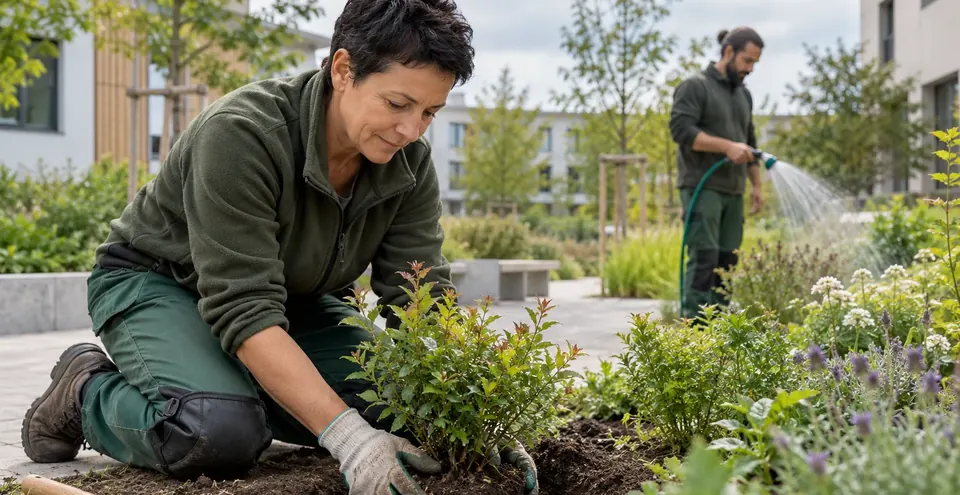
Guyana has coastal farms and savannah plots where fruit and vegetables are picked for local markets and for export. The coastal plain, a low strip reclaimed from the sea behind sea walls, is the main agricultural area, with regions on the Essequibo coast, West Demerara, Mahaica-Berbice and Corentyne growing rice, coconuts and vegetables. Seasonal picking involves short spells of outdoor work in hot, humid conditions. Payment, lodging and the route to work differ, and legal, health and environmental notes apply.
Guyana seasonal fruit and vegetable picking: what is grown and where
The coastal plain, a low strip reclaimed from the sea behind sea walls, is the main agricultural area. Regions on the Essequibo coast, West Demerara, Mahaica-Berbice and Corentyne grow rice, coconuts, vegetables and ground provisions, and farmers use drainage and irrigation canals to manage water. Roadside stalls and markets such as Bourda in Georgetown sell the produce.
Vegetable growers supply markets with pumpkin, cucumber, tomato, boulanger, okra, bora, calaloo, cabbage and seasoning peppers, including the hot wiri wiri pepper that is a Guyanese favourite. The islands of Wakenaam and Leguan in the Essequibo River are known for market gardening. Cassava is grown widely and processed into flour, bread and casareep.
Fruit crops include plantain, banana, citrus, pineapple, mango, soursop, guava, watermelon and coconut. The Linden area and parts of the north-west grow pineapples and other fruit, while the Rupununi savannah produces cassava, peanuts and cashew in Indigenous farms. Most fruit trees yield around the wetter months and the first dry spell.
Rice deserves a note even though it is not picking. In Essequibo, Mahaica-Berbice and Corentyne, rice farmers hire people to cut, bag, load and dry paddy, and the work peaks in the spring and the autumn. Combine harvesters have reduced manual cutting, but bag handlers, truck loaders and mill workers are still in demand.
Coconut work along the coast forms a smaller seasonal stream. Workers climb trees or use long poles to cut mature nuts, load them onto carts and trucks, and sometimes husk them for sale. The task is hard on hands and back, but the fruit is in demand for water, oil, sweets and the popular coconut dishes of Guyana.
Tasks, pace and conditions for seasonal fruit and vegetable picking in Guyana
Harvest work is manual. Pickers cut plantains and bananas with a cutlass, climb trees or use poles for fruit, pull cassava, gather pumpkins and carry loads to a road. Early starts are necessary because the tropical sun is strong, and many farmers finish by early afternoon. Work after rain is slower and muddier.
Water and drainage matter on the coast. Farmers walk on dams between canals, cross small bridges and sometimes need boats to reach plots. Mosquitoes and biting insects are common, snakes are rare but possible, and sunburn and dehydration are constant risks. Boots, long trousers, a hat and plenty of water make the work safer.
After cutting or picking, workers sort, wash and pack produce. Packing houses near Georgetown and in Essequibo prepare vegetables and fruit for supermarkets, hotels and export. Some farms use cold storage and grading tables, giving more regular hours, and these jobs often attract women and older workers.
Indigenous communities practise farming in a different style. In the Rupununi, Pomeroon and Moruca areas, families clear small plots, plant cassava, peanuts, corn and fruit trees, and harvest as the crops ripen. Visitors are welcomed as guests and are sometimes invited to help, though paid work is rare and needs the agreement of the village council.
Weather affects quality and price. After heavy rains, tomatoes split and leaves rot, while in long dry spells watering needs rise sharply. Growers adapt by choosing varieties and spreading planting dates, and pickers who are flexible about timing and who accept different crops across the year remain in demand.
| Crop | Typical area | Harvest note |
|---|---|---|
| Plantain and banana | Essequibo coast, West Demerara | Cut throughout the year |
| Pumpkin, cucumber, boulanger | Mahaica-Berbice, Essequibo islands | Mostly in dry spells |
| Pineapple and citrus | Linden, north-west, Moruca area | Main flush around the wetter months |
| Cassava | Rupununi, Pomeroon, coast | Dug at maturity, year-round |
Payment, lodging and finding work
Payment methods vary from one farm to another. Some farmers pay a daily wage, others pay by the bag, the crate or the pound, and family helpers share in the sale. Because many agreements are verbal, ask for the rate, the date of payment and the number of days, and note them in a diary.
Lodging is seldom provided on coastal farms because workers live in villages nearby. Remote farms in the interior may offer a hammock space or a simple room. Visitors should respect local customs, ask permission before entering land, and avoid taking fruit from trees without clear consent.
To find work, speak with farmers, village councils, cooperatives and extension officers of the Ministry of Agriculture, or visit markets early in the morning when traders gather. The National Agricultural Research and Extension Institute offers training for growers, and community groups share news of upcoming harvests.
Seasonal markets show where picking work leads. Bourda, Stabroek and Parika markets in Guyana fill at dawn with vendors from the coast, and sellers hire boys and men to carry sacks, women to wash greens and drivers to move goods. These jobs are paid in cash and depend on the volume of the day's harvest.
Legal, health and environmental notes for seasonal harvest work in Guyana
Employment law covers farm employees, though casual work is frequently unwritten. Labour authorities handle complaints. A foreign worker needs a permit, and volunteer arrangements should be checked with the authorities. Minors must not do hazardous tasks, and schooling takes priority in rural communities.
Health precautions include protection against mosquitoes, safe drinking water and caution with pesticides and fertilisers on commercial plots. Tetanus protection should be up to date because of cuts from tools. In the interior, malaria is present in some areas, so follow medical advice and sleep under a net.
Flooding is a hazard on the coastal strip. Heavy rain, high tides and blocked canals can submerge fields and damage crops, so farmers rely on pumps and sluice gates. Workers may be called on for emergency drainage and repairs, which can be demanding but valued by growers.
Climate change is a growing concern for Guyanese farmers. Heavier rains, rising seas and unpredictable dry spells affect planting dates, and the government and development partners support drainage works, improved seeds and training. Workers who understand water management, pumps and sluices are increasingly valuable on coastal farms.
Safety tips are simple but important. Always tell someone where you are working, drink safe water, use gloves for sharp leaves and tools, and avoid walking in the dark near canals. If you are bitten or cut, clean the wound and seek treatment at the nearest health centre, even if the injury looks minor.
Frequently asked questions
Is there organised fruit picking in Guyana?
There is no large organised harvest programme comparable to those in some other regions. Most picking is done by farm families and local labourers, and arrangements are made directly with growers. Foreign visitors need permission to work, and informal help should be cleared with the authorities.
When is the best time to find farm work?
Rice sowing and harvest times, the dry spells and the weeks before festivals are busy. Vegetable and fruit picking occurs throughout the year, with peaks in the drier months. Ask local growers about their calendar, since each region differs.
What clothes and equipment should I bring?
Bring a wide hat, long-sleeved light clothing, boots, gloves, sunscreen, repellent and a water bottle. A small first aid kit and a rain jacket are useful. Keep copies of documents and tell someone where you work, especially on remote farms.
Where to find these jobs
- Guyana Ministry of Agriculture — Government ministry that supports farmers with extension services, drainage, irrigation and crop information across the regions.
- National Agricultural Research and Extension Institute — State institute that trains farmers and develops improved crop practices for vegetables, fruit and root crops.
- Guyana Rice Development Board — Board that regulates rice quality, supports growers and publishes information on planting and harvest seasons.
- Guyana Ministry of Labour — Ministry that handles labour standards, inspections and worker complaints, including those from farm employees.
Official and legal references
- Department of Public Information of Guyana — Official government information service publishing agricultural news, ministry notices and public information in English.
- Guyana Ministry of Agriculture — Official ministry site with details on crops, farmer services, programmes and agricultural policy for the regions.