Guatemala: seasonal holiday resort activity leader jobs in theme parks, lake lodges and adventure tours
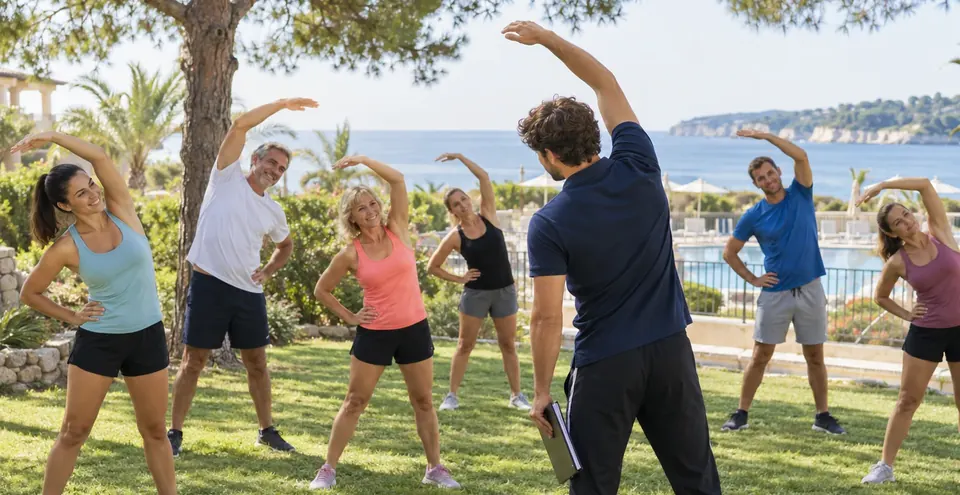
In Guatemala, seasonal holiday resort activity leader jobs include running children's programmes, water games, volcano and lake excursions, cultural workshops and evening shows in theme parks, hotels, lodges and adventure companies. Demand peaks in Holy Week, the December holidays and the dry months, when families and trekkers travel. Spanish is the main language, English is valued, and guides must be licensed by the tourism institute. Employers also expect first aid skills and strict child protection, and foreign applicants need authorisation to work.
This page in other languages : Español
Where activity leaders find work
Recreation parks in the south-west are among the largest employers. The Xocomil water park and the Xetulul theme park near Retalhuleu, run by a workers' recreation institute, recruit staff for rides, shows, lifeguarding and children's areas during holidays, and smaller resorts on the Pacific coast near Monterrico, Iztapa and Champerico organise beach games for weekend crowds.
Lake Atitlan and Antigua offer a different kind of leadership work. Kayak, paddleboard and boat tours, volcano trekking on Pacaya and Acatenango, coffee-farm workshops, chocolate making, cooking classes and weaving demonstrations employ guides and instructors for visitors. Many operators are small and rely on seasonal helpers during the dry months and Holy Week.
In the north, Tikal, Flores and Peten lodges require naturalist guides, boat captains and activity staff for bird walks, canoe trips and night excursions. Semuc Champey near Lanquin attracts tubing, caving and swimming groups, and Rio Dulce lodges offer river tours. Language and local knowledge are important, and several posts go to people from nearby communities.
Seasonal recruitment typically begins several weeks before the busiest dates. Large parks and hotels publish vacancies online and through the public employment service, while adventure operators choose guides through recommendation and short trial excursions. Language schools and technical institutes often have noticeboards with offers, and a conversation with a lodge owner during the quiet months can lead to a position for the next peak.
Tikal and the Peten region deserve a special note. The archaeological park is one of Guatemala's most visited sites, and nearby hotels in El Remate and Flores need guides, boat staff and cooks. Because the area is protected, only licensed guides lead groups inside, and park rules limit numbers and behaviour. Local residents have priority for many posts, and training programmes prepare young people from neighbouring villages.
Qualifications, languages and safety
Tourist guides need a licence or accreditation from the national tourism institute, and access to protected areas such as Tikal is regulated by the park authorities. Specialised activities such as climbing, rafting, caving or diving require certified instructors and equipment checks. Staff who run children's clubs benefit from certificates in recreation, teaching, first aid or lifeguarding offered by technical institutes and the Red Cross.
| Activity | Typical venue | Useful qualification |
|---|---|---|
| Children's club and games | Parks, resorts | First aid, childcare, recreation training |
| Volcano trekking | Pacaya, Acatenango | Licensed guide, mountain first aid |
| Lake and river tours | Atitlan, Rio Dulce | Boat safety, lifeguard training |
| Cultural workshops | Antigua, Atitlan | Craft knowledge, Spanish and English |
| Nature and archaeological guiding | Tikal, Flores | Licensed guide, species and history knowledge |
Spanish is the base language, and English is requested by tour operators and lodges. Kaqchikel, K'iche', Q'eqchi' and other Maya languages are valued where communities host visitors, and Garifuna is heard around Livingston. Leaders explain safety rules clearly, tell stories with patience and adapt to different ages. Fitness, calm under pressure and respect for local customs are part of the profile.
The safety of minors is protected by the law for the comprehensive protection of children and adolescents. Employers often request references and identity checks, and staff must follow supervision rules, never stay alone with a child in a private place and report any concern to a supervisor and the competent authority. Water and mountain activities require strict ratios and safety equipment.
Programmes for children and teenagers include scouting-style camps, ecological days at nature reserves and school holiday clubs organised by municipalities and churches. Counsellors lead songs, games, crafts and hikes, and they supervise meals and sleeping areas. Experience as a teacher, youth leader or sports coach is highly valued, and short courses on child protection and first aid are increasingly requested.
Evening animation matters too. Hotels in Antigua and Panajachel organise marimba music, dance demonstrations, bonfires, film nights and storytelling with local legends. Leaders who can play an instrument, sing or tell stories in clear Spanish and English are appreciated. Even a small lodge benefits from a simple programme, and animators learn to adapt the show to the energy of the group.
Pay, schedules and working life
Pay follows the legal minimum for the sector or higher rates set by employers, and includes mandatory bonuses in proportion to time worked. Guides on excursions may receive tips from groups, and some companies provide meals, transport or shared housing. Compare the whole package, and ask what happens when trips are cancelled by rain or road closures. A written agreement avoids disputes.
Days are active and often start before sunrise, because volcano and lake excursions leave early. Weekends and holidays are the busiest, and rest days commonly fall midweek. Altitude, cold mornings, heat on the coast and sudden storms require flexibility and sensible clothing. Leaders who manage tired groups kindly and keep schedules realistic are appreciated by guests and employers.
- Keep first aid certificates up to date
- Prepare games for rain and for hot afternoons
- Carry copies of your licence and insurance
- Learn names and stories of local places
Seasonal posts can lead to longer careers. A reliable leader may become a coordinator, trek guide or tour manager, and some move into teaching or event organisation. Keep references from managers, photographs of programmes you led and a list of languages and certificates. Relationships built in the dry season often lead to invitations for the next Holy Week or December period.
Respect for communities underpins responsible tourism. Leaders should ask permission before entering private land, avoid photographing people without consent, support local businesses and explain customs such as dress codes in churches and markets. Employers who train staff in these principles protect their reputation and relationships. Guides with cultural sensitivity are often recommended by visitors and receive repeat business.
Safety plans save lives. Guides should know the route, the weather forecast, the number of participants and the location of the nearest clinic. They should carry a charged phone, a first aid kit, water and extra clothing. On volcano climbs, they check that guests are properly equipped and turn back if conditions worsen. Employers who insist on these routines are usually the best to work for.
Frequently asked questions about activity work in Guatemala
Do I need a guide licence to run children's activities?
A licence is required for guiding tourists on regulated routes, not for games in a hotel or park. Still, employers value first aid and recreation training. Check with the tourism institute before offering tours, since unlicensed guiding can lead to penalties.
Guatemala: can foreigners work as animators?
Only with authorisation. Hotels and parks hire mostly Guatemalans, and foreign workers need a permit and a registered employer. Volunteering for lodging may be possible with schools or non-profit groups, but you should confirm the legal status of any such arrangement with the migration institute.
Guatemala: what is the best time to apply?
Apply a month or two before Holy Week and the December season, and again in October for dry-season trekking jobs. Camps and parks recruit before school vacations. Visiting in person with certificates and references usually works better than sending only online messages.
Seasonal contracts often involve a trial period, so use it to observe how the employer treats staff. Are schedules published on time, are meals provided as promised, is equipment maintained and are guests informed honestly about risks? Positive answers suggest a stable workplace. If you feel that the conditions are unfair or unsafe, talk to the manager and, if needed, to the labour authorities.
Where to find these jobs
- Instituto Guatemalteco de Turismo — National tourism institute that licenses guides and regulates tourism and adventure services
- Instituto de Recreacion de los Trabajadores de la Empresa Privada de Guatemala — Workers' recreation institute that runs the Xocomil and Xetulul parks and employs seasonal staff
- Consejo Nacional de Areas Protegidas — Protected areas council that manages national parks and sets rules for guides and visitors
- Instituto Tecnico de Capacitacion y Productividad — National technical training institute with courses in tourism, languages and first aid
Official and legal references
- Visit Guatemala — Official tourism portal with information on adventure, culture and nature destinations in English
- Ministry of Foreign Affairs of Guatemala — Foreign ministry website with consular services and visa information for visitors