Guatemala: seasonal fruit and vegetable picking jobs on highland, coastal and dry-corridor farms
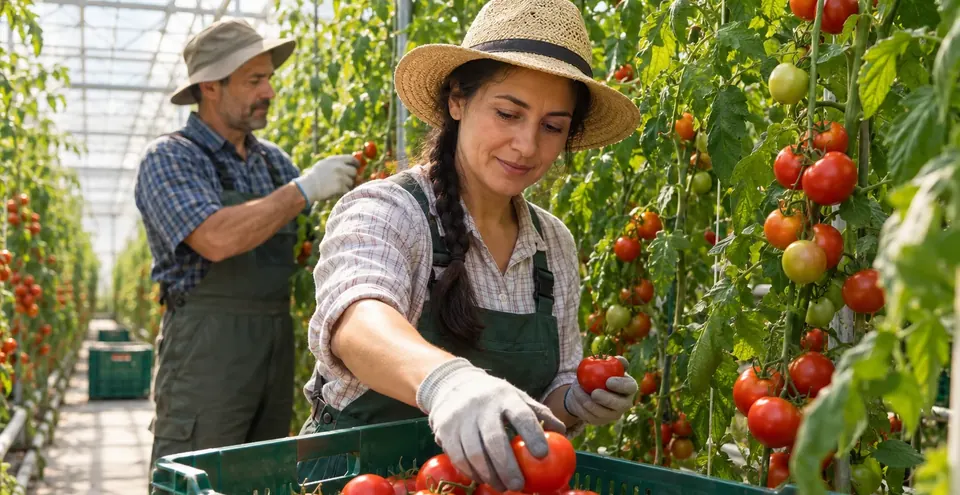
In Guatemala, seasonal fruit and vegetable picking jobs are concentrated in three zones: the western highlands, where broccoli, snow peas and green beans are grown for export, the Pacific coast and Izabal, where bananas and other tropical fruit dominate, and the eastern dry corridor, where melons and watermelons are harvested. Work is outdoors, manual and often paid by the day or by the quantity picked. The Labour Code applies, but informality is common, so verifying the employer, contract and social security registration matters as much as the crop.
This page in other languages : Español
Crops, regions and harvest windows
The highlands of Chimaltenango, Sacatepequez, Solola, Quiche and Huehuetenango grow vegetables for export and for local markets. Snow peas, French beans, broccoli, cauliflower and baby corn are packed in cooperatives, while potatoes, onions and cabbages are lifted in San Marcos and Quetzaltenango. The growing months differ with altitude, and some crops can be harvested almost year-round with irrigation.
In the eastern departments of Zacapa, Chiquimula and El Progreso, dry-season farms plant melons and watermelons, harvested from about December to April and packed for shipment. Mangoes and papayas are picked on the Pacific side in Escuintla, Retalhuleu and Suchitepequez, while bananas are cut in Izabal and along the south coast. Pineapple, plantain and citrus add other seasonal tasks.
Several traditional crops complement the picture. Coffee is harvested from roughly November to March, cardamom in Alta Verapaz and Baja Verapaz from late summer through the end of the year, and macadamia and avocado are growing sectors. While coffee and cardamom are not fruit or vegetables in the culinary sense, workers frequently combine them with vegetable and fruit jobs in the same calendar year.
Cooperatives play a central role in highland vegetable production. Farmers in Chimaltenango and Solola often grow snow peas and beans for export under cooperative or contract arrangements, and members hire neighbours during busy weeks. Workers should ask whether they are employed by the cooperative, by a family farm or by a contractor, because rights and payment methods differ in each case.
Hail, floods and drought sometimes disturb the harvest calendar. The dry corridor in the east can suffer long dry spells that shorten the melon season, and heavy rains in the highlands can damage vegetable beds or block roads. When a farm loses a crop, work may stop for days, so ask how the employer handles such interruptions and whether any payment is made for time already worked.
Tasks, pay and the pace of work
Pickers cut stems, snap pods or lift roots, then place produce in baskets, crates or sacks. Packing sheds sort by size and quality, wash vegetables, trim stems and pack boxes for export. Melon harvesting requires lifting heavy fruit, passing it along a line and loading trucks, often at dawn when temperatures are lower. Supervisors explain quality standards and rejection criteria.
| Crop | Typical areas | Main tasks |
|---|---|---|
| Snow peas and green beans | Chimaltenango, Solola, Quiche | Picking, trimming, packing |
| Broccoli and cauliflower | Sacatepequez, Chimaltenango | Cutting, washing, boxing |
| Melon and watermelon | Zacapa, Chiquimula | Cutting, carrying, truck loading |
| Bananas | Izabal, Escuintla | Cutting bunches, packing shed work |
| Mango and papaya | Retalhuleu, Suchitepequez | Picking, sorting, crating |
Pay is arranged by day, by hour, by piece or by weight. Agricultural workers have their own legal minimum wage, and employers must register them with the social security institute and pay the July and December bonuses in proportion to time worked. Ask in advance how many hours make a normal day, how the harvest is measured and what happens when rain stops work.
The job is physically tough. Heat in the lowlands, cold mornings in the highlands, steep slopes and rain make the work tiring, and repetitive movements strain backs and wrists. Ladders, machetes and trucks create accident risks. Newcomers should expect a period of adjustment and avoid taking long contracts until they know whether they can keep up.
Traceability and quality standards shape the daily routine. Export buyers require records of which field produced a crate, who picked it and which date it was shipped. Workers wash their hands at stations before handling produce, write or scan labels on boxes and follow rules about clean clothing. These procedures can feel strict but give workers a record of time and tasks, which is helpful in case of disputes.
Housing, health and safety
Many workers live in nearby villages, but fincas may provide shared housing or rooms in camps, especially in the coffee and sugar zones. Ask about beds, water, toilets, cooking arrangements and security before accepting. Housing should not be used to tie workers to a farm or to justify wage deductions that are not written in the contract, and children should not be brought to work in the fields.
Agrochemicals are widely used on export vegetables and banana farms, and workers should receive training, protective clothing and clear information about re-entry times. Pregnant workers and minors must not handle pesticides. Report headaches, skin irritation or breathing problems to a supervisor and seek care at a social security clinic, noting the date, because records support later claims.
- Wear closed boots, long sleeves and a hat
- Carry drinking water and a rain poncho
- Keep your identity document in a waterproof bag
- Write down hours worked and payments received
Labour inspectors can visit farms and receive complaints about unpaid wages, unsafe housing or missing insurance. Community leaders, cooperatives and human rights organisations also advise rural workers, and some provide legal help in Spanish and Maya languages. Keep emergency numbers and know the nearest clinic, because many farms are far from hospitals.
Transport can be a major part of the working day. Trucks collect crews at dawn from village plazas, and the journey over unpaved tracks may last an hour or more. Ask whether the employer pays for the vehicle, whether workers ride in the open back of a truck and what happens during heavy rain. Safe and punctual transport is a sign of a responsible farm.
Frequently asked questions about picking jobs in Guatemala
Do I need experience to pick vegetables for export?
Not usually. Supervisors teach how to harvest without damaging produce, how to trim, and how to fill crates to standard. Speed improves within days, and some farms pay a daily wage during the learning period. Choose an employer who explains the quality rules clearly and provides gloves and clean water.
Which months offer the most work?
The dry months from November to April are busiest for coffee, sugar, melons and many vegetables. Highland vegetables continue for much of the year with irrigation, and bananas and cardamom have their own cycles. Ask each farm about planting and harvest dates and apply a few weeks early.
Can foreigners work in the fields?
Only with proper authorisation. A visitor stay does not allow paid labour, and Guatemalan law requires employers to employ mostly Guatemalans. Foreign applicants should speak with the migration institute and the Ministry of Labour before accepting any offer and never hand over documents to a broker.
Financial planning protects seasonal workers. The first payment may arrive after one or two weeks, and costs for food, rent and transport must be covered in the meantime. Bring a small reserve, avoid loans from contractors who charge interest, and open a savings account if the bank agrees. Where possible, send money home through regulated channels and keep receipts for every transfer.
Check that the employer follows rules on child labour. Guatemalan law prohibits hazardous work for minors, and responsible export farms audit their suppliers. Children should be in school, not in the fields, and families who bring young children to the farm should know that supervisors may refuse them. If you see children carrying heavy loads or handling pesticides, report it to the labour inspectorate or a child protection agency.
Where to find these jobs
- Asociacion Nacional del Cafe — Coffee association that represents growers, shares harvest information and supports rural communities in producing regions
- Ministerio de Agricultura, Ganaderia y Alimentacion — Agriculture ministry that supports farmers, supervises plant health and publishes crop information
- Ministerio de Trabajo y Prevision Social — Labour ministry that inspects workplaces and receives complaints from rural and urban workers
- Instituto Guatemalteco de Seguridad Social — Social security institute that insures workers and provides health care and accident coverage
Official and legal references
- Visit Guatemala — Official tourism portal with information on rural regions, coffee routes and festivals in English
- Ministry of Foreign Affairs of Guatemala — Foreign ministry website with consular services and visa information for visitors