Nicaragua: seasonal hotel and restaurant employment opportunities in Granada, San Juan del Sur and the islands
Nicaragua has colonial cities, lake shores and Pacific beaches that support seasonal hotel and restaurant jobs in Granada, San Juan del Sur and the islands. Granada, beside Lake Cocibolca, has colonial streets, a cathedral, a lakeside promenade and a dense cluster of boutique hotels, courtyard restaurants and bars along Calle La Calzada. Restaurant, bar and front desk staff are recruited, and some Spanish and English is expected. Pay, housing and conditions vary, and hiring follows the tourist seasons. Spanish helps, and English is a real advantage in tourist venues.
Hotel and restaurant jobs in Nicaragua: where hospitality hires
Granada, beside Lake Cocibolca, has colonial streets, a cathedral, a lakeside promenade and a dense cluster of boutique hotels, courtyard restaurants and bars along Calle La Calzada. Leon, farther north, has a university atmosphere, the largest cathedral in Central America and a growing guesthouse scene, with beach villages such as Las Penitas and Poneloya nearby.
San Juan del Sur on the Pacific coast is the surf and party hub, with hostels, beach clubs and seafood restaurants, and nearby beaches such as Playa Maderas, Playa Hermosa and Popoyo attract surfers from December through April. Ometepe, the island formed by the twin volcanoes Concepcion and Maderas, has eco-lodges, farm stays and small restaurants with a quieter rhythm.
Managua, the capital, has business hotels and restaurants with year-round demand, while Masaya combines a famous craft market and a volcano park. On the Caribbean side, Big Corn Island and Little Corn Island have dive shops and simple lodges, and Bluefields is a port town with Creole food and music. These places offer fewer posts but strong loyalty among staff.
Smaller towns offer a different experience. Matagalpa and Jinotega, in the cool northern mountains, have coffee farm lodges, restaurants serving farm breakfasts and guesthouses that welcome hikers. Esteli is known for cigars, murals and the nearby Somoto Canyon, and its hotels hire cooks, drivers and hosts. These places have steadier demand through the year and a more local clientele.
Jobs and languages
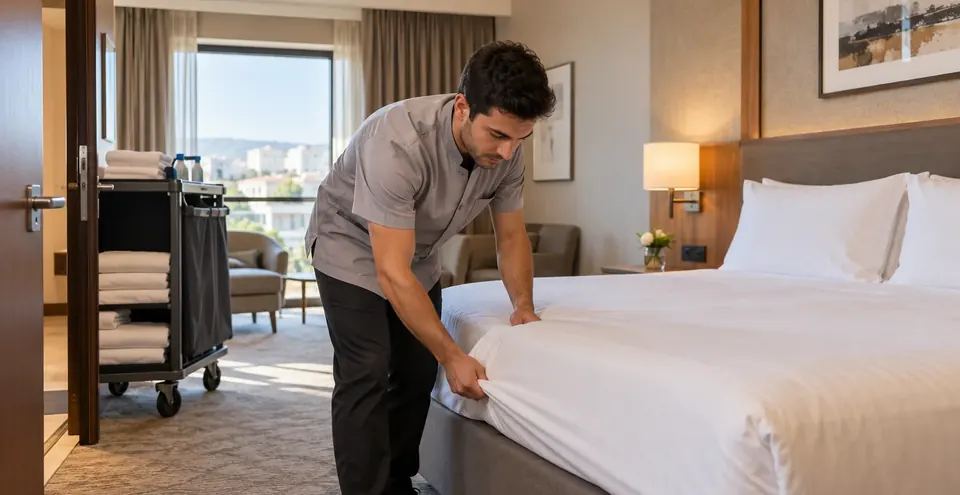
Common roles are waiter, bartender, cook, kitchen helper, housekeeper, receptionist, gardener, driver, boat hand and night watchman. Hostels often hire volunteers for reception, and this should be checked against labour law, since unpaid work in return for a bed can create legal problems. A proper contract avoids misunderstanding about hours, pay, meals and days off.
Spanish dominates daily work. English is highly valued in Granada, San Juan del Sur and the Corn Islands, where Creole English is also spoken, and guests come from the United States, Canada, Europe and neighbouring countries. German, French and Italian help a candidate stand out. A friendly manner, tidy appearance and good time-keeping count for as much as formal qualifications.
Nicaraguan cooking offers many dishes that kitchen staff must know: gallo pinto with eggs, vigoron, nacatamales, indio viejo, fried fish with tostones and quesillo, a soft cheese wrapped in a tortilla. Bartenders prepare Flor de Cana rum drinks, fresco drinks made from fruit and cacao, and cold beer. A cook who respects local recipes and hygiene rules will be useful anywhere.
Employers value initiative. A dishwasher who learns the stations of the kitchen, or a cleaner who notices small problems in a room before guests complain, soon becomes a candidate for promotion. Owners of small hotels talk to each other, so a good reputation spreads across Granada or San Juan del Sur quickly, as does a poor one after an abrupt departure without notice.
Lake Cocibolca adds a distinctive flavour. Restaurants on the shores of Granada and Rivas serve guapote, a freshwater fish, with tostones and cabbage salad, while Ometepe kitchens fry plantain and cook rice and beans over wood. Staff in these places learn to handle fish, to light wood stoves and to manage water supplies, abilities that are valued by eco-lodges around the lake and by chefs who move to the coast.
Pay, housing and conditions in seasonal hotel and restaurant jobs
- Tips are shared in some places and kept individually in others, so ask in advance
- Meals during shifts are common, while staff housing is less usual
- The year-end bonus known as aguinaldo forms part of legal entitlement
- Rest days, holiday pay and overtime follow the labour code
Rents in tourist towns such as San Juan del Sur and Granada can be high for local salaries, so workers frequently share rooms or live in nearby villages. Transport by chicken bus, shared taxi or motorbike is cheap but tiring after a late shift. Ask whether the employer helps with transport or lodging, and note any agreement in writing.
Health and safety matter in busy kitchens and on beach terraces. Staff should wear non-slip footwear, handle knives and hot oil carefully, and drink safe water throughout the shift. In humid places, the combination of heat and long hours causes fatigue, so rest breaks are not a luxury. Employers should keep a first-aid kit and know the closest clinic.
Tips deserve a clear agreement. The way these sums are shared varies, and disputes arise when it is unclear. Ask whether tips are pooled, who handles them and when staff receive their part, ideally with a short note in the contract.
Managua's fritangas, open-air grills that serve gallo pinto, grilled meat, fried cheese and cuajada on banana leaves, show another side of hospitality. Cooks, servers and dishwashers at these places work in the evenings, usually without formal contracts, and earn through steady customers. They are a good first step for a newcomer to learn the cuisine, but written terms and social security should still be requested whenever the owner can provide them.
Seasons for hiring
| Period | What happens | Hiring level |
|---|---|---|
| December to April | Dry season, surf swells, holiday crowds | High |
| Holy Week | Domestic travel to beaches and lakes | Short peaks |
| 7 and 8 December | La Purisima celebrations | Local bars and restaurants |
| May to October | Green season with rain | Lower, repair and training time |
Hurricane risk is highest on the Caribbean coast between June and November, and the Corn Islands can lose ferry or flight service during storms. Workers there should follow civil protection warnings, store food and water, and ask the owner about evacuation plans. Local knowledge, including advice from long-term residents, is valuable in these places.
Some hotels organise internal training for new staff before the high season. Sessions cover customer greeting, menu knowledge, hygiene and emergency procedures. Joining these sessions, asking questions and taking notes shows seriousness, and managers often remember who participated when selecting people for supervisory roles or for the more stable posts that remain after the season ends.
Weekends are the busiest time in most restaurants. Families from Managua travel to Granada, Masaya and the beaches of Pochomil and Montelimar on Saturdays and Sundays, and local celebrations such as patron saint festivals fill terraces. Staff should expect to work when others rest, and negotiate days off during the week, with extra pay when a public holiday falls on a working day.
Smaller beach towns such as Playa Gigante, Popoyo, Jiquilillo and Las Penitas operate on thin margins, so owners hire a few people for the dry months and rotate them with relatives. Many positions are filled before the season through messages among surfers, cooks and hostel managers. A reference from another owner, even a short WhatsApp note, is more persuasive than a long CV, and a fair trial day is usually offered.
Questions about hospitality work
Do I need to speak Spanish to work in a hotel in Nicaragua?
Almost always, yes. Even in tourist towns where English is common, kitchen teams, suppliers, officials and many guests use Spanish. Basic Spanish helps you understand schedules, safety rules and payment terms. A candidate who can speak both Spanish and English has a clear advantage, particularly in reception and bar work.
Is volunteering for a bed a legal alternative?
Hostels sometimes offer room and board for part-time help, but legal status depends on the activity and on migration rules. If the arrangement is really employment, it needs the proper authorisation. Ask the migration office and the hostel owner for written clarity, and avoid relying on informal promises that could cause trouble later.
When should I apply for the high season?
Apply around October and November, a few weeks before visitors arrive in numbers. Visit in person, ask for the manager, and leave a short CV with references. If you cannot travel yet, a message with your availability dates, languages and experience can lead to an interview when the owner returns from holiday.
Where to find these jobs
- Camara Nacional de Turismo de Nicaragua (CANATUR) — Private-sector tourism chamber that groups hotels, restaurants and operators and promotes training and fair practice in the sector.
Official and legal references
- International Labour Organization — United Nations agency with international standards on hours, rest and protection for hotel and restaurant workers, including written contracts.
- World Bank — International institution that publishes economic and tourism data on Nicaragua, helping explain how visitor numbers shape hotel hiring.