Honduras: seasonal holiday resort activity leader jobs, from dive teams to eco-tour guides
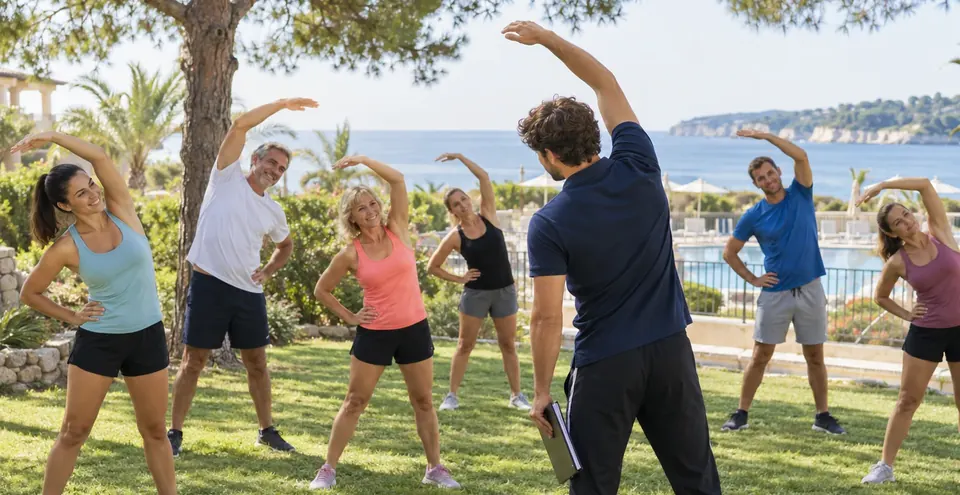
In Honduras, seasonal holiday resort activity leader jobs appear mainly in the island resorts of Roatan and Utila, the beach hotels of Tela and La Ceiba, and the eco-lodges near Copan and Lake Yojoa. Roles include dive instructor, snorkel guide, kayak leader, bird guide, children's host, sports coach and evening host. All-inclusive resorts are fewer than in other holiday countries, so jobs are small in number and often filled by locals. Certification, languages, first aid and child safeguarding determine who is hired.
This page in other languages : Español
Where leisure staff are needed
Roatan has the strongest market. Dive shops in West End, Sandy Bay and Camp Bay train beginners and take certified divers to the Mesoamerican Barrier Reef, the second largest reef system in the world. Snorkel boats, glass-bottom tours, zipline parks and a popular sloth and monkey sanctuary also hire guides and hosts for the cruise-ship days.
Utila is known for training divers and for seasonal encounters with whale sharks, so its shops need instructors, boat captains, compressor operators and front-desk staff. Guanaja and Cayos Cochinos, a marine reserve off the coast near La Ceiba, offer a quieter alternative for small lodges and research-oriented tourism.
On the mainland, Tela's beach hotels and the Garifuna villages of the north coast host dance evenings, drumming and cooking demonstrations. Pico Bonito National Park near La Ceiba and the Cangrejal River provide trekking and white-water rafting. Around Copan Ruinas, activity staff lead horseback rides, hot-spring visits, coffee tours, bird walks and guided visits to the Maya site.
Educational leisure work is growing. Marine reserves, turtle projects and forest lodges offer short programmes for visitors, and they need guides who can explain ecosystems clearly. Hondurans from local communities are often employed, because their knowledge of trails, tides and wildlife is hard to match. Foreign staff are usually specialists or volunteers under agreements with partner organisations.
Hotel entertainment on the north coast also includes live music with punta and Garifuna rhythms, which belong to the culture of the Garifuna people and are recognised internationally. Local musicians, dancers and storytellers are hired for evening shows, and respectful programmes allow guests to learn the history behind each song. Organisers should pay performers fairly and give credit to their communities.
Qualifications and languages
Dive work needs recognised instructor or dive master certification, valid medical clearance and often a rescue diver title. Boat captains require licences, and zipline or rafting guides must have safety training. For children's activities, first aid, supervision experience and a clear background check are strongly recommended, and many employers insist on them.
English is the working language in most island dive shops and a plus in all tourist areas. Spanish is needed on the mainland and for all dealings with local authorities and suppliers. German, French and Italian speakers are valued because divers come from Europe too. Good communication and patience matter as much as technical skill when you lead nervous beginners.
Sports and fitness leaders may run beach volleyball, football, yoga, aerobics or kayak sessions. Evening hosts organise quizzes, music nights and cultural shows with local performers. In smaller hotels, one person may combine reception, tours and entertainment, so versatility is a strong selling point, along with a cheerful and calm manner.
Training opportunities exist locally. Vocational institutes offer courses in tourism, languages and first aid, and international dive agencies run instructor programmes on the islands. Candidates who complete a recognised course before applying save employers the effort of training them, and they negotiate better pay. Keep every certificate in a protected folder and carry copies on the job.
Personal qualities carry weight. Employers look for punctuality, a friendly manner, resilience under sun and rain, and a willingness to work evenings and weekends when guests are free. A leader who notices a nervous guest, shares credit with colleagues and handles complaints calmly will earn trust faster than someone who focuses only on technical skills.
Employers in Honduras often ask for a short interview and a practical test. A dive operator may check your skills in the water, while a hotel manager may ask you to lead a short game or introduce a local excursion. Practise explaining safety rules in simple English and Spanish, and prepare to answer questions about emergency situations with calm, concrete steps.
Safety and child protection
- Never leave minors unsupervised near water, boats or ziplines
- Check equipment before every activity and keep records of checks
- Carry first-aid supplies and know the closest clinic or hyperbaric chamber
- Respect reef rules, wildlife distance and local customs
Weather and sea conditions can change quickly, particularly in storm season. A responsible leader cancels an activity when winds, waves or visibility are unsafe, even if guests are disappointed. Insurance for staff and guests should be confirmed before the season starts.
Child protection requires strict habits. Staff should never be alone with a child in a closed room, photographs of minors should be taken only with permission from a parent or guardian, and any concern about abuse should be reported to a supervisor and to the competent authority. Responsible resorts check references and train employees in these procedures before the season begins.
Environmental rules also apply. Touching coral, feeding fish or approaching nesting animals harms ecosystems and may break local regulations. A good leader models respect by keeping groups small, using reef-safe sun protection and removing litter. Guests often remember these examples long after the holiday ends, and they reflect well on the whole business.
Alcohol and late-night events require extra caution. Leaders should avoid drinking while on duty, watch for guests who are unwell and know when to call a medical service. In party settings, clear rules about behaviour protect staff and guests alike. Employers should provide secure transport home after late shifts, especially in places where streets are dark and taxis are limited.
Seasons and jobs
| Setting | Typical leisure job | Busy period |
|---|---|---|
| Roatan and Utila | Dive instructor, snorkel guide | December to April |
| Tela and La Ceiba | Beach host, rafting guide | Holiday weeks and May carnival |
| Copan Ruinas | Site and bird guide, rider | Dry months |
| Lake Yojoa | Bird guide, boat leader | Dry months |
Contracts are usually short and linked to the high season. Pay may combine a basic sum with tips, commissions or meals, and the terms should be written down. Ask who provides insurance, who covers certification renewals and what happens when cruise or flight cancellations reduce guest numbers.
Foreigners need a work permit tied to an employer, and many instructors work through a dive shop that arranges the paperwork. Volunteering at a lodge in exchange for housing is common, but it can attract legal attention if it replaces paid work, so ask the migration office before relying on such an arrangement.
Some leisure workers build a year-round life by combining tourist seasons. They may teach diving on the islands in the dry months, then lead river or forest tours near La Ceiba in the wetter period, or work as language teachers for part of the year. This flexibility requires savings, health insurance and good records of experience, which help in each new application.
Applicants should present themselves professionally. A short video showing teaching or guiding style, references from previous employers and a clear statement of availability dates make a good impression. Because many managers receive more applications than they can read, a personal message that names the resort, the role and the dates is more effective than a copied general letter.
Language learning is also a quiet advantage for leisure staff in Honduras. A leader who greets guests in English, Spanish, German and a few Garifuna or Creole phrases creates warmth right away. Small details such as pronouncing names correctly, remembering preferences and thanking local helpers show that the leader treats each visitor as a person and not as a number.
Questions about leisure jobs
Do I need a diving certificate to work on Roatan?
For diving work, yes. Instructors and dive masters must hold recognised certification, and shops check qualifications before hiring. For non-diving roles such as host, kayak guide or evening leader, other skills matter more, including languages, first aid and experience with groups. Training can sometimes be completed locally before starting.
Are there children's clubs in Honduran resorts?
A few larger resorts offer children's activities, mostly during school holidays and on weekends. Staff may be teachers, students or experienced hosts, and parents expect clear safety rules. Smaller lodges usually arrange family activities informally, such as swimming, craft sessions or nature walks, with a parent present.
Honduras: what is the best time to apply?
Apply before the dry-season peak, ideally a month or two before December. Send a short CV, certificate copies and references, then follow up by phone or message. Trial days are common, so be ready to start quickly and to provide a bank account or mobile payment details for salary.
Where to find these jobs
- Instituto Hondureno de Turismo (IHT) — Government tourism authority that registers guides and operators, promotes the Bay Islands, Copan and Pico Bonito and sets quality guidelines.
- Camara Nacional de Turismo de Honduras (CANATURH) — Private tourism chamber that gathers resorts, tour firms and dive operators and supports training for hospitality and leisure staff.
- Instituto Nacional de Formacion Profesional (INFOP) — Public vocational institute whose courses in tourism services, languages and first aid help candidates prepare for guide and host positions.
- Secretaria de Trabajo y Seguridad Social (STSS) — Labour ministry that supervises seasonal contracts, working hours and the registration of leisure staff with social security.
Official and legal references
- International Labour Organization — United Nations agency with standards on working hours, safety and decent conditions for tourism and recreation workers.
- World Bank — International institution publishing economic data on Honduras that explain tourism demand and the setting for resort employment.