Nigeria: seasonal holiday resort activity leader jobs at beach resorts, parks and holiday camps
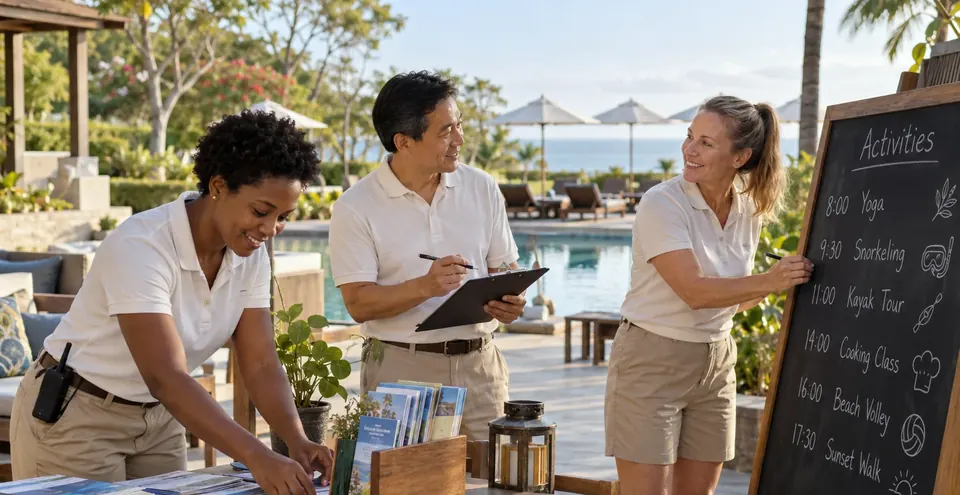
In Nigeria, seasonal holiday resort activity leader jobs cover guiding, sport, games and excursions at beach clubs, mountain resorts, game reserves and holiday camps, with the strongest demand in December and school holidays. Examples include Obudu Mountain Resort, Yankari Game Reserve, Ikogosi Warm Springs and the beaches of Lagos. Employers want energetic, reliable people who speak good English, know first aid and can look after children safely. The sector is smaller and less structured than in large holiday destinations, and foreigners need immigration approval before working.
What leisure work looks like in Nigeria
Nigerian leisure is shaped by family outings, weekend trips and large celebrations rather than package-holiday clubs. Resorts and attractions therefore rely on activity staff to run guided walks, boat rides, games, sports, pool sessions, children's programmes and evening entertainment. The scale ranges from a small beach bar organising volleyball on Sundays to a mountain resort handling thousands of visitors during a festival.
Several destinations employ seasonal leaders. Obudu Mountain Resort in Cross River State offers cable car rides, hiking and cool highland scenery, and Yankari Game Reserve in Bauchi State has safari drives and the Wikki Warm Springs. Ikogosi Warm Springs in Ekiti State, Erin Ijesha waterfalls in Osun State and the Lekki Conservation Centre in Lagos draw day-trippers who need guides, while Lagos beach venues host music, sports and water activities.
Animation as such is concentrated in hotels, private clubs and event companies. Animators host quizzes, karaoke, dance contests and children's shows, and large conferences and weddings use master-of-ceremonies and entertainment crews. Many of these roles are freelance and paid per event, so building a reputation through performances and recommendations is as important as having formal qualifications.
Entrepreneurial leaders also create their own seasonal work. A person with a boat licence can offer lagoon trips, a good footballer can run a holiday coaching clinic, and a dancer can lead a weekend workshop at a resort. These ventures need permission from the property owner, public liability cover and sensible pricing, but they show how initiative can turn a short season into a steady income.
Types of positions and busy periods
Resort guides lead nature walks, bird watching, game drives and cultural visits. They describe plants, animals and local history, explain safety rules and handle small groups. Pool and beach supervisors watch swimmers, organise games and enforce rules, while sports coordinators run football, volleyball, table tennis or aerobics sessions. Children's activity leaders prepare crafts, storytelling, treasure hunts and dance workshops during school holidays.
Peak periods follow the calendar. December is the strongest, with Christmas, the festive travel rush and events such as the Calabar Carnival. Easter, Eid and the long mid-year school vacation from July to September also bring families. Dry-season weekends from November to March are busy at game reserves and highland resorts, while the rainy season is quieter but still active at indoor venues and for conferences.
Contracts range from a few days to several months. Many leaders are paid per event or per shift, with food and sometimes transport included. Larger resorts hire on written terms and may offer accommodation on site. Because earnings can vary, applicants should compare the base pay, meal arrangements and possible tips, and ask whether the employer provides insurance for activities that carry risk.
| Activity | Typical venue | Skills asked for |
|---|---|---|
| Nature and wildlife guiding | Yankari, Gashaka-Gumti, Lekki Conservation Centre | Knowledge of species, English, first aid |
| Hiking and cable car hosting | Obudu Mountain Resort | Fitness, safety awareness, customer care |
| Pool and beach supervision | Lagos beach clubs, hotel pools | Swimming, rescue training, vigilance |
| Children's programmes | Resorts, schools, holiday camps | Child safety, creativity, patience |
| Evening shows and quizzes | Hotels, lounges, event venues | Presenting, music, crowd skills |
Qualifications, languages and personal qualities
Training can come from tourism colleges, polytechnics and universities that run hospitality, recreation and tourism courses, as well as from short programmes offered by the Industrial Training Fund and private academies. First-aid certificates, available through organisations such as the Nigeria Red Cross Society, are highly valued. Lifeguard and swimming-instructor qualifications matter for water activities, and drivers need a valid licence and experience with rough roads.
English is the official language and the most useful, but Pidgin helps with relaxed, friendly communication. Yoruba, Hausa, Igbo, Efik and other languages are important in local excursions and cultural tours. French can be an asset with guests from neighbouring countries, and some resorts welcome staff who can speak Arabic or Chinese for specific groups. Clear speech, humour and storytelling skills help leaders keep audiences engaged.
Employers look for stamina, punctuality and calm judgment. Leaders must keep to schedules in heat and rain, handle complaints politely and respect cultural and religious sensitivities, for instance concerning dress, alcohol or music in different regions. Honesty with money, for entrance fees and tips, is essential. A leader who treats guests and colleagues respectfully will quickly earn trust and be asked back.
Health and wellbeing are part of the job. Leaders spend long hours in sun and heat, so hats, water and breaks are necessary, and mosquito protection is advisable at evening events. Illness spreads quickly in group settings, so hygiene rules for hands, food and shared equipment should be followed carefully. A leader who looks after their own wellbeing is better able to look after guests.
Children, safety and regulation
The Child's Rights Act, adopted at federal level and implemented through state laws, protects children from abuse, exploitation and hazardous work, and anyone leading activities for minors should know its basics. Leaders should keep clear records of attendance, avoid unsupervised private contact, report concerns to managers and follow guidelines on photography. Parents expect that staff are screened, so references and identity documents are normally requested.
Physical safety needs equal attention. Beaches along the Atlantic coast have strong currents and surf, so swimming should take place only in supervised areas. Waterfalls and warm springs can be slippery, hiking trails demand proper footwear, and game reserves involve wild animals, so visitors must follow ranger instructions. Resorts should have first-aid kits, trained staff and an emergency plan, and leaders should ask to see them.
Foreign nationals cannot work as activity leaders on a visitor visa. They need a work authorisation and, for longer stays, residence permits issued through the Nigeria Immigration Service, usually with the sponsorship of an employer who can show that the skills are needed. Nigerian applicants should check licensing requirements for guides and operators, and avoid operators who lack proper permits or insurance.
Weather and security planning round out preparation. Storms can strike quickly in the rainy season, so activities need indoor alternatives and clear signals for ending an outing. Resort managers should also explain any local security arrangements and routes to the nearest clinic. Leaders should ask for these briefings on arrival and keep emergency numbers written down, because mobile signals can be weak in hills and reserves.
How to apply and common questions
Where can I look for activity leader posts?
Contact resorts, hotels, event companies, schools and tour operators directly, and follow notices from tourism bodies and universities. Social media pages of resorts often announce holiday vacancies. Visit in person during the quieter weeks, bring a short curriculum vitae and certificates, and offer a trial session to show your skills.
Are there holiday camps for children?
Yes, many private schools, churches, sports clubs and resorts run holiday camps in the long vacation and at Christmas. They hire coaches, art teachers, lifeguards and general helpers. Because most are small and informal, check the organiser's reputation, safety rules and payment terms before accepting a post.
How are leaders paid?
Pay depends on the venue and the contract. Some leaders earn a monthly salary, others daily or per-event rates, and tips may supplement income. Ask for a clear statement of pay, meals and transport, and check the national minimum wage and labour rules with the Federal Ministry of Labour and Employment.
Where to find these jobs
- Cross River State Tourism Bureau — State agency promoting Obudu Mountain Resort, the Calabar Carnival and other attractions that create seasonal guiding and events work.
- Nigerian Tourism Development Corporation — Federal tourism agency supporting destinations, festivals and training standards for guides and hospitality workers in Nigeria.
- Nigeria Red Cross Society — National humanitarian organisation that trains volunteers and staff in first aid, a skill required of activity leaders.
- Industrial Training Fund — Public body supporting vocational and skills training, including tourism, recreation and customer service programmes.
Official and legal references
- Federal Government of Nigeria — Official government portal with links to tourism, labour, youth and child protection ministries and agencies in English.
- Nigeria Immigration Service — Federal authority explaining visas, residence permits and the conditions for foreign nationals who wish to work in Nigeria.