Nigeria: seasonal fruit and vegetable picking jobs from Kano tomato fields to Ondo cocoa and Benue citrus
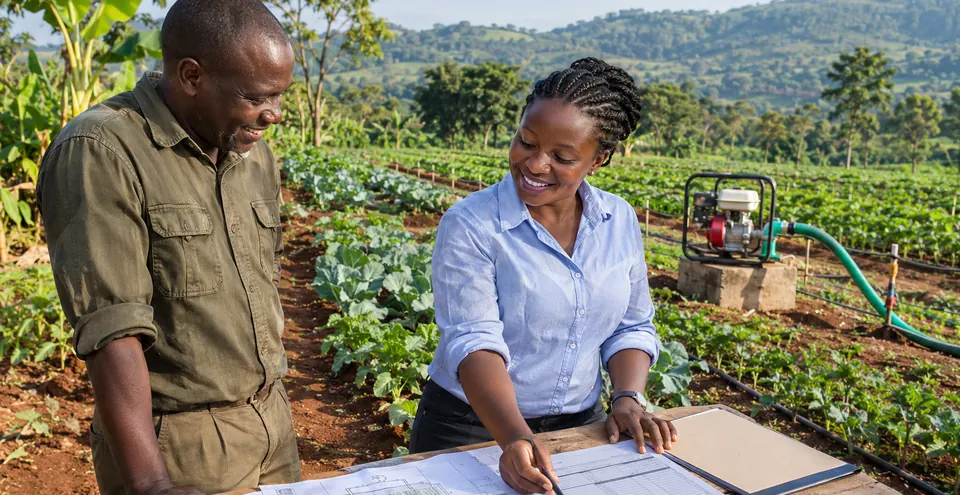
In Nigeria, seasonal fruit and vegetable picking jobs depend on the crop and the rain: tomatoes and onions in the northern dry season, oranges and mangoes around the middle belt, pineapples in the south-west and cashew and cocoa in their own months. Work is physical, mostly informal and arranged between farmers and gang leaders, with payment by the day, basket or task. Smallholders dominate production, so teams are small. Foreigners need work authorisation, while Nigerian pickers should agree rates, housing and transport before moving to a distant farm.
Where Nigeria's fruit and vegetables grow
The north is the country's vegetable basket. Kano, Kaduna, Katsina, Jigawa and Sokoto states grow tomatoes, onions, peppers, cabbages and leafy greens, much of it irrigated from dams and rivers during the dry season. Plateau State, with its cooler uplands around Jos, supplies potatoes, carrots and other vegetables. Markets in Kano, Jos and Kaduna then send produce by road to cities in the south.
The middle belt and south carry the tree crops. Benue and Kogi states are known for oranges and mangoes, Ogun, Osun and Edo for pineapples and plantains, and Kogi, Enugu and Oyo for cashew. Cocoa dominates the south-west in Ondo, Ogun and Osun, and Cross River also produces it, while oil palm bunches are harvested in Edo, Delta, Akwa Ibom and Cross River. Banana and plantain are grown in many humid areas.
Farms are mostly small, family-run and mixed. A tomato plot may cover only a few hectares, and pickers are often relatives, neighbours or workers brought by a gang leader. Large estates, such as commercial oil palm or fruit plantations, do exist, but they too depend on temporary labour at peak times. Perishability makes timing critical, so harvesting is rapid and often starts before sunrise.
Post-harvest handling is a source of jobs of its own. Sorting sheds, washing points, packing yards and loading bays employ women and men who grade fruit, remove damaged pieces and fill baskets, crates or sacks for trucks. Tomatoes, in particular, bruise easily, so careful packing reduces losses on the long road to southern markets. These tasks are often better shaded than field work and attract older workers or those who prefer to avoid ladders.
Harvest calendar and crop tasks
Tomatoes in the north are planted after the rains and picked from the later months of the year through the dry season, with a second, smaller period at other times. Onions follow a similar dry-season pattern in Sokoto, Kebbi and Kano. Pickers pull plants or cut bulbs, sort them by size, fill baskets and carry them to roadside collection points, where traders weigh and load trucks.
Orange and mango harvests in Benue, Kogi and neighbouring states follow the rainy season, with trees picked using poles, ladders or by climbing. Pineapples are cut by hand with a knife, leaving the crown on the plant, and carried out in baskets or sacks. Cashew apples fall at the end of the dry season, and workers collect the nuts, which are dried and sold for processing, while the juicy fruit is often left or used locally.
Cocoa pods are cut with a machete or hooked knife and opened to extract the beans, which are fermented and dried. The main crop usually comes in the later part of the year, with a lighter mid-season harvest earlier. Oil palm fruit bunches are cut with a long chisel on a pole or by climbing, a dangerous task that needs training. Good harvest crews rotate roles to share the load.
Weather can disrupt everything. Early rains may delay planting, late rains may rot fruit, and flooding in river valleys can wipe out a crop within days. Pickers should ask how the farm handles lost days, since some pay only for time worked while others offer a small retainer. Having a second source of income, such as petty trading or a family plot, softens the impact of a poor season.
| Crop | Main states | Typical harvest window |
|---|---|---|
| Tomatoes | Kano, Kaduna, Plateau | Late rainy season through dry months |
| Onions | Sokoto, Kebbi, Kano | Dry season |
| Oranges and mangoes | Benue, Kogi, Nasarawa | Rainy season and just after |
| Pineapple and plantain | Ogun, Osun, Edo | Several periods in the year |
| Cocoa | Ondo, Ogun, Osun, Cross River | Main crop late in the year, light crop earlier |
Pay, pace and living conditions
Payment methods vary. Many pickers earn a daily wage, others are paid by the basket, sack or crate, and gang leaders sometimes take a share for organising the team. Rates change with crop, region and year, so any figure heard from others should be checked with the farm owner. The national minimum wage applies to formal employment, but casual farm arrangements often fall outside it, which is why written agreements are important.
The work is tiring. Mornings can be pleasant, but the midday sun is fierce in the north, and the humid south brings heat and mosquitoes. Pickers carry heavy baskets, bend for long periods and walk over rough ground. Drinking water, shade and breaks are essential, and a good employer provides them. Without protection, workers can suffer heat exhaustion, cuts, snake bites and back strain.
Accommodation depends on distance. Local workers go home after each day, while migrants may sleep in farm sheds, in a village compound or in rented rooms. Facilities can be basic, with shared sleeping areas, open kitchens and limited sanitation. Ask who provides food, how the cost is deducted and how the return journey will be paid, and avoid sleeping outdoors in malarial areas without a net.
Safety, law and avoiding exploitation
Agrochemicals are widely used on vegetables and cocoa, and pickers should ask which sprays have been applied and when. Gloves, long clothing, boots and a mask reduce exposure, and workers should wash before eating. The Labour Act covers working conditions and compensation for injuries, while the Child's Rights Act protects minors from hazardous work. Children should never be asked to handle chemicals, use machetes or carry heavy loads.
Foreigners cannot take agricultural jobs without authorisation from the Nigeria Immigration Service, and employers who hire expatriates must follow quota and permit rules. Casual migrant labour inside the country, by contrast, is common, and workers from poorer regions travel to farm belts each year. If an intermediary offers transport and housing in exchange for a share of wages, insist on knowing the farm name, location and terms.
Security can be a concern in some farming areas, where clashes or banditry have disrupted agriculture. Check local information and official travel advice, work in groups where possible, and share your location with relatives. Avoid recruiters who ask for fees, hold documents or prevent you from leaving. If you are being exploited, contact the police, the labour office or a recognised non-governmental organisation.
Health care is another practical issue. Malaria is widespread, clean drinking water may be scarce, and the nearest clinic can be far from remote farms. A basic first-aid kit, oral rehydration salts and mosquito protection are sensible, and workers should know where to go in an emergency. Employers should arrange transport if someone is injured, and compensation rules apply to workplace accidents.
Practical questions about harvest work
How do I find a picking job?
Most work is found through village networks, farm gangs and market contacts rather than adverts. Visit farming communities during the planting or harvest period, speak to farm owners or leaders, and ask other workers about payment reliability. State agricultural offices and farmers' associations can also point to growers who need help.
Is the work paid by the day or the quantity?
Both exist. Daily wages are common for weeding and general tasks, while picking is often paid by the basket, crate or sack. Clarify the unit, the rate and the payment day before starting, and keep your own tally of what you pick to avoid disputes at weighing time.
Nigeria: what should I bring?
Bring a hat, sturdy boots, long sleeves, water, a mosquito net and any personal medicines. Carry identification and a copy of any agreement, and keep money in a safe place. Ask whether tools such as knives, baskets and gloves are provided or must be bought.
Where to find these jobs
- Federal Ministry of Agriculture and Food Security — Federal ministry responsible for crop policy, extension services and programmes supporting farmers and agricultural jobs nationwide.
- National Horticultural Research Institute — Research institute in Ibadan working on fruit and vegetable production, post-harvest handling and training for growers.
- Cocoa Research Institute of Nigeria — Research body in Ibadan that supports cocoa farmers with improved varieties, farm practices and advice on harvesting and processing.
- All Farmers Association of Nigeria — National farmers' association representing growers and advocating for access to inputs, finance, markets and fair working practices.
Official and legal references
- Federal Government of Nigeria — Official government portal linking to the ministries and agencies responsible for agriculture, labour and rural development in English.
- Food and Agriculture Organization of the United Nations — United Nations agency publishing English information on crops, rural employment and agricultural development in Nigeria and worldwide.