Moldova: seasonal holiday resort activity leader jobs in camps, wine tourism and rural guest houses
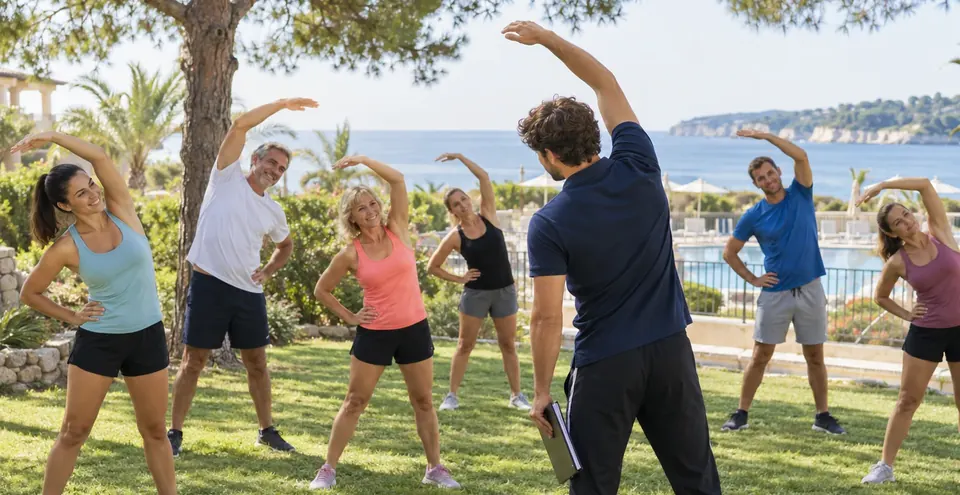
In Moldova, seasonal holiday resort activity leader jobs are limited, because the country has no sea coast, cruise industry or large all-inclusive resorts. Opportunities exist in children's summer camps, spa and recreation centres, wine tourism, rural guest houses and guided excursions to monasteries and nature reserves. Leaders animate groups, organise games, sports and crafts, and accompany visitors. Romanian and Russian are the main languages, English is valued, and anyone working with minors must expect checks and references, while foreigners need authorisation before taking up a post.
What exists in Moldova
The first thing to understand is the scale. Moldova does not have the club-hotel industry found along Mediterranean coasts, so a career as a professional animator is difficult to build here. Leisure work is organised through summer camps for children, local municipalities, recreation centres, wine tourism companies and small operators who offer excursions and rural experiences in the countryside.
Children's camps are the largest group. Every summer, camps in wooded areas around Chișinău, Orhei and Codru receive children for one or two weeks, with programmes of sports, arts, nature walks and evening games. Camps are run by municipalities, companies, churches and non-governmental organisations, and they recruit counsellors, sports instructors and cooks, often among students and teachers during the school break.
Tourism adds a different kind of leader. Guides lead visitors to Orheiul Vechi, Saharna, Căpriana monastery and the fortress of Soroca, and wine tour companies organise cellar visits, cycling in vineyards and traditional meals with music and dance. Rural guest houses offer cooking classes, bread baking and farm activities that need hosts able to entertain groups in several languages.
Many camps run in fixed shifts, called serii, lasting about two weeks, and counsellors may work one or several of them. A typical day begins with morning exercise, followed by breakfast, workshops, sports, a swim or a walk and an afternoon rest, then evening games, a campfire or a disco. Teams meet before and after each day to share observations and plan activities, which makes organisation and discipline as important as creativity.
Skills and qualifications
Counsellors need energy, patience and teamwork. Experience with youth groups, school clubs, scouting or sports is valued, and first aid training is an advantage. Camps prefer people who can lead a game, sing, draw or organise a talent show, and they appreciate those who remain calm when children become tired, homesick or excited. Evening duty is common, so rest during the day is essential.
Guides and tour hosts need knowledge of history, wine and culture. They should know the story of Moldovan winemaking, the legends of the monasteries and the geography of the rivers and hills. Languages are essential, particularly Romanian, Russian and English, and sometimes French, German or Italian for visitors from Europe. A license for guiding may be required for certain routes.
| Activity | Typical requirement | Main season |
|---|---|---|
| Camp counsellor | Youth experience, first aid, references | June to August |
| Sports instructor | Coaching skills, safety knowledge | Summer |
| Wine tour host | Knowledge of wine, languages | May to October |
| Monastery and heritage guide | History, languages, guiding authorisation | April to October |
| Rural stay host | Cooking, hospitality, languages | Spring to autumn |
Cultural activities give Moldova a distinctive flavour. Children and visitors enjoy learning folk dances such as the hora, making ceramics, painting Easter eggs in spring and listening to songs accompanied by the cobza or the nai. Counsellors who can teach such traditions, or simply organise a themed day, bring variety to programmes. Knowledge of local legends and customs also helps tourist hosts present the country convincingly to visitors.
Safety of minors and legal basics
Child protection is a serious matter. Camp organisers should check identity documents and references, and they may request a certificate showing no criminal record for staff working with children. Counsellors must follow supervision rules, avoid being alone with a child in closed spaces and report any incident immediately. Parents expect clear communication about medication, allergies and emergency contacts.
Swimming and outdoor activities require extra caution. Lakes, rivers and pools should be supervised by qualified lifeguards, and hiking excursions need adequate preparation, water and adult supervision. Activity leaders should know the location of the nearest medical centre and the emergency number 112. Responsible organisers carry insurance and train their staff before the first group arrives.
Contracts and permits complete the picture. Moldovan citizens are covered by the Labour Code, and short contracts are possible for camp staff. Foreign nationals need work authorisation from the migration authorities, and volunteering without proper status can still raise legal problems. Ask the organiser exactly what documents will be provided, who pays for insurance and how your pay is calculated.
Nature and sports add further tasks. Camps near forests organise orienteering, volleyball, football, table tennis and swimming in rivers or pools, while tourism providers offer cycling through vineyards, horse riding and boat trips on the Dniester. Leaders need basic first aid, an understanding of safety rules and the ability to adapt to the weather, since summer thunderstorms can interrupt an excursion within minutes.
Pay, lodging and how to apply
Remuneration in camps and tourism is usually modest, so lodging, meals and the experience itself form an important part of the package. Staff typically live in the camp or in shared rooms, eat in a canteen and work irregular hours with a rest day rotated among the team. Compare the total offer, and ask how pay is made and when.
Applications are made directly. Camps publish calls in spring on their pages and social networks, and municipal youth departments and non-governmental organisations also recruit counsellors. A short curriculum vitae in Romanian or English, a letter that describes your experience and a list of languages is enough. Many organisers interview by phone or in person in Chișinău, and prefer people who can commit for the whole camp period.
For wine and heritage tourism, contact tour companies, wine estates and guest houses. Offer a trial day, bring a short presentation of your skills and be ready to demonstrate a game, a story or a short tour. If you are a student of tourism, languages or education, ask your university about internships and partnerships with local operators, which can lead to seasonal contracts.
Working abroad as an animator is common for Moldovan young people, and some return with ideas and skills that improve local programmes. If you are a foreigner interested in volunteering, ask organisations about legal frameworks, because unpaid work still requires correct status. Honest expectations help everyone, and the best experiences come to those who see Moldova as a place to learn, share and work with local teams.
Training before the season is worthwhile. Short courses in first aid, youth work, tour guiding or foreign languages are offered by universities, non-governmental organisations and language schools in Chișinău, often at modest prices. A certificate shows employers that you are serious, and the contacts you make in class sometimes lead directly to a camp or tourism job in the following summer.
Questions from future activity leaders
Can I work as an animator in a seaside club in Moldova?
No, since there is no sea coast. Leisure work consists of children's camps, recreation centres, wine tourism and rural stays, which are smaller and more local.
Do I need to speak Romanian?
For camps, Romanian or Russian is nearly always needed because children and parents use them. English is enough only in some tourist roles that serve international groups.
What age is required?
Camps often accept students aged eighteen or older, and sometimes younger assistants working under supervision. Organisers decide according to their rules and the law on child protection.
Where to find these jobs
- National Employment Agency of Moldova — The public employment service that publishes seasonal vacancies, including camp and tourism posts, and registers jobseekers in all districts.
- Cricova winery — A leading wine producer near Chișinău that runs guided cellar tours and tastings and employs hosts and guides for visitors.
- Bureau for Migration and Asylum — The state authority that issues work authorisations to foreign nationals and explains the legal conditions for temporary employment.
- Chamber of Commerce and Industry of Moldova — The business organisation that connects tourism operators and employers and provides information on regulations and company contacts.
Official and legal references
- Moldova official tourism portal — The national tourism website in English presenting monasteries, wine routes, rural stays and events that structure the leisure calendar.
- Government of the Republic of Moldova — The official government portal in English with information on youth policy, employment rules and services for visitors and workers.