Albania: seasonal hotel and restaurant employment opportunities on the coast and in the Alps
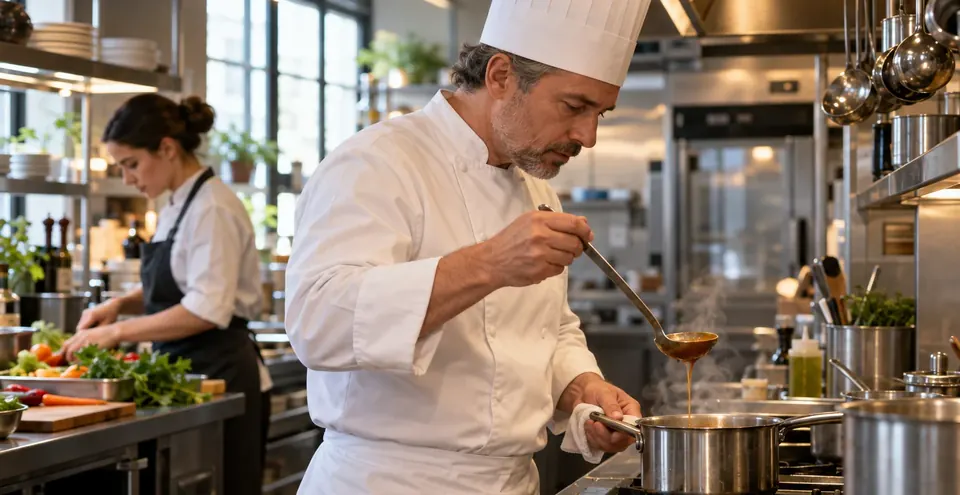
Albania's seasonal hotel and restaurant employment opportunities are short contracts in beach hotels, seafront restaurants, guesthouses and city venues that expand when visitors arrive. The season runs mainly from May to September on the Adriatic and Ionian coasts, with July and August as the peak, and from June to September in the mountain villages of Theth and Valbonë. Posts include waiters, cooks, dishwashers, chambermaids, receptionists and bartenders, and languages such as Italian, English and German are valued. The Labour Code applies, yet cash payments are common, so careful agreements matter.
This page in other languages : Français
The tourist calendar
Albania has become a popular summer destination, and its hotels follow a clear calendar. Owners start preparing in March, repairing rooms and painting terraces, and recruitment for waiters, cooks and cleaners takes place in April. Most seaside establishments open between the end of April and the first days of May, reach full occupancy in July and August, and wind down in late September.
Weekend and event business adds shifts outside the summer. Weddings are a major source of work in Albania, with large banquets held in restaurants and hotels near Tirana, Durrës and Shkodër from spring to autumn, and they need cooks, servers, drivers and cleaners for a single day or an entire weekend. Workers who are known to organisers are called back repeatedly, which turns casual shifts into a steady income.
Food and service styles vary from place to place. Seafront restaurants in Durrës, Vlorë and Sarandë serve grilled fish, seafood, olive oil salads and tave kosi, while mountain guesthouses offer home cooking with cheese, flija, lamb, corn bread and herbal tea. Staff who can describe dishes, recommend raki or local wine, and handle special diets are valued, because guests enjoy hearing how food is grown and prepared.
Different coasts have different patterns. Durrës and Golem attract families from Kosovo, North Macedonia and the Albanian diaspora, with large hotels and apartments; Vlorë and Orikum combine city and beach; Sarandë, Ksamil and Himarë draw visitors from Italy, Poland, Germany and the United Kingdom, who arrive by ferry from Corfu or by air at Tirana. Shëngjin and Velipojë in the north serve a more regional public.
Away from the sea, Tirana runs a more even calendar, with business guests, conferences and weekend diners. Berat and Gjirokastër welcome cultural tourists in spring and autumn, Pogradec and Lake Ohrid attract summer visitors, and the northern guesthouses of Theth and Valbonë depend on hiking from June to September. Winter work is limited to Tirana and a few ski guesthouses at Dardhë.
Roles and skills
The most common seasonal jobs are waiter, kitchen assistant, cook, grill chef, pizza maker, bartender, barista, room attendant, laundry worker, receptionist, beach attendant and driver. Experienced chefs and managers are scarce, so they negotiate better terms. Employers often prefer people who have worked in a restaurant before, but young newcomers are accepted for entry-level tasks.
Beach service is a distinct world. Sunbed attendants, beach bar staff and lifeguards work long days in the sun, setting up umbrellas at dawn and clearing them at night. Municipal rules in some resorts regulate the number of sunbeds and the use of the public shore, so employers need to comply. The work suits energetic young people, but it demands patience with guests and sun protection.
Albanian is the main working language. Italian is widely understood because of long television and trade links, English is the language of most tourist contact, and German, Greek and Russian are useful in particular places. Greek helps in the south, near the Greek minority areas around Dropull and Himarë, while Polish is increasingly requested at beach resorts.
| Role | Peak months | Typical places |
|---|---|---|
| Waiter or waitress | June to September | Sarandë, Ksamil, Durrës |
| Cook and kitchen assistant | May to September | Coast and Tirana |
| Chambermaid | July and August | Resort hotels |
| Receptionist | May to September | Vlorë, Himarë, Pogradec |
| Guesthouse host | June to September | Theth, Valbonë |
Conditions, housing and pay
The Labour Code requires a written contract, weekly rest and paid leave, but long hours in peak weeks are common in tourism. Ask in advance about the number of working days in a week, whether overtime is paid, and how meals are handled. A fair employer states these points clearly, and a worker who keeps a record of hours can prove them if a dispute arises.
Health and safety rules apply even in small family restaurants. Kitchen staff must keep food at safe temperatures, use clean utensils and wash hands often, and managers are responsible for training. Staff in hotels handle linens, chemicals and heavy trays, so protective gloves and good footwear are important. A worker who is injured should seek treatment and report the incident, since employers owe protection in line with the Labour Code.
Hotels in Sarandë, Vlorë and Durrës often supply staff rooms, though quality varies, while smaller businesses expect workers to rent a room. In July and August rents on the coast rise sharply, so early planning saves money. Some employers organise transport or a shared house, which is useful if a late shift ends when buses have stopped.
Wages are agreed between employer and worker, with a legal minimum that the ministry responsible for labour sets and updates. Tips are customary in restaurants and bars, and some businesses share them. Because exact figures change, check the current minimum wage with the State Labour Inspectorate and ask whether social insurance will be paid on your full salary.
How to apply
Apply in March and April, with a concise curriculum vitae in Albanian or English and a photograph. Send it by email or messaging application, then follow up with a call. Visiting restaurants in person at quiet hours often works better than a long email. References from earlier employers, even from another country, give confidence to owners who rely on trust.
Seasonal contracts often end suddenly when occupancy drops in September, so plan the next move early. Ask the manager whether any posts remain through October for olive season events, weddings or the quieter autumn trade, and whether your work can be recommended to a hotel in Tirana. A positive reference from this season is the most valuable asset for the next one.
- Ask for the contract before you leave your home town.
- Find out whether staff meals and rooms are free or deducted.
- Check how tips are divided and when wages are paid.
- Learn basic Albanian phrases for greeting guests and describing dishes.
Foreigners need the right authorisation before they take paid work, and a short stay as a visitor is not enough. Training centres and vocational schools in Tirana and Durrës offer hospitality courses, and graduates are recruited by hotel owners. Check the current procedure with the National Agency for Employment and Skills, and ask the employer whether they will support the application and cover any fees involved.
Questions about hospitality work
Do hotels need staff who speak Italian?
Italian is helpful, especially in Durrës, Vlorë and the south, where Italian guests have long been regular visitors. English remains the main language of service, and a candidate who speaks both Italian and English is often preferred. Where Polish, German or Greek guests are common, those languages give an advantage as well.
Is cash payment normal?
It is common in small businesses, but it is not a substitute for registration. A worker paid in cash can ask for a written statement and for social insurance contributions, which matter for health care and pensions. If the employer refuses, record the dates and amounts and consult the labour inspectorate.
How long does the season last in the mountains?
In Theth and Valbonë the guesthouses open once the snow has melted and the roads are passable, usually in June, and remain open until September or early October. Winter is quiet, apart from some ski activity at Dardhë. Staff are often family members and local people, so outsiders need an introduction or a long-standing relationship.
Where to find these jobs
- Albanian Hotel Association — Professional body representing hotels and tourism enterprises that discusses standards, training and employment with the authorities.
- National Agency for Employment and Skills — Public employment service that lists vacancies, registers job seekers and runs training courses including hospitality qualifications.
- State Labour Inspectorate — Public authority that checks contracts, working hours and social insurance in hotels and restaurants and handles worker complaints.
- Albanian Investment Development Agency — Government agency supporting tourism investors and publishing information on the hospitality sector and its employers in Albania.
Official and legal references
- Albania Tourism — Official English-language portal presenting beaches, cities, mountains and accommodation across Albania for visitors and the industry.
- Albanian Investment Development Agency — Official English information on the tourism sector, licensing, investment and business conditions that employers in Albania face.