Samoa: seasonal fruit and vegetable picking jobs on Upolu and Savai'i plantations
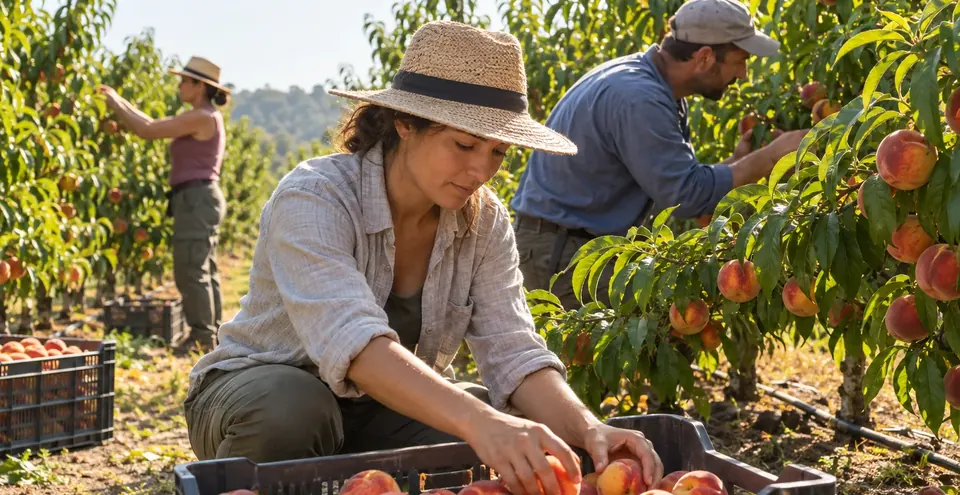
In Samoa, seasonal fruit and vegetable picking jobs are mostly informal tasks on family-owned plantations rather than organised harvest campaigns. Villagers dig taro, cut bananas, pick breadfruit, papaya and cocoa pods, and gather coconuts for copra and oil on Upolu and Savai'i, then sell produce at the Fugalei and Salelologa markets. Labour is largely supplied by extended families under the matai system, so outsiders rarely find advertised posts. Many Samoans instead travel to New Zealand and Australia, where regional schemes recruit them for orchards and vegetable farms.
Crops, land and the farming year
Samoan farming rests on customary land held by families. Plantations lie inland from the coast on Upolu, where volcanic soils and good rainfall support taro, bananas, cocoa and coconut palms, and on the broad lava plains of Savai'i, where villages tend gardens among older flows. Taro is the cultural staple, and it is planted, weeded and harvested by hand through the year, with peak sales before big feasts and family events.
Tree crops follow gentler schedules. Breadfruit, locally called ulu, bears in waves, papaya fruits across many months, and coconuts drop continuously. Cocoa pods are collected and fermented by small growers and by processors on Upolu who make chocolate and oil. Noni, kava and vanilla provide further income for some households, and vegetables such as cucumbers, tomatoes and cabbage are grown near Apia to supply hotels.
The wet season from November to April speeds growth but increases the risk of cyclones, which can flatten banana plants and damage tree crops. The drier months are better for clearing, harvesting and drying copra, and market activity rises before Christmas and White Sunday. Because the farming year follows family needs, work is often organised around occasions rather than around a fixed calendar.
Land use and village decisions affect who works where. Families allocate plots among relatives, and the matai decides on major matters such as planting for a church feast or a contribution to a village project. A newcomer who wants to help should speak with the family head, offer assistance without expecting payment and be patient. In time, trust may bring regular tasks and sometimes a small payment.
Tasks and how people are paid
Typical tasks include clearing bush with a knife, planting taro suckers, digging corms, cutting banana bunches and carrying produce to roadside stalls or vehicles. Copra making involves splitting coconuts, scooping and drying the flesh in the sun. The work is physical, hot and humid, and early starts help avoid heat. Gloves, boots and long clothing protect against cuts and insects.
| Crop | Typical work | Main areas |
|---|---|---|
| Taro | Planting, weeding, digging | Upolu interior, Savai'i villages |
| Banana | Cutting and carrying bunches | Upolu plantations |
| Coconut | Collecting nuts, making copra | Coastal villages on both islands |
| Cocoa | Picking pods, fermenting beans | Upolu smallholdings |
| Breadfruit and papaya | Picking and market sales | Family gardens everywhere |
Payment often follows custom. A family may share food and a share of the harvest with those who help, or pay a small cash sum at the end of the day, and market sellers keep what the stall earns. Formal wage rates exist on larger commercial farms and in processing, but they are modest and vary. Agree in advance what the help will receive and whether meals are included.
Labour standards still apply on farms that hire workers. Safe equipment, drinking water, rest and protection against sun and chemicals are basic needs, and the labour ministry handles complaints. Informal helpers on village land may have little legal protection, so unusually heavy work or hazardous tasks should be avoided without clear arrangements and insurance.
Market selling is itself a seasonal job. Early on a market morning, stalls at Fugalei in Apia fill with taro, bananas, coconuts, green vegetables, fish and cooked food, and sellers from outlying villages travel by bus overnight to arrive in time. Growers who invest in cut flowers, ginger or vegetables for the hotel trade can earn more, but they need reliable transport, ice and a regular buyer. The work starts well before sunrise and ends once the produce is sold.
Overseas harvest schemes
Seasonal harvest work for Samoans has become largely international. Under the Recognised Seasonal Employer scheme in New Zealand and the Pacific Australia Labour Mobility scheme in Australia, workers are recruited for kiwifruit, apples, grapes, vegetables and packhouse work. Selection is arranged through national channels, and employers abroad provide contracts, accommodation arrangements and pastoral care according to the scheme rules.
Anyone interested should register through the Ministry of Commerce, Industry and Labour rather than through private intermediaries. Check the contract length, travel costs, deductions for housing and the arrangements for return. Workers who maintain good records and perform well can be invited back in later seasons, while remittances sent home support families, churches and village projects across Samoa.
Time away has social consequences. Workers leave families and village duties, and their return must be planned around church obligations, family occasions and land responsibilities. Training in budgeting and health is available through some programmes, and local organisations help workers invest savings in housing, plantations or small enterprises on Upolu and Savai'i.
Health and safety deserve thought. Sun exposure, heat exhaustion, dehydration and snakebite are not the main risks in the Pacific, but cuts, infections, mosquito-borne illness such as dengue and back strain from carrying loads are common. Clean water, rest and prompt treatment of wounds make a difference, and hospitals in Apia and Savai'i provide care. Use repellent in the wet months, and keep vaccinations up to date as advised by health authorities.
Rules for visitors and foreign workers
A foreigner cannot simply join a plantation as paid labour. Immigration rules require authorisation for employment, and customary land belongs to families whose consent is needed for any activity. Visitors who wish to join village work should do so as guests, observing protocol, and should not expect payment. Offers of paid farm work to tourists should be treated with caution.
The Ministry of Agriculture and Fisheries supports growers with extension advice, plant health services and market information, and the Samoa Association of Manufacturers and Exporters helps producers of processed goods such as oils and cocoa. Farmers interested in exports must meet quarantine rules, since many markets restrict imports of fresh produce from the Pacific.
Farm visits can also be arranged as short cultural experiences. Some families open their plantations to guests who want to see how taro is grown or how cocoa becomes chocolate, and a guide from the household explains each step. This is a modest source of cash that does not require heavy labour, and it keeps knowledge of traditional farming alive among young people.
- Ask the family or village council for permission before entering any garden or plantation.
- Wear sun protection, sturdy footwear and carry water, as shade can be far from the plots.
- Agree in advance whether help is voluntary, shared in produce or paid in cash.
Frequently asked questions
Are there commercial fruit farms that hire seasonal pickers in Samoa?
Commercial farming is limited and mostly small scale, with some banana, cocoa and vegetable growers hiring local labour. There is no large organised picking season like those found in temperate orchards. Most opportunities arise informally through families and neighbours.
How do Samoans find overseas picking work?
They register through national authorities that manage the New Zealand and Australian schemes, and employers abroad choose from approved lists. Workers should avoid paying agents who promise guaranteed places and should check all costs in writing.
What is the hardest part of farm work in Samoa?
Heat, humidity and carrying heavy loads along tracks are the main challenges. Rain can make paths slippery, and insects are frequent. Good preparation, regular drinking breaks and respect for local pacing make the work manageable.
Where to find these jobs
- Ministry of Agriculture and Fisheries — Government ministry giving advice to farmers on crops, plant health and fishing, and managing quarantine and market services.
- Ministry of Commerce, Industry and Labour — Ministry that manages Samoan participation in overseas seasonal work schemes and oversees local labour standards.
- Samoa Association of Manufacturers and Exporters — Business association supporting producers and exporters of processed agricultural goods such as coconut oil and cocoa.
- Samoa Chamber of Commerce and Industry — Business body connecting growers, processors and traders with market opportunities and training for members.
Official and legal references
- Government of Samoa — Official portal listing ministries, notices and public services including agriculture, labour and immigration information.
- Samoa Tourism Authority — Official site describing island regions, markets, village life and the seasons that affect rural work.