Solomon Islands: seasonal fruit vegetable picking jobs, cocoa, copra and garden harvests
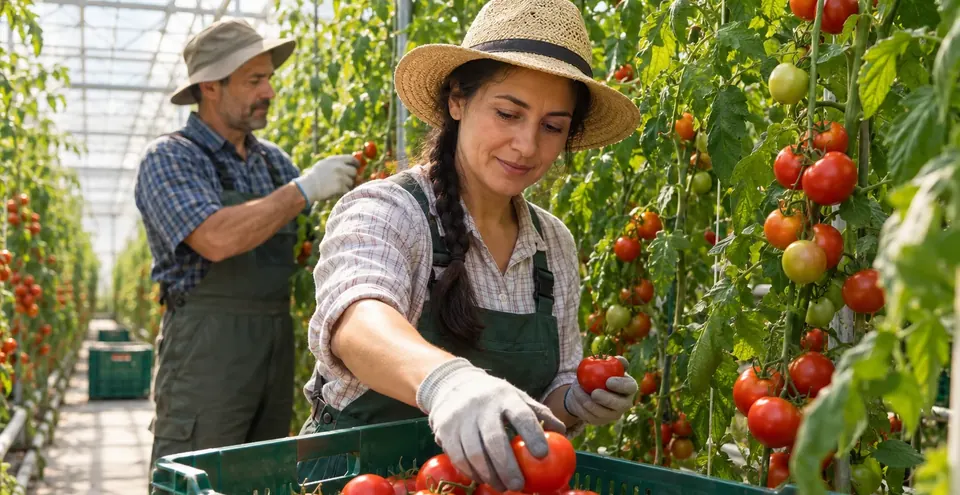
In the Solomon Islands, seasonal fruit vegetable picking jobs exist mostly as informal village and market work rather than as large commercial harvests. Families grow taro, sweet potato, cassava, bananas, pineapple, papaya and leafy greens, and sell surplus in markets such as Honiara Central Market. Commercial crops include cocoa, copra and palm fruit, harvested on smallholdings and estates. Land is customary, wages are modest and arrangements are personal. Foreigners cannot take paid farm work without official authorisation and landholder agreement.
Gardens, markets and the main crops
Most households in the archipelago maintain gardens, often cleared by cutting and burning small patches in the forest and rotating plots over time. Staples include sweet potato, taro, cassava, yam and cooking banana, while pineapple, papaya, watermelon, coconut and ngali nuts provide fruit and snacks. Leafy greens such as slippery cabbage and island cabbage are picked daily.
Produce travels to market by truck, canoe and ship. Honiara Central Market is a vivid centre where women sell vegetables, fruit, betel nut and fish, and where farmers from Guadalcanal and Malaita arrive early. Gizo, Auki and Munda have smaller markets. Harvesting for sale is largely the work of families, and hiring outside the household is occasional.
How picking is done
Picking is manual and light equipment is common: a machete, a basket, a digging stick and a sack. Women carry much of the harvest and the market selling, often walking long distances or paying for a place on a truck or boat. Work starts at first light to avoid the heat, and it ends with sorting, washing and bundling for sale.
Seasonality matters even in the tropics. Some fruits fruit more heavily in specific months, such as mangoes in the drier season and pineapple in the wetter months, while ngali nuts and breadfruit have their own cycles. Households plan their meals and sales around these periods, and market sellers advertise what is fresh.
Shell money, carvings and woven goods are sold beside vegetables, and selling at market is a skill. Women decide quantities, set prices and negotiate with buyers, often arriving by boat with children and bundles. Anyone who spends time in a market quickly learns how much work lies behind each pile of fruit.
Cocoa, copra and oil palm
Cocoa is a leading smallholder crop, particularly in Malaita, Isabel, Makira and parts of Guadalcanal. Pods are cut by hand, the beans are fermented and dried, and traders buy them for export. Copra comes from coconut groves around the coasts, where families split nuts and dry them, often over smoke or in the sun. Both crops give rural households a rare source of cash.
On the Guadalcanal Plains, large estates grow oil palm and employ workers for cutting bunches, loading and mill operations. This is the nearest thing to wage farm labour in the country, and employment has changed over the years with the company's fortunes and with security conditions. Foreign workers are generally limited to technical and supervisory roles.
| Crop | Main areas | Work involved |
|---|---|---|
| Cocoa | Malaita, Isabel, Makira | Pod cutting, fermenting, drying |
| Copra | Coasts of most provinces | Splitting nuts, drying, bagging |
| Oil palm | Guadalcanal Plains | Bunch cutting, loading, mill work |
| Root crops and vegetables | Villages near Honiara and Auki | Digging, picking, bundling, market selling |
Quality control determines the income of cocoa growers. Beans must be fermented and dried properly, otherwise buyers pay less. Extension officers and cooperatives teach methods, and some communities have formed groups to sell directly. This is a form of seasonal work that requires patience, because fermenting takes days and drying depends on sunshine.
Copra is cut and dried in smokehouses or on racks. Families open the nuts, remove the white flesh and dry it until it is ready for sacking. Collection is organised by traders and shipping agents, and the price is volatile. Some communities have shifted to virgin coconut oil, which creates new tasks for women's groups.
Conditions, pay and land rights
Land is mostly customary, so a person cannot simply walk onto a plot and begin work. Permission from the landholders and elders is required, and the work agreement is verbal and personal. Payment may be in cash, food or shared produce. For estates and formal employers, the national labour law applies, with wages and conditions that should be confirmed with the ministry.
Heat, humidity, mosquitoes and heavy rains make fieldwork demanding. Protect against sun with hats and long sleeves, drink clean water and watch for snakes and spiders in undergrowth. Health care is limited in rural areas, so malaria prevention and a basic medical kit matter. Machete handling needs care and training.
Women do a large share of garden work, from planting to harvesting, as well as childcare and cooking, and this deserves recognition. Programmes supporting women farmers, such as training in vegetable production, are active in several provinces. Anyone studying agriculture in the Solomon Islands will find rich traditional knowledge on soils, crops and rainfall.
Fair dealing is the foundation of any farm arrangement. A person who works for a landholder should agree beforehand on the days, the task, the share of the harvest or cash and the way meals are provided. Disputes over land and payment are taken seriously in the islands, and elders or church leaders often act as mediators, so never hesitate to involve them early.
Safety on the farm also includes the sun and the tools. Cutting cocoa pods with a knife on a wet branch, carrying heavy bunches of palm fruit and climbing coconut trees are the main causes of injury. A first aid kit with antiseptic and bandages, plus knowledge of the nearest clinic, gives confidence when working far from town.
Regional seasonal programmes
Many Solomon Islanders pursue seasonal agricultural work abroad through the Pacific Australia Labour Mobility scheme and New Zealand's seasonal programme. Workers pick fruit and vegetables on farms for several months and send money to their families. Applications go through official channels, and the labour ministry provides guidance. Fees for places are not part of legitimate schemes.
Foreign visitors cannot join these programmes since they are designed for Pacific citizens. For visitors, the closest option is to learn from village gardens as a guest, share costs and accept that cash payment may not be offered. Respect for customs, patience and good manners are the real entry ticket.
Workers returning from overseas schemes bring money and new skills, and some invest in farms, boats or small shops. Communities also face challenges when many young adults leave for months, so families rearrange tasks. Good planning by the labour ministry and by employers abroad helps keep these arrangements fair and beneficial.
Eligibility depends on age, health, a clean record and an offer from an approved employer abroad. Workers attend pre-departure briefings that explain contracts, pay deductions, housing and health cover, and they return home at the end of the contract. The Solomon Islands labour ministry runs the registration and works with employers and agents in the destination countries.
For women and young people, such programmes can be life-changing, though separation from family is difficult. Communities offer support through churches, and returning workers often share advice on budgeting, remittances and safe travel. Anyone considering a placement should compare contract terms and avoid agents who demand money in advance.
Practical answers
Is there a harvest season for foreign workers?
No. There is no harvest programme for outsiders. Farming is family-based and customary, and the large estate employment on Guadalcanal is limited and tied to permits.
What is the best time for fieldwork?
Cooler and drier months from May to October are more comfortable for working in the open, though many crops grow throughout the year and rainfall decides planting time.
Can I volunteer in a village garden?
Sometimes, if the community agrees and the immigration rules are respected. Ask the elders, offer to share costs and never assume that payment is expected or available.
Where to find these jobs
- Ministry of Agriculture and Livestock — Government ministry supporting farmers with advice, planting material and market access for crops across the provinces.
- Solomon Islands Chamber of Commerce and Industry — Private sector association representing exporters, traders and employers in Honiara and the provinces.
- Cocoa and Coconut Industry Development Authorities — Official bodies supporting growers of cocoa and coconut products with technical help and quality standards.
- Solomon Islands National University — National institution offering agricultural and rural development courses to students and extension workers.
Official and legal references
- Pacific Community — Regional organisation providing technical advice on agriculture, food security and labour mobility for Pacific island countries.
- International Labour Organization — United Nations agency setting international labour standards and offering guidance on rural work, wages and workers rights.