Solomon Islands: seasonal hotel and restaurant jobs in Honiara, Gizo and island lodges
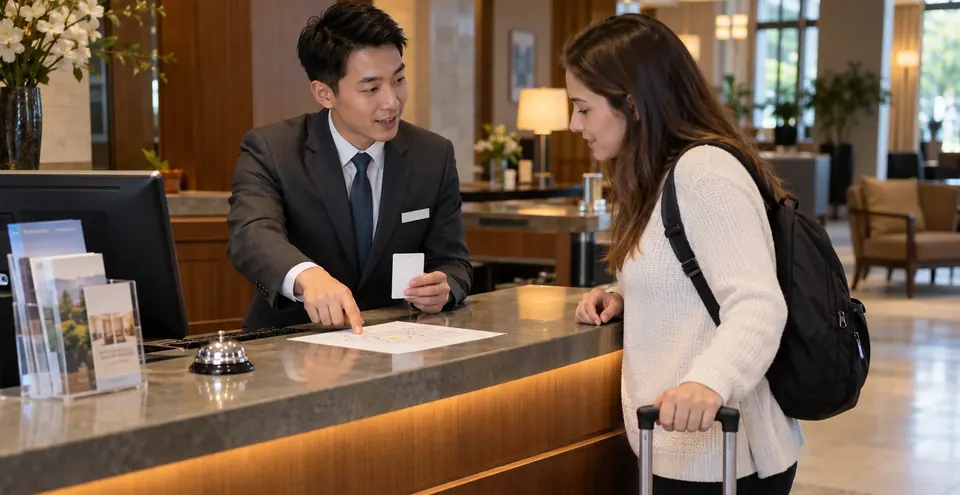
Solomon Islands has a small but varied market for seasonal hotel and restaurant jobs, centred on Honiara, whose accommodation ranges from international-style hotels to guesthouses and eateries. Outside the capital, small hotels and dive operators serve Gizo and Munda, while lodges and eco-resorts operate around Marovo Lagoon and other islands. Hiring follows visitor flows, with the drier months busier. Roles include cooks, waiters, cleaners and boat staff. Foreigners need permits, and pay, housing and conditions differ sharply between employers. Applicants should ask about transport to remote sites.
Solomon Islands seasonal hotel and restaurant jobs: where hospitality is concentrated
Honiara has the widest choice of accommodation, from international style hotels such as the Kitano Mendana and Heritage Park to guesthouses and restaurants serving officials, consultants and families. Their guests come for government work, regional meetings, development projects and visits to the Guadalcanal battlefields. Employment there is steadier than in remote lodges.
Beyond the capital, Gizo and Munda in the west host small hotels and dive operators, while Marovo Lagoon and other areas offer village-run guesthouses and eco-lodges. These places depend on irregular flights and boat transfers, so numbers of guests fluctuate strongly. Staff are normally recruited from nearby villages, since the owners hold land under customary arrangements.
Dive and heritage guests
Guests who come for diving and wreck exploration around Tulagi, Iron Bottom Sound and the western lagoons expect knowledgeable crew, safe boats and meals that include fresh fish, coconut and local vegetables. Operators take care to provide this with small teams who do several tasks, from loading tanks to serving dinner.
The Heritage Park Hotel stands near the Mataniko River and the memorial for the Battle of Guadalcanal, and the Kitano Mendana overlooks the harbour. Both host events and conferences, which call for banquet staff, porters and security. Between them are many guesthouses, bakeries and cafes where one or two employees prepare food each day, and an extra person is hired only during exceptional periods.
Restaurants in Honiara serve Chinese, Western and local dishes, and some sell fish, rice and taro lunches to office workers. A cook who knows how to prepare poi, fish with coconut cream and root crop puddings is appreciated. Menus change with what is available at the market, which is why cooks need flexibility.
Jobs and what they require
Kitchen roles include cooks, bakers and kitchen hands, and good seafood handling is essential. Front of house roles include servers, bartenders and receptionists, who need friendly English and a working knowledge of Pijin. Housekeeping staff keep rooms clean in a humid climate, and maintenance workers keep generators, water pumps and air conditioners running, which is vital where spare parts arrive slowly.
Managers, chefs and dive professionals are the posts most likely to be recruited from abroad, usually on fixed contracts. Locally, training is available through technical colleges and on-the-job coaching. A candidate who shows basic food hygiene knowledge, punctuality and a calm approach to guests will advance more quickly than one who relies on a foreign diploma alone.
| Role | Typical place | What helps |
|---|---|---|
| Cook or kitchen hand | Honiara hotels, island lodges | Fish handling, hygiene, stamina |
| Server or bartender | Hotels, restaurants, clubs | English, Pijin, politeness |
| Housekeeper | Hotels and guesthouses | Reliability, attention to detail |
| Boat hand or dive support | Gizo, Munda, Tulagi | Swimming, safety training, licence |
Training matters. The Solomon Islands National University and technical institutes teach catering and tourism, and trainees often complete placements at hotels. Employers in the sector prefer staff who understand food safety, because illness among guests can damage a small business quickly. A certificate in first aid or hygiene is a real advantage for anyone applying.
Customer service in the islands is warm but unhurried. Guests learn that dinner may take time, since the fish must be caught and supplies arrive when the ship does. Staff who keep calm, smile and explain delays honestly turn a limitation into part of the experience, and managers appreciate that attitude.
Seasons and hiring rhythm for seasonal hotel and restaurant jobs in Solomon Islands
Business is livelier in the drier months from May to October, when seas are calmer for transfers and divers. The wetter months bring heavy rain and cyclone risk, lowering visitor numbers, although government meetings and project work continue. Hotels in Honiara keep a base staff and call casual workers for events, weddings and conferences.
Lodges may close for maintenance or shorten their calendar during the quiet season. Staff often return to their villages, tend gardens and rejoin the lodge when bookings resume. This pattern means that vacancies are known by word of mouth in the community before they are advertised. Foreign candidates should write early and ask which months are busiest.
Local events add short bursts of work. Weddings, funerals, church feasts and sports finals require large meals prepared in earth ovens, and many cooks and servers are hired for the day. Payment is usually in cash at the end of the event. Experienced event cooks gain a reputation and receive repeat calls from hotels.
Visitors planning a stay in the Solomon Islands should remember that internet booking is patchy, and many lodges still take reservations by radio, phone or email answered once a day. Staff who handle bookings must be organised, record every request and confirm transfers carefully, because a missed boat can strand guests for days.
Pay, housing and conditions
Wages are set by employers within the legal minimum and by agreement. Tipping is not widespread, though divers sometimes leave a gratuity for the crew. Lodges frequently provide meals on duty and basic staff housing, and some include transport from the village. Insist on clear terms for accommodation, working hours, rest days and medical care.
Health risks include malaria and dengue, so a mosquito net, repellent and medical advice are important, and the hospital in Honiara is the main referral facility. Sun and humidity are demanding for kitchen and outdoor staff. Heavy cyclone weather can interrupt supplies, so employers expect flexibility in duties.
Lodges in the west often run on solar power and rainwater, which affects kitchen routines. Cooks learn to save water, plan meals around generator hours and keep food safe without constant refrigeration. Staff accommodation can be simple, with shared rooms and bucket showers, so a worker should be ready for a modest standard of living.
Safety and security are managed through the local community. In Honiara, staff should travel in groups at night and use trusted transport, while in villages, the elders are responsible for visitors. Employers brief staff about cultural rules, for example avoiding certain places, dressing modestly and asking before taking photographs.
Another point is union and rights. Workers have the right to a written statement of terms, to rest and to a safe workplace, and complaints may be taken to the labour office. A cautious foreign candidate will keep records of hours and payments, in case a dispute arises, and will ask a trusted local contact to explain how to proceed.
Common questions about seasonal hospitality work in Solomon Islands
Do hotels recruit foreigners for the season?
Only for skilled posts such as chef, dive instructor, manager or engineer. Entry-level work is normally reserved for Solomon Islanders, and every foreign hire needs a permit arranged by the employer before arrival.
Solomon Islands: which languages are useful?
English is essential for guests, and Pijin is the common language of daily life. Knowing a word of the local language of the island or lodge community is appreciated and helps build trust.
Is it possible to work in a village guesthouse?
Some guesthouses welcome volunteers or paid helpers, but they are family businesses, and any foreigner must have official authorisation. Contact the owner through the visitors bureau and agree terms before travelling.
Where to find these jobs
- Solomon Islands Visitors Bureau — National tourism organisation promoting the islands and supporting hotels, lodges and tour operators across the provinces.
- Solomon Islands Hotels and Tourism Association — Industry body representing accommodation providers and operators and advocating for training and standards in hospitality.
- Solomon Islands National University — National institution offering vocational and technical programmes, including tourism and hospitality skills.
- Solomon Airlines — National airline linking Honiara with Gizo, Munda and other provincial airstrips used by visitors and hotel staff.
Official and legal references
- Solomon Islands Government — Official government portal giving access to ministries, public notices and information on employment and immigration.