Chile: seasonal holiday resort activity leader jobs in beach hotels, ski resorts, Patagonian lodges and summer camps
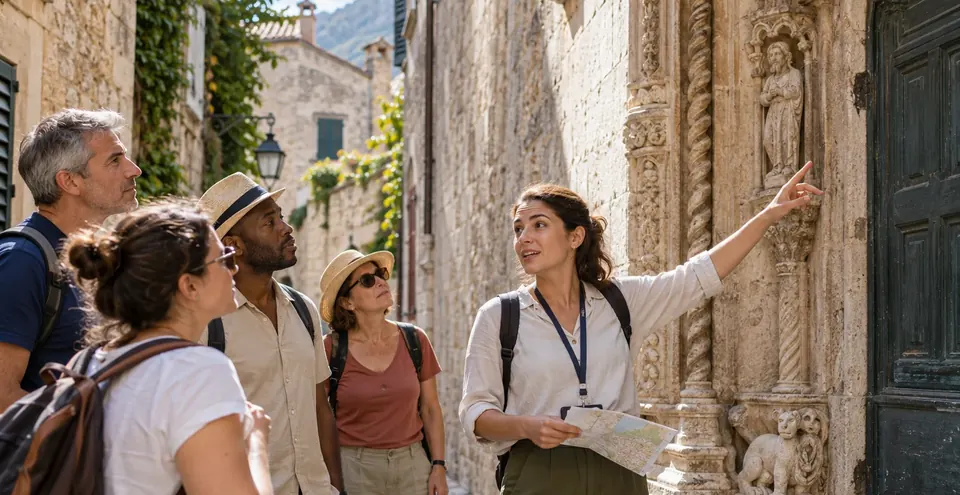
In Chile, seasonal holiday resort activity leader jobs cover recreation work in beach hotels and campsites, ski resorts, Patagonian lodges, adventure tourism centres and summer camps for children. Leaders, known locally as monitores or guias, organise games, sports, excursions and evening shows for guests, and they must be prepared for sun, wind, cold and altitude. Work peaks in January and February and during the July winter break, and employers value languages, first-aid training and a safe, responsible approach with minors in every activity.
Where activity leaders work
Beach hotels and resorts on the central coast, around Vina del Mar, Algarrobo, Zapallar and La Serena, run children's clubs, pool games, beach volleyball and evening programmes in January and February. Campsites and cabin complexes in the Lake District and the Pacific coast employ monitores to entertain children while parents rest. These jobs are usually short, with a few weeks of intensive work and a free meal or accommodation in many cases.
Ski resorts and mountain hotels use leaders in winter. At Valle Nevado, La Parva, Portillo and Nevados de Chillan, ski kindergartens and snow-play areas need monitors who supervise young children, while ski schools hire assistants and instructors. Evening activities in hotels, such as quizzes, bonfires and movie nights, keep families entertained. Language skills in Spanish, English and Portuguese increase the options, since many guests come from Brazil and Argentina.
Adventure tourism and camps complete the picture. Rafting on the Futaleufu and the Maipo, trekking in Torres del Paine and Cajon del Maipo, kayaking in Chiloe and horse riding in Patagonia use guides and assistants who lead and entertain groups. Summer camps run by schools, churches, scouts and municipalities offer monitors a chance to work with children for one or two weeks between December and February, often with a modest stipend.
Chilean culture gives leaders plenty of material. Games around folk dances such as the cueca, stories of Mapuche heritage in the Araucania, kite flying in September and traditional rodeo themes in the central valley can be adapted to workshops for children. Parents appreciate programmes that teach local customs, and managers like staff who bring fresh and authentic ideas.
| Setting | Main activities | Season |
|---|---|---|
| Beach hotel or campsite | Kids' club, beach sports, shows | December to February |
| Ski resort | Snow play, ski kindergarten, evening quizzes | June to September |
| Patagonian lodge | Guided walks, kayaking, group dinners | October to April |
| Summer camp | Games, crafts, hiking, campfires | January and February |
Skills and qualifications
A good leader is energetic, patient and organised. Employers look for people who can engage children of different ages, speak clearly, handle conflict and improvise when weather changes. Skills in music, theatre, drawing, football, swimming or dance are very useful, and previous experience with scouts, schools or sports clubs counts. A positive attitude is as important as any diploma.
Certificates are valued. Wilderness first-aid and CPR courses, lifeguard training, ski or snowboard instructor qualifications, outdoor guide certificates and recreation or youth-work courses given by technical institutes or universities help applicants stand out. Tourist guides may need to be registered with the tourism authority, and some national parks require local or certified guides. Always check which certificate is legally required for the specific activity.
Languages matter. Spanish is the everyday language, while English is vital around Patagonia, San Pedro and Rapa Nui. Portuguese is helpful in ski resorts, and French or German can add value with certain groups. Chilean Spanish has local slang that newcomers should learn quickly, as it helps with children and colleagues. A leader who can explain safety rules in two languages inspires confidence in parents.
Evening shows, such as talent contests, karaoke and theatre nights, rely on leaders with voice, rhythm or technical skills. Learning to operate a sound system, prepare simple costumes and manage the stage for a short performance gives you a clear advantage, and it can lead to a role as coordinator of entertainment after one or two seasons.
Child safety and risk management
Safeguarding is the first duty. Leaders count children at each stage, never leave a minor alone near water, roads or equipment, and keep a list of medical needs and emergency contacts. Parents sign authorisations for trips, and staff avoid private contact with children, follow photo rules and report concerns to the manager. Chilean law requires strong protection of minors and employers increasingly check backgrounds of staff who work with them.
Environmental risks need planning. On the coast, rip currents, cold water and strong sun are the main hazards, and lifeguards and clear flag systems are important. In the mountains, snow, cold, altitude and avalanches require training, and activities must be cancelled when conditions are unsafe. In Patagonia, wind, sudden rain and long distances from help call for radios, first-aid kits and a communication plan.
Equipment and emergency procedures should be tested before every season. Life jackets, helmets, harnesses and radios must be checked, and leaders must know the nearest clinic and the emergency numbers. Rehearse evacuation and lost-child procedures with the whole team. A supervisor who holds regular briefings and keeps incident logs protects both the guests and the staff from avoidable mistakes.
Keep a notebook with the names of the children in your group, their allergies and the phone numbers of parents. Update it every day and hand it to the next leader at the end of your shift, so that responsibilities are never left unclear.
Contracts, pay and applications
Contracts are normally fixed-term and linked to the season or the camp. The Labour Code requires a written agreement with registered pension and health contributions. Pay depends on experience, language skills and the type of resort, and it is often combined with meals and accommodation. Ask what is included, how long the shifts last and when days off are given, since evening shows can lead to late finishes.
Send applications during October and November for the summer, and during April and May for the winter. Send a CV with photographs of activities, a short video presenting a game and references from earlier camps or schools. Tourism schools and universities forward vacancies to students, and municipalities hold recruitment days for summer camps. Larger hotels may ask for an interview by video and a trial day.
Foreigners need a visa that allows paid work, and volunteer arrangements in camps and lodges must be checked carefully, because unpaid work in exchange for lodging is not always legal. Keep copies of your agreement and report any breach to the Labour Directorate. For safety, share your location and contact details with a colleague when you work in remote areas, and keep emergency numbers in your phone.
Questions about activity leader work in Chile
Do I need a degree to work as a monitor?
No, many resorts and camps hire students and young adults with experience in sports, scouting or teaching, as long as they obtain the required checks and training. Degrees in education, tourism or sport help for coordinator posts. Activities such as skiing, climbing and rafting require specific certificates, and employers will check them before allowing you to lead groups.
Is English necessary?
It is not always required, because many holiday clubs serve Chilean families, but it is a big advantage in Patagonia, Atacama and Easter Island, and in luxury lodges. Portuguese is useful in ski resorts. If you cannot speak English, develop another strong skill such as sports coaching or crafts, and show it with a short video and references.
What does a typical summer day look like?
A day often starts with a morning briefing and games at the pool or beach, continues with lunch supervision and a rest hour, and moves to afternoon workshops or excursions. In the evening there may be a show, bonfire or disco. Leaders also prepare materials and write incident notes. Expect long days, clear breaks written in the contract and a lively team atmosphere.
Where to find these jobs
- Servicio Nacional de Turismo (Sernatur) — National tourism service that promotes destinations, registers tourism businesses and publishes information on the tourist seasons in Chile.
- Dirección del Trabajo — Chilean labour authority that supervises compliance with the Labour Code, publishes rules on contracts and wages and receives complaints from workers.
- Bolsa Nacional de Empleo — Public online employment exchange that lists vacancies, links jobseekers with companies and supports municipal job offices throughout Chile.
- National Institute of Youth (INJUV) — Government institute that supports young people, volunteering and recreational programmes and publishes opportunities for youth leaders across Chile.
Official and legal references
- Chile Travel — Official English-language tourism portal of Chile presenting regions, seasons, activities and practical information for visitors and workers in tourism.
- InvestChile — Government agency site in English that explains Chile's economy, regulations and sectors, including agriculture, tourism and employment framework.