Ghana: seasonal hotel and restaurant employment opportunities in cities, castles and coast
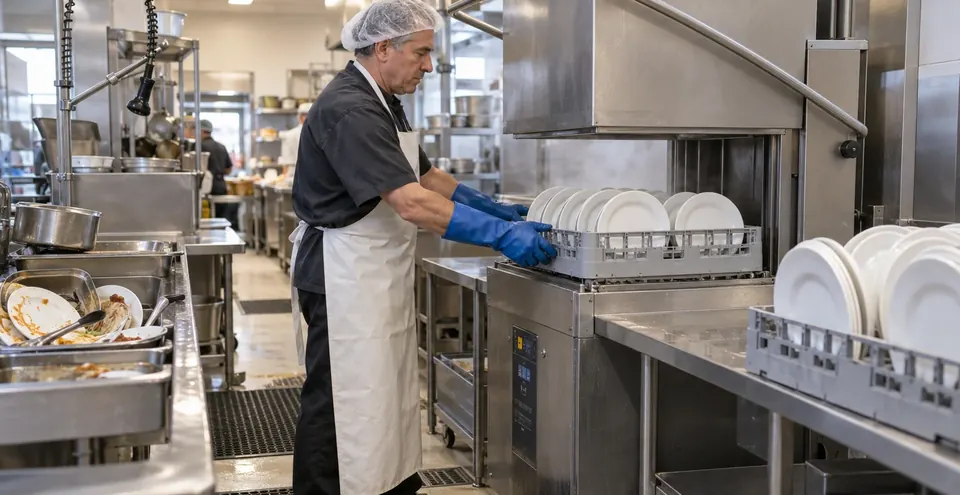
Across Ghana, seasonal hotel and restaurant employment opportunities are the extra posts that hotels, guesthouses, beach lodges, chop bars and city restaurants open when guest numbers climb. Demand rises in December and January, during Easter, around major festivals and in the heritage-travel weeks of summer. Roles include waiters, cooks, kitchen assistants, housekeepers, receptionists, bartenders, porters and security staff. Ghanaians fill nearly all posts, and foreign applicants need a work permit. Employers value courtesy, punctuality, good English and a willingness to work evenings, weekends and public holidays.
Cities and coasts that hire
Accra is the main employer, with business hotels in Airport City and Cantonments, boutique stays in Osu and East Legon, and a lively restaurant and nightlife scene. Conferences, weddings and diaspora visits fill rooms throughout the year, and the peak at Christmas can be intense. Labadi Beach and the Tema area add resorts and seafood restaurants.
Along the Atlantic coast, Cape Coast and Elmina welcome visitors to the old slave-trade castles, Kakum National Park and beach lodges. Further west, Busua, Axim and Ahanta communities have small guesthouses, surf schools and seafood restaurants, which hire mostly from nearby villages. East of Accra, Ada Foah, on the Volta estuary, draws weekend visitors and has a growing number of lodges.
Inland, Kumasi hosts hotels for business and cultural visitors, and Tamale serves travellers heading to Mole National Park and Larabanga. Around Lake Volta and Akosombo, resorts and boat services rely on weekend crowds. Kintampo and Wli Falls areas add eco-lodges, where staff often live on site or in a nearby village.
Event venues add short engagements. Banquet halls, conference centres and wedding gardens in Accra and Kumasi hire waiters, cooks, decorators and cleaners for single days, and weekends from October to January are especially busy because of funerals, weddings and festivals. These engagements can be an entry point to a regular hotel post.
Smaller towns have their own pattern. Ho and Hohoe in the Volta Region, Sunyani in the Bono Region and Koforidua in the Eastern Region host guesthouses and restaurants that fill during funerals, conferences and school events. They rarely advertise, so a short visit with a CV, followed by a polite phone call a week later, is often the way a job is found.
Roles and the skills employers seek
In the dining room, waiters and waitresses must explain dishes such as jollof rice, waakye, fufu with light soup, kenkey with fried fish and grilled tilapia. Knowing how to serve politely, handle complaints and manage the bill is more important than any certificate. Chop bars and local restaurants value speed and a friendly atmosphere.
Cooks and kitchen assistants prepare both Ghanaian and international menus. Hygiene training and an understanding of food safety are essential, and experience with a grill, a stove or a bakery counts. Bartenders prepare cocktails, fresh juices and beers, and in tourist bars they chat with guests, so charm and language ability matter.
Behind the scenes, housekeepers, laundry staff, gardeners, drivers and night guards keep the hotel running. Front office staff need clear English, computer skills and a calm temper, and some hotels use French for guests from neighbouring countries. Training is available through technical and vocational institutes, polytechnics and hospitality colleges in Accra, Kumasi and Takoradi.
Training opens doors. Hotels value staff who know silver service, food safety and basic accounts, and short courses can be taken at hospitality schools, vocational institutes and polytechnics. Some employers run in-house training with progression from trainee to supervisor, and a worker who completes a course in a quiet season returns with better chances for the next peak.
| Role | Peak weeks | Typical place |
|---|---|---|
| Waiter or bartender | Christmas, Easter, festival weeks | Accra, Cape Coast, Kumasi |
| Cook or kitchen assistant | December to January, events | Hotels, chop bars, resorts |
| Housekeeper or laundry | High occupancy periods | Hotels and guesthouses |
| Receptionist | All year with peaks | Business and tourist hotels |
Hiring months, housing and income
Hotels begin to recruit in October and November for the festive season, while beach lodges and resorts prepare for Easter and the summer months. Some employers also hire during major events, such as conferences, weddings, football fixtures or the Chale Wote street art festival in Accra, when restaurants and bars extend hours. Apply in person with a CV and references.
Housing is not always supplied. Large hotels may provide a staff meal and transport for night staff, while smaller businesses expect workers to live nearby. Shared rooms in neighbourhoods such as Kasoa, Madina and Tema are common, and public minibuses make commuting possible. Remote lodges usually offer staff quarters, and the offer should be written.
Pay depends on the property and the position, and it follows the national daily minimum wage set by the authorities, with collective agreements applying in some large hotels. Tips are appreciated but are not guaranteed, and service charges are shared in different ways. Ask how overtime and public holiday work are paid before accepting a post.
Remote lodges deserve a note. In places such as Mole, Wli and the western beaches, staff may work long blocks with few days off, and travel to town is limited. Employers usually provide meals and a bed, but shared rooms and basic facilities are common. Check how medical emergencies are handled and what transport is arranged on your days off.
Contracts, rights and problems
The Labour Act gives employees rights to a written statement of terms, rest, annual leave and protection from arbitrary dismissal. The National Labour Commission can resolve disputes, and trade unions in the hospitality sector provide support for members. Seasonal staff should insist on a note showing the dates of employment and the rate of pay.
Foreign applicants require a work permit, which is usually obtained by the employer through the Ghana Immigration Service and linked to a specific role. Working on a visitor visa is illegal and may lead to deportation. ECOWAS nationals should confirm the conditions for staying and working before starting.
Common problems include late payment, unclear deductions for meals or uniforms, and sudden layoffs when occupancy drops. To protect yourself, keep a diary of days worked, ask for payslips, and join colleagues in raising problems with management. Social security contributions should be made on your behalf if you are formally employed.
Customer care is a major factor for success. Visitors judge a stay by the warmth of the welcome, and a smile, a few words in Twi and clear information about local dishes and sights go a long way. Staff who handle complaints calmly and honestly often earn tips and recommendations that raise their standing with management.
Frequently asked questions
Do hotels in Ghana require qualifications?
Entry roles often accept applicants without formal diplomas if they show a positive attitude and a basic ability to read, write and communicate. For supervisors, chefs and front office posts, a certificate or relevant experience is preferred. References from previous employers carry great weight.
Which languages help in hospitality?
English is essential. Twi, Ga, Ewe and Fante help you communicate with colleagues and local guests, while French is useful with visitors from neighbouring countries. German, Dutch, Chinese and Arabic may appear in hotels hosting tour groups or business clients.
Is work available outside the capital?
Yes. Cape Coast, Kumasi, Takoradi, Tamale and the beach towns of the Western Region all employ hotel and restaurant staff, though the number of posts is smaller than in Accra. Smaller venues often recruit through word of mouth, so networking is valuable.
Where to find these jobs
- Ghana Tourism Authority — National regulator and promoter of tourism, licensing hotels, restaurants and guides and publishing visitor information.
- Ghana Hotels Association — Industry association representing hotel owners and managers, offering contacts on standards, training and employment.
- Ghana Immigration Service — Government service managing entry, residence and work permits for foreign hotel and restaurant employees.
- National Labour Commission — Independent body that mediates and settles labour disputes between employers and employees across all sectors.
Official and legal references
- Government of Ghana — Official government portal with ministry information, laws and public services in English for employers and workers.
- Visit Ghana — Official tourism website with information on destinations, heritage sites, festivals and accommodation across the country.