Malta: seasonal fruit and vegetable picking jobs on small island farms
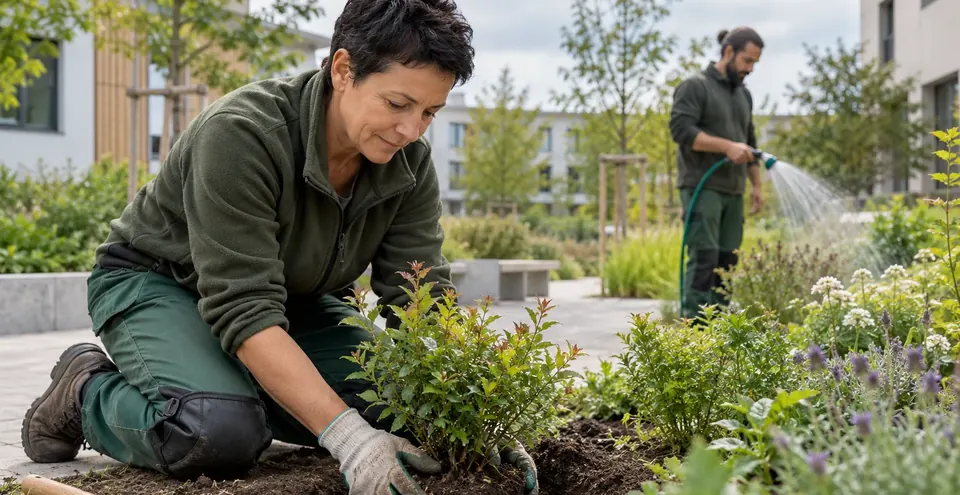
Malta has small fields and strong farming traditions, so seasonal fruit and vegetable picking takes place on tiny parcels divided by dry stone walls, known as rubbli, many of them on terraced slopes. The western and southern parts of the main island, including Mġarr and Għarb, are productive, and Gozo adds more. Harvest tasks follow the calendar of crops, with workers picking, sorting and carrying. Pay, hours, living arrangements and the legal framework decide who may work. Island size, small plots and short seasons mean fewer posts than on mainland farms, so early contact with growers is helpful.
Malta seasonal fruit and vegetable picking: small fields, strong traditions
Farming in Malta takes place on tiny parcels divided by dry stone walls, known as rubbli, many of them on terraced slopes. The western and southern parts of the main island, including Mġarr, Għarb, Siġġiewi, Dingli and Żebbuġ, are the principal agricultural zones, while Gozo is greener and more rural. Farm holdings are small, and many farmers work part-time while holding another job.
The islands are best known for new potatoes, which are harvested in spring and have a long tradition as an export to northern markets. Tomatoes, onions, cauliflower, cabbage, courgettes and melons grow in different seasons, and strawberries are grown in tunnels near Mġarr. Orchards offer citrus, figs, pomegranates, prickly pears and carob, and vineyards supply local winemakers who produce island varieties such as Ġellewża and Girgentina.
Fishing and beekeeping complement the land. Honey from wild thyme is a traditional product, and farmers keep goats and sheep for ġbejniet cheese, especially in Gozo. Fresh produce from these small farms reaches the island's farmers' markets, roadside stalls and restaurants, as well as wholesale buyers at Marsa. The market for local produce is strong, because visitors and residents appreciate freshness and traditional flavours.
Water is a limiting resource. Rainfall is modest and concentrated in autumn and winter, so farmers rely on boreholes, rainwater cisterns and treated sewage water for irrigation. Dry summers make tomatoes and melons dependent on careful watering, and workers may be asked to manage drip lines and check pumps. Understanding water use is a skill that makes a picker more valuable to a farmer.
The social side of farming is distinctive. Many farmers belong to families who have worked the same fields for generations, and they speak Maltese among themselves, often with village expressions. A newcomer who greets neighbours, accepts a cup of tea and shows interest in the land builds trust. That trust often matters more than any CV, and word of a reliable picker passes quickly through a village.
Harvest calendar and tasks
The potato harvest in spring is the biggest burst of labour. Workers lift tubers with hoes or small machines, sort them by size and quality, and fill sacks for market. Tomatoes and peppers in tunnels or open fields are picked over several weeks in early summer, while melons and watermelons are cut in July and August. These tasks involve bending, carrying and repeated loading under hot sun.
Grape harvest, known in Maltese as il-ħsad tad-dwieli, begins in late August and runs into September, when pickers cut bunches with secateurs and fill crates for transport to wineries. Olives are gathered from October to December, either by hand or by shaking branches over nets. Citrus, mostly oranges and mandarins, ripen from late autumn into winter, and prickly pears are picked in late summer using gloves and tongs because of fine spines.
| Period | Typical crops or task | Main areas |
|---|---|---|
| March to June | New potatoes, onions, strawberries, early vegetables | Mġarr, Għarb, Gozo |
| July to August | Tomatoes, melons, watermelons, prickly pears | Siġġiewi, Dingli, Żebbuġ |
| September to October | Grapes, figs, pomegranates, olives begin | Wine estates, Gozo, Rabat |
| November to February | Olives, oranges, mandarins, cabbage and cauliflower | Gozo, Mġarr, Mellieħa |
Many tasks are done with simple tools. Secateurs, crates, plastic buckets, sacks and wheelbarrows are common, and some farms have small tractors or carts. The rocky ground and narrow terraces limit mechanisation, so manual work remains important. Experienced pickers learn to pace themselves, wear gloves and protect their backs, and good teamwork helps move crates quickly from field to truck before the heat peaks.
Quality standards are high for local produce. Buyers inspect size, colour and firmness, and a cracked tomato or bruised potato loses value. Pickers who handle crops gently and sort accurately earn the respect of farmers and may be rehired each season. Because farms are small, the farmer often works beside the pickers and explains each task personally, which makes the job easier to learn.
Pay, hours and living arrangements for seasonal fruit and vegetable picking in Malta
Farm workers are covered by Maltese employment rules, including a national minimum wage, limits on working time and rules about rest. Some farms pay by the hour or day, others by output. Written terms are recommended, and registered employment gives access to social security, health care and legal protection. Because the farm sector has many informal arrangements, workers should ask for a contract and refuse to work without one.
Hours start early, often at dawn, and finish by early afternoon in summer to avoid the strongest heat. In spring and winter, working days may be longer. Weather affects schedules, since heavy rain can stop picking, and a strong wind may delay work. Ask how rain days are treated, whether pay is lost and whether the employer provides transport to the field from the village or from a bus stop.
Accommodation is not generally provided on small farms. Workers live in local towns and villages, often sharing flats, and travel by bus or by car with colleagues. Rural rents are lower than in Sliema or St Julian's, but public transport may be limited in the evenings. Check the bus schedule before taking a job, and ask whether the farmer can arrange transport from a central pickup point.
Heat is the biggest health risk. Summer temperatures in open fields can be extreme, and workers need a hat, long sleeves, sunscreen and plenty of water. Take breaks in shade, recognise signs of heat exhaustion, such as headaches and dizziness, and stop working if they appear. Cuts from tools and thorns should be cleaned promptly, and tetanus vaccination is a sensible precaution for anyone doing outdoor work.
Seasonal calendars can overlap with other jobs. Many workers harvest potatoes in April, move to hotels or boats from June, return to the vineyards in September and finish the year with olives. Planning this chain in advance, and keeping in touch with each employer, helps maintain income. Employers are generally relaxed about short absences if they are informed early and the worker comes back as promised.
Legal framework and who may work
Citizens of the European Union and the European Economic Area, and of Switzerland, may work in agriculture in Malta without a permit but must be registered by their employer. Other nationals need a single permit tied to a specific employer. A tourist visa never authorises farm work, and farmers who employ people without proper registration risk fines. Jobsplus and Identità explain the steps and are the right contacts.
Agriculture is supervised by the Ministry responsible for agriculture, and the Agriculture and Rural Payments Agency handles subsidies and rural support. Farmers must follow rules on pesticide use, animal welfare and food safety. Workers who handle chemicals should be trained and given protective equipment. Ask what products are used, when fields were last sprayed and what safety instructions apply, and refuse tasks that you do not feel trained to do.
Visitors who wish to learn about farming can look for small agritourism projects, farm visits and workshops, particularly on Gozo, where some farms host guests for meals and tastings. These are not the same as employment, and any paid role needs the correct registration. Respecting local customs, landowners' boundaries and the fragile countryside protects the working relationship and keeps farmers willing to hire help in the future.
Frequently asked questions
Is there much fruit picking work in Malta?
Far less than in large agricultural countries. Farms are small, and the demand is concentrated in a few periods, such as the potato harvest in spring and the grape harvest in late summer. Many workers combine farm work with other jobs, and opportunities are often found through personal contacts.
When is the grape harvest?
Grapes are usually picked from late August to September, depending on the vineyard and the weather. Wineries and farms in the countryside and in Gozo call for extra hands during this period, and work often begins early to protect the fruit from the heat.
Do I need a work permit?
EU, EEA and Swiss citizens do not, but employers must register them. Other nationals need a single permit sponsored by an employer. Ask Jobsplus or Identità for current rules, and never accept farm work without a proper contract and registration.
Where to find these jobs
- Ministry for Agriculture, Fisheries and Animal Rights — Government ministry responsible for farming policy, fisheries and animal welfare, and for supporting farmers across Malta and Gozo.
- Agriculture and Rural Payments Agency — Public agency that administers farm subsidies, registers holdings and supports rural development projects on the islands.
- Jobsplus — National employment service that lists vacancies, registers workers and explains the rules for hiring in agriculture.
- Identità Malta — Agency that issues residence documents and single permits for non-EU nationals who take up work on Maltese farms.
Official and legal references
- National Statistics Office Malta — Official statistics office publishing agricultural, labour and population data about the country in English.