Panama: seasonal fruit and vegetable picking jobs in Chiriqui, Azuero and the banana lands of Bocas del Toro
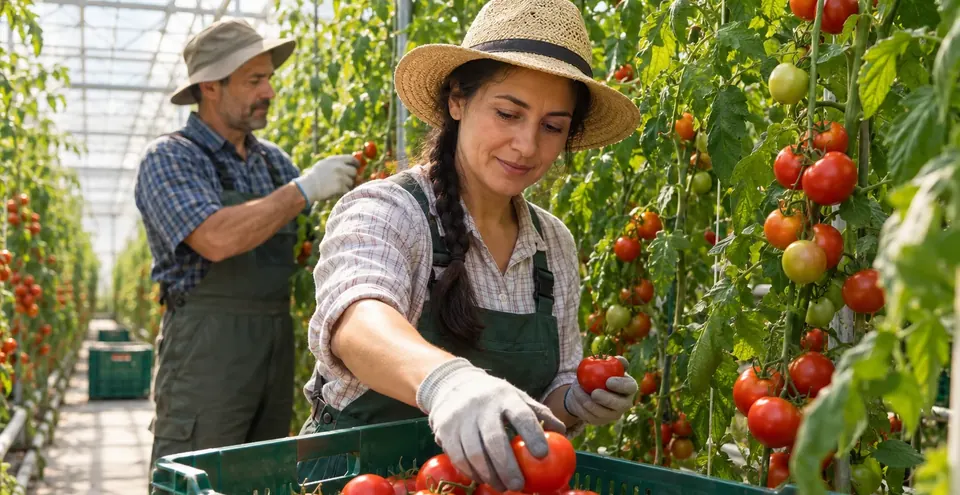
Panama has cool highlands, Pacific plains and a banana coast, so seasonal fruit and vegetable picking is found in Chiriqui, Azuero and the banana lands of Bocas del Toro. The Chiriqui highlands around Volcan, Cerro Punta and Boquete have a cool climate, rich volcanic soils and terraced fields where farmers grow potatoes, carrots, cabbage, lettuce, onions, strawberries and flowers. Tasks vary by crop, and conditions depend on the farm. Housing, transport and the legal framework are worth checking, and a harvest table helps planning.
Fruit and vegetable picking in Panama: crops by region
On the Azuero Peninsula, in the provinces of Los Santos and Herrera, dry weather from December to April suits melons and watermelons, which are planted in large fields and picked by gangs of workers. Sugar cane, rice and tomatoes grow in nearby areas, while cattle ranching dominates the hills. Workers often live in the villages and travel to the fields each day by truck.
Bananas are a major export from the west. Farms near Puerto Armuelles and in the Changuinola valley of Bocas del Toro employ people in plantations, packing sheds and ports. Pineapple, plantain, oranges and other fruits are grown in Chiriqui, Veraguas and Panama Oeste, with citrus and pineapple concentrated in specific zones that have their own harvest rhythms.
Coffee deserves its own mention. The Boquete and Volcan areas are known for specialty coffee grown under shade at altitude, and the harvest brings thousands of pickers, many from the Ngabe-Bugle comarca. Cherries are picked by hand when red, so workers return to the same trees several times. The work is physically demanding, with steep slopes and rain, yet it offers a clear season each year.
Tasks and working conditions for seasonal picking jobs in Panama
Pickers carry crates or sacks, cut fruit with knives or twist it from the plant, and place it in baskets. Packing workers wash, grade and box the produce. A day begins early to avoid the heat, and breaks are short. In the highlands, rain and mud complicate transport, while in Azuero, heat and dust cause fatigue.
Pay is usually per day, per crate or per weight, and legal minimum wages for agricultural work apply to formal contracts. Ask before starting how counting works, when payment is made and what deductions apply for food, transport or tools. Keep your own notes of the number of boxes filled each day, so you can settle any difference.
Pesticides are a real risk. Banana and vegetable farms spray crops, and workers should receive training, gloves, masks and clear warnings about reentry times. Wash hands before eating, avoid fields recently sprayed and report symptoms such as headaches, rashes or nausea. Employers must provide drinking water, shade, toilets and first aid in the field.
Heat is a daily challenge in Azuero, where midday temperatures climb and shade is rare. Plan breaks, wear a wide hat and light long-sleeved clothing, and drink water before you feel thirsty. Signs of heat exhaustion include dizziness, cramps and heavy sweating, and a worker with such symptoms should rest in shade, drink slowly and seek medical help if they do not improve.
Banana packing houses across Bocas del Toro and Chiriqui follow a precise routine. Bunches arrive on cable lines, hands are cut into clusters, washed in tanks to remove latex, checked for blemishes, stickered and boxed for the port of Almirante or Puerto Armuelles. Workers stand for hours in wet areas, so boots, aprons and short rest breaks are not extras but basic safeguards, and a good supervisor rotates people between stations.
Housing, transport and legal framework
- Seasonal housing may be a farm barracks, a rented room or a house in the village
- Workers' transport should be safe, with seats and coverage from rain
Indigenous workers deserve particular respect. Ngabe and Bugle families from the comarca often travel together to coffee, banana and vegetable farms, and their rights to fair pay, clean housing and schooling for children are part of national policy. Employers who provide decent conditions and pay on time receive loyalty, while abusive practices attract inspection and public criticism.
Many farms run on tight schedules set by buyers and shipping dates. When a container must leave on a fixed day, managers ask crews to work longer hours or on Sundays. Overtime must be paid at the rate required by law, and workers have the right to refuse unsafe tasks. A clear conversation at the start of the season about extra hours avoids conflict later.
Coffee families from the Ngabe-Bugle comarca often arrive together, bringing blankets, cooking pots and children, and farms that host them provide simple dormitories with shared kitchens. The best estates in Boquete and Tierras Altas supply clean water, mattresses and a school-age programme, while others leave families in crowded sheds. Before agreeing to a season, ask to see the lodging and the sanitation, not just hear about them.
Harvest table
| Crop | Region | Usual period |
|---|---|---|
| Coffee | Boquete, Volcan, Tierras Altas | November to February |
| Melons and watermelons | Los Santos, Herrera | December to April |
| Bananas | Chiriqui, Bocas del Toro | Most of the year |
| Highland vegetables | Cerro Punta, Volcan | Several cycles through the year |
These periods are indications only. Altitude, rain and farm decisions alter dates, so ask directly. Workers who want continuity often move from one crop to the next, using networks of relatives and foremen. Agree in advance on transport, food and payment, so that a delayed harvest does not leave you stranded far from home.
Visiting farms as a tourist is lawful and popular. Coffee estates in Boquete offer tours that explain picking, drying and roasting, and some highland farms welcome visitors for meals and walks. These visits are separate from paid labour, and visitors should respect work areas, ask before taking photos and buy local products where possible.
Strawberries at Cerro Punta and Volcan are picked low to the ground in beds under plastic, which means hours of stooping, while carrots and potatoes are dug from cold, damp soil. Gloves, kneepads and a warm layer are essential at altitude, where mornings are chilly. Visitors who join a farm tour will see these fields in a pleasant hour, whereas workers must do the same job all day.
Orchards of oranges and tangerines in Chiriqui and Veraguas, mango trees along the Pan-American Highway and papaya fields in Panama Oeste provide smaller, scattered picking jobs. Sellers at roadside stands near Penonome and Santiago often hire a nephew or neighbour for a few days when trees are heavy. Arrangements are casual, so agree on the daily amount before climbing the first ladder and confirm who owns the fruit you pick for yourself.
Practical questions about picking work
Which crop offers the longest work period in Panama?
Banana plantations around Puerto Armuelles and in the Changuinola valley offer the longest stretch, since the plants fruit all year round and packing sheds keep running. Highland vegetables around Cerro Punta follow with several cycles, while coffee, melons and cane are tied to a few months. Many workers string crops together, shifting to another field when the earlier harvest finishes.
Is the coffee harvest open to foreigners?
Only with proper authorisation. Coffee farms recruit mostly local and indigenous families, and legal employment of a foreigner needs a permit tied to the employer. Visitors may tour coffee farms, but paid picking without permission can bring fines and removal.
What should I carry to a farm?
Pack rubber boots, a wide hat, long sleeves, light gloves, sunscreen, mosquito repellent, a refillable flask for drinking water and a compact first-aid pouch with plasters and rehydration salts. Keep your identity papers in a sealed plastic pouch, carry enough cash for the trip home and write down the telephone number of the nearest labour office, in case pay or housing becomes a problem.
Official and legal references
- Food and Agriculture Organization of the United Nations — United Nations agency offering information on crops, rural employment and food systems in Panama and Central America.
- International Labour Organization — United Nations agency with standards on agricultural safety, child labour and fair payment for rural workers.