Belize: summer and winter seasonal work opportunities across the dry and rainy months
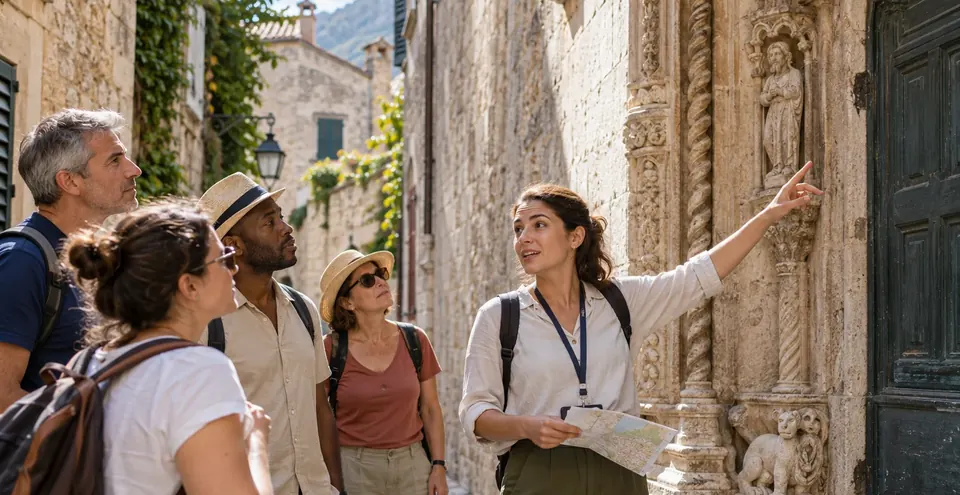
In Belize, summer and winter seasonal work opportunities depend on rainfall and holidays instead of snow and cold. Winter, in the tourist sense, means the dry months from December to May when visitors arrive, hotels fill and tours run daily. Summer brings heat, heavy showers and the Atlantic hurricane season, along with lobster fishing, school holidays and local festivals. Each season creates its own jobs, from dive guides and lodge cooks in the dry months to repair crews and fishers in the wet ones, so planning a full year of income is wise.
What the seasons mean in Belize
The country has a tropical climate with temperatures that remain warm throughout the year. The dry season, from about February to May, has low rainfall and clear seas that favour diving and snorkelling. December and January are cooler and sometimes windy, which is the reason for the winter label used by visitors.
The wet season begins in June and lasts until November. Rainfall is heaviest in the south, and rivers can flood roads and villages. Mosquitoes and humidity increase, and some cave tours and river trips are limited. A short dry spell in August, known locally as the little dry, can occur in some years. The Atlantic hurricane season overlaps with the wet months. Tropical storms affect the coast from time to time, and authorities issue warnings. Employers in tourism and farming should have emergency plans, and workers should know evacuation routes and shelters.
Travel conditions change too. Dry roads make it easy to reach the Cayo lodges and the Maya sites, while heavy rain can close unpaved tracks to Toledo villages. Domestic flights and boat services run on schedules that shift with the weather, so workers should plan extra time when they travel at the start or end of the season.
Winter jobs: December to May
The tourist high season creates the largest number of seasonal jobs. Dive operators and snorkel guides take visitors to the barrier reef, Hol Chan Marine Reserve and the Great Blue Hole, while lodges in the Cayo District send guests to the Maya ruins at Xunantunich, Caracol and Lamanai. Boat captains, drivers, cooks, housekeepers and bar staff are in demand.
Cruise ships dock off Belize City and at a private terminal in the south, and each call brings hundreds or thousands of day-trippers. Tour operators, shopkeepers, taxi drivers and craft sellers extend their hours and recruit helpers. Ship schedules are published in advance, and operators plan staff accordingly.
Easter is a special moment. The Holy Saturday Cross Country Cycling Classic, beach parties and the arrival of Belizeans taking a holiday fill roads and restaurants. Christmas and the New Year bring family reunions and weddings, and resorts add events and entertainers. Dry-season farm work, such as sugar cane cutting and citrus picking, also occurs in these months.
| Season | Months | Typical work |
|---|---|---|
| Dry and cool winter | December to February | Hotels, tours, dive shops, cane and citrus |
| Hot dry spring | March to May | Easter crowds, tours, farm harvests |
| Wet summer | June to September | Lobster fishing, repairs, local events |
| Late wet season | October to November | Hiring for the next high season |
Winter work also exists beyond tourism. Construction crews build and repair hotels and houses in the dry months, when the weather allows concrete to cure and roofs to be installed. Electricians, plumbers, masons and carpenters are busy, and labourers can find day work on building sites in the larger towns.
Weddings and honeymoons are an important winter market in Belize. Resorts on the cayes and in the Cayo District host ceremonies on beaches and in gardens, creating work for planners, photographers, florists, musicians, caterers and boat captains, and these events usually pay better than regular hotel shifts.
Summer jobs and festivals
Summer brings a different set of opportunities. The spiny lobster season opens in the warm months, with fishers working from small boats around the cayes and the cooperatives in San Pedro, Placencia and Belize City buying and processing the catch. Lobster festivals in San Pedro and Caye Caulker draw visitors and create work for cooks, vendors and musicians.
School holidays in July and August give students the chance to take short jobs in shops, restaurants and tour offices. Summer camps and sports programmes hire instructors, and families travel within the country. Local tourism does not match the winter peak, but it keeps some businesses busy.
September is crowded with national celebrations: St George's Caye Day on 10 September and Independence Day on 21 September. Parades, concerts and street parties employ stage crews, caterers and security, and in November, Garifuna Settlement Day in Dangriga and Hopkins features drumming, dance and food.
Lobster is the standout summer industry. Fishing cooperatives register fishers, set quotas and buy the catch, and the opening of the season is celebrated with festivals that attract visitors. Boat crews, processing plant workers, divers and cooks all benefit, and fishing communities such as Sarteneja, Placencia and Caye Caulker depend on it.
Summer is also the time for training. Dive schools, lodges and hotels use the quiet months to run first-aid courses, boat-handling classes and customer-service workshops, and workers who attend these sessions are better placed to win a good position when the dry season returns.
Planning your year
Treat the high season as the main earning period and save part of your income. Rents, groceries and transport cost the same in the quiet months, but hours drop. Keep a reserve for at least two months, and consider combining tourism work with farm or fishing work in the wet season.
Preparation for storms is essential. Keep documents in waterproof bags, learn where the nearest shelter is and store water and food when a warning is issued. After a storm, repairs and clean-up can provide work for carpenters, roofers, electricians and labourers, though conditions may be difficult.
Health matters in both seasons. Use sun protection and drink water in the dry months, and use repellent and keep standing water away from your home in the wet months to reduce mosquito-borne illness. Check whether your employer offers insurance, and register with the Social Security Board.
Cost planning helps through the cycle. Flights, rents and food prices rise at peak times, so budget early and keep receipts. Opening a local bank account and sending a part of your pay home or into savings each week protects you against the thin months in the middle of the year.
Contacts are the best insurance. Employers remember workers who were on time, honest and polite, and they call them when a new season starts or when a replacement is needed. A good reference from one season can be the key that opens a better job in the next.
Frequently asked questions
When does the busy season start?
Most businesses are busy from mid-December. Recruitment takes place in October and November, and some employers open positions earlier. Applications sent after Christmas are usually for replacements. Keep your documents, references and certificates ready, because managers decide quickly once the first bookings arrive from abroad.
Is there work in the rainy season?
Yes, although fewer jobs exist in tourism. Fishing, repairs, farming and local events provide work, and some lodges stay open. Workers who are flexible and hold more than one skill do best. Employers value people who stay reliable when work is slower, and these workers are often rehired the next season.
How dangerous are hurricanes?
Direct hits are infrequent, but storms can bring heavy rain and wind. Follow official advice, secure your home and documents, and talk to your employer about how pay is handled if the business closes. Keep a charged phone, cash and a small emergency kit, and know the shelter plan of your workplace and village.
Where to find these jobs
- National Meteorological Service of Belize — Government weather service that issues forecasts, flood warnings and hurricane advisories used by employers and workers throughout the year.
- Belize Tourism Board — National tourism agency that publishes the calendar of festivals and events and supports the tourism sector across the seasons.
- Belize Tourism Industry Association — Industry association of tour operators, hotels and restaurants, a good source of information on seasonal staffing and training.
- National Emergency Management Organisation, Belize — Government body coordinating disaster preparedness, shelters and emergency response during the hurricane and flood season.
Official and legal references
- Government of Belize — Official government portal with public notices, emergency information, laws and services for residents, workers and employers across the country.
- Belize Tourism Board — Official tourism website with seasonal guidance, events and travel information in English for visitors and tourism professionals.