Dominica: seasonal hotel and restaurant employment opportunities in lodges, guesthouses and eateries
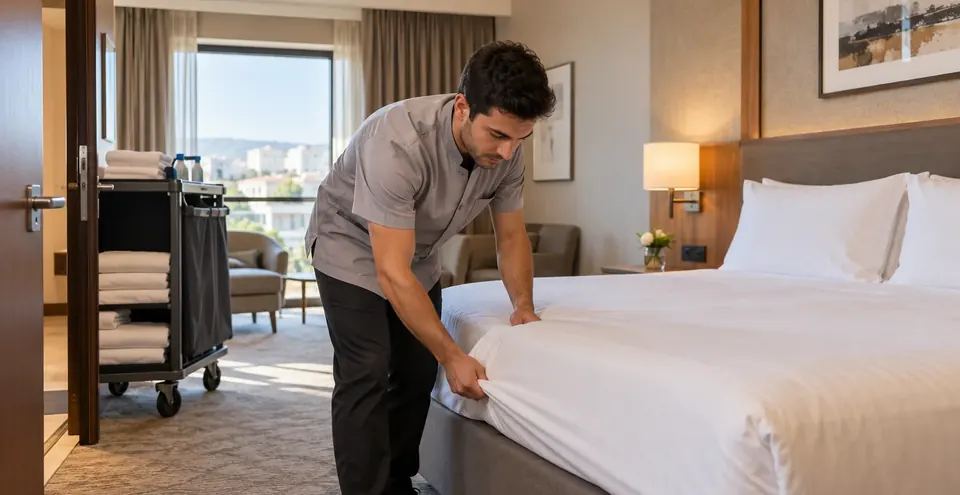
Across Dominica, seasonal hotel and restaurant employment opportunities mean the extra work for servers, cooks, housekeepers, bartenders, front-desk staff and kitchen helpers when guests are more numerous. The sector is built on small eco-lodges, guesthouses, boutique hotels and local restaurants rather than on large resorts, and it swells with the cruise season, the drier months and festival weeks. Most hiring is local and personal, wages follow national rules, and foreign applicants usually need a work permit supported by the employer.
The setting: small properties and big scenery
Hospitality in Dominica is shaped by the island's natural scenery instead of by beaches. Roseau offers the widest choice of hotels, restaurants and bars, especially along the bayfront and in the streets near the Old Market and the botanical gardens. Portsmouth, near the Cabrits National Park, has beachside bars and guesthouses, and Soufrière, Scotts Head and Calibishie attract visitors who prefer quiet eco-lodges.
Most properties have only a handful of rooms or cottages, so teams are small and staff do several tasks. A person may cook breakfast in the morning, guide guests to a waterfall in the afternoon and serve dinner at night. This versatility is valued, and it makes a job in a Dominican lodge different from work in a big hotel where roles are rigid.
Local restaurants and rum shops serve food that reflects the island's creole heritage: callaloo soup, fried or stewed fish, crab back, goat water, breadfruit, plantains and provisions with fresh juices and bush teas. Street vendors and weekend market stalls in Roseau add to the offer, and a cook who understands local ingredients and can prepare them cleanly is welcomed by both guesthouses and caterers.
Hospitality work in Dominica has a human scale that surprises newcomers. A lodge with six rooms may know every guest by name, and the owner often works alongside the staff, cooking, cleaning and taking bookings. This closeness brings warmth but also responsibility, since a single careless mistake can affect a small business's reputation, and good staff are encouraged to share suggestions and take initiative.
Roles and the skills employers ask for
Typical jobs include waiter or waitress, bartender, line cook, pastry helper, dishwasher, housekeeper, groundskeeper, receptionist, driver and night watchman. Properties also hire people who can combine hospitality with nature skills, such as guiding hikes or helping with snorkelling gear. Good customer service, discretion and a sense of humour are as important as technical training.
| Role | Peak need | Typical setting |
|---|---|---|
| Server or bartender | Cruise days, weekends, Carnival weeks | Roseau and Portsmouth restaurants |
| Cook or kitchen helper | Banquets, weddings, high season | Hotels, lodges, caterers |
| Housekeeper or groundskeeper | Full-occupancy dry months | Eco-lodges and boutique hotels |
| Reception and guest services | Arrival days and festival weeks | Hotels and guesthouses |
English is the language of work, and Kwéyòl is spoken in kitchens and villages. Visitors come from North America, the Caribbean, Europe and France nearby, so basic French can be a real advantage, particularly with guests arriving from Martinique and Guadeloupe. Food safety training and first-aid certificates help candidates, and local agencies and schools offer hospitality courses that can lead to supervisory work.
Reliability is the main currency. Managers remember the person who arrives on time even after a wet walk to the bus stop, who covers a missing colleague and who treats guests respectfully, and they call that person back for the next season. Because many properties are family owned, staff are sometimes treated almost like relatives, which brings loyalty but also expectations of flexibility.
Breakfast service is a good example of the detail that counts. Guests expect fresh tropical fruit, bakes, local cocoa tea or coffee, eggs and saltfish, and a kitchen helper who prepares everything neatly and on time earns trust. Evening service often moves outdoors, on verandas that look over the sea or the forest, where lighting, insect control and weather alternatives need to be handled calmly.
Hiring periods, pay and housing
The principal hiring period begins in the autumn, as lodges prepare for the dry months and cruise ships return, and continues until the end of the high season in spring. Short surges appear around Carnival, the World Creole Music Festival, Independence celebrations and the July dive festival, when restaurants and bars add staff for a few days. Hurricane risk makes some owners cautious about long contracts in the wet season.
Wages are set by employers within national labour rules, and a statutory minimum wage and overtime regulations exist; current figures should be requested from the labour authorities. In restaurants and bars, tips and service charges may add to income, though sharing arrangements vary by establishment. Social security contributions are normally deducted from formal employment and give access to benefits.
Staff housing is uncommon, and rental homes close to Roseau or tourist villages can be expensive or scarce, so workers frequently live with family and commute by minibus. Ask early whether the employer helps with lodging or transport after late shifts, since buses are less frequent in the evening and some villages are far from the main roads.
Bar work calls for particular skills in a rum-producing region. Bartenders prepare punches, ti punch variations, fruit cocktails and mocktails, and they must know how to serve responsibly, refuse service to intoxicated guests and keep a clean station. The festival weeks bring crowds to the bars of Roseau, so agencies and managers look for people who can work fast without losing courtesy.
Uniforms, hygiene cards and punctual arrival are taken seriously, and a manager who sees a new person helping a colleague without being asked will probably offer more shifts.
Legal and practical points for outsiders
Non-nationals need a work permit linked to a named employer, and the process begins with the employer's application. Citizens of certain regional states may benefit from free movement provisions, but they should still confirm what documents are required. Working without permission risks fines and removal, and honest employers will not ask you to start before the paperwork is complete.
Insist on clarity: wage, hours, days off, tips policy, trial period and who provides uniforms. Keep a copy of your agreement, record hours worked and note the names of managers. If problems arise, the labour department can advise. Treat the community with respect, remember that many people know each other, and avoid conflict with neighbours of the property where you work.
Tourism work is also affected by the hurricane season, and owners plan ahead. Staff may be asked to secure furniture, shutters and boats, check generators and stock food and water when a storm approaches. Properties sometimes close for repairs in the wet months, which means a seasonal worker should expect gaps between assignments and save a little during the busy months.
One more point concerns training and advancement. Entry-level workers who show interest in food safety, wine and drink knowledge, guest relations and basic accounting can move to supervisory roles within a few seasons. Short courses offered by the national college, regional training organisations and industry associations are inexpensive and respected, and managers often support staff who ask for time to attend.
Short answers for job seekers
Are tips common in Dominican restaurants?
Yes, they are customary in tourist areas, and some places add a service charge. Rules differ by business, so ask how tips are shared before accepting a job.
Do hotels provide staff housing?
Seldom. A few remote lodges may offer a room, but most workers arrange their own lodging or live with family in nearby villages.
Which months are busiest for hospitality?
From late autumn to spring, especially around Carnival and during cruise visits, with shorter peaks for the Creole music festival and Independence celebrations.
Where to find these jobs
- Discover Dominica Authority — National tourism authority that licenses and promotes accommodation, restaurants and attractions across the island and shares industry information.
- Dominica Hotel and Tourism Association — Industry body for hotels, lodges and tourism services that represents employers and organises training for hospitality staff.
- Dominica State College hospitality programmes — Public tertiary institution in Roseau offering courses that prepare students for service, cooking and management roles in tourism.
Official and legal references
- Discover Dominica Authority — Official tourism site presenting accommodation, attractions, festivals and practical visitor information for Dominica and its main communities.
- Government of the Commonwealth of Dominica — Official government portal with information on labour, immigration and public services relevant to working on the island.