Botswana: seasonal fruit and vegetable picking jobs on irrigated farms and in the fields
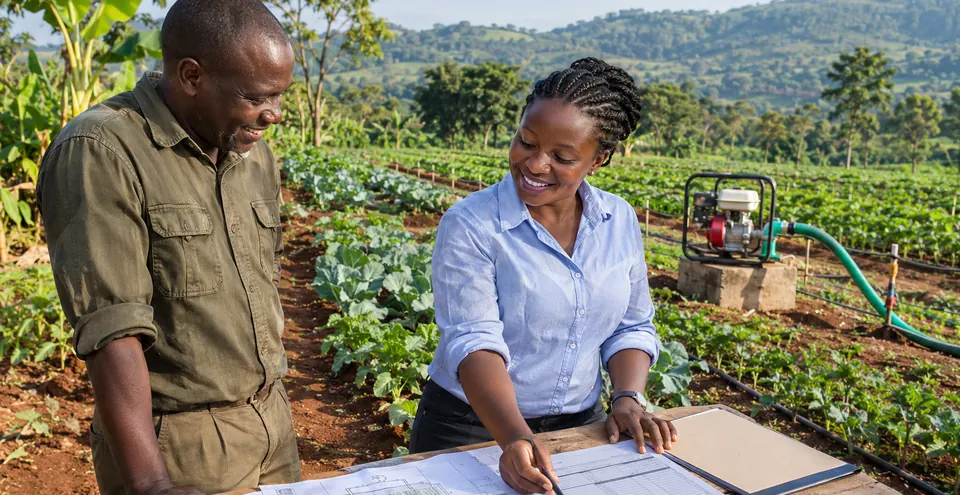
Botswana is a dry country with little reliable rain, so seasonal fruit and vegetable picking jobs concentrate on irrigated farms and in the fields of the eastern strip and a few river-fed areas. Pickers harvest vegetables, citrus and other crops, usually for short periods and often in the heat. Commercial farms and support bodies shape what work is available. Permits, housing and safety matter, and foreigners need legal permission to work, so a job seeker should confirm every detail before accepting an offer.
Seasonal fruit and vegetable picking in Botswana: farming in a dry land
The main rain-fed crops are sorghum, maize, millet, cowpeas, beans and melons, planted after the first rains and harvested from March to June. Watermelons and the local tsamma melon, which is used as food and as a source of water, are common. Wild foods such as marula fruit, which ripens in the early part of the year, and mophane worms are gathered by families.
Irrigated horticulture is concentrated in a few places. The Tuli Block, along the Limpopo River, grows vegetables and citrus. The Okavango Panhandle near Shakawe supports small gardens that use delta water. Peri-urban farms near Gaborone and Francistown supply tomatoes, onions, cabbages, peppers and leafy greens to markets and supermarkets.
Drought is the main risk for farmers. When the rains fail, fields yield little, wells run low and families sell livestock, and labour demand falls sharply. Support schemes and government programmes try to help, but a poor season can mean no paid work for pickers at all.
| Crop | Main area | Approximate harvest |
|---|---|---|
| Sorghum, maize and beans | Eastern districts, Pandamatenga | March to June |
| Melons and watermelons | Rain-fed fields across the east | Autumn, after summer rains |
| Vegetables under irrigation | Tuli Block, Gaborone area | Spread through the year |
| Marula and wild foods | Northern and eastern bushveld | Early part of the year |
Livestock and crops are connected. Families graze cattle, goats and sheep on harvested fields, and crop residues become feed in the dry months. A seasonal worker may be asked to herd animals, fetch water, repair fences or mend a borehole pump as well as pick vegetables, so versatility is useful.
What the work involves
Tasks on irrigated farms include picking, washing, grading, packing and loading, as well as transplanting, weeding and irrigation. On cereal farms, workers handle bags, drive tractors and operate threshing equipment. The work is hot, dusty and physically demanding, and it begins early in the morning to avoid the strongest sun.
Payment is commonly by the day or by the task, and rates differ between farms. Casual labourers are often hired through local contacts. Always agree on the wage, hours and payment date before starting, and ask whether transport to the field is provided.
Pesticides are used on commercial vegetable farms. Workers should be trained in safe handling, wear protective clothing and avoid fields that have been recently sprayed. Heat, snakes and insects are further hazards, and a first-aid kit and drinking water should always be available.
Packhouses prepare vegetables for supermarkets. Workers wash, sort, weigh and pack tomatoes, onions, cabbages and peppers, label the boxes and load trucks. Hygiene is important, with hair covers, clean hands and regular checks, and supervisors reject produce that is damaged or dirty.
Transplanting seedlings is another seasonal job on irrigated farms. Workers place young tomato, cabbage and onion plants into prepared beds, firm the soil and water the rows, and they must work quickly to keep the plants fresh. The task requires bending for long periods, so breaks and good technique protect the back.
Commercial farms and support bodies
Pandamatenga, in the far north near the Zimbabwe border, holds large commercial farms growing sorghum, maize and soya, with mechanised harvests that use skilled drivers rather than pickers. Large vegetable farms near Gaborone and in the Tuli Block hire more labour but remain relatively few and are often family-managed.
The Ministry of Agriculture offers extension services, training and advice, and the Botswana Agricultural Marketing Board has bought and stored grain and supported producers. Farmers' associations and cooperatives help members buy inputs and sell produce. Anyone seeking work should ask at agricultural offices and at local farm supply shops. Many hotels, lodges and supermarkets buy fresh produce from South Africa because supply in Botswana is limited. Efforts to grow more local vegetables, including in greenhouses and hydroponic units, create small numbers of jobs for people with horticultural skills.
Women dominate the informal sale of fresh produce. Stalls at bus stops and in markets in Gaborone, Francistown and Maun sell tomatoes, spinach, beans, melons and wild fruits. Helping at a stall is a common form of casual work, and it demands numeracy, patience and trust between the seller and the helper.
Fresh produce in Botswana often travels long distances, so the cold chain matters. Growers pick early, keep crates in shade, wash and pack quickly and load trucks before the heat rises. Workers who understand why these steps matter reduce waste and help the farm to earn a fair price.
Permits, housing and safety when taking up seasonal farm work in Botswana
Foreign nationals need a work and residence permit, and permits for unskilled agricultural work are unlikely to be granted because local labour is considered sufficient. Citizens can work freely, and employers must follow the Employment Act on contracts, pay and safe conditions at all times.
Food safety and quality standards apply to commercial growers. Farms that supply supermarkets must record pesticide use, keep clean water, train staff and pass inspections. Workers who understand these standards and follow them carefully are more employable, and some farms offer short courses to their staff.
Seasonal income from farm work is unreliable, so people often combine it with other occupations such as building, driving, selling or domestic work. Anyone considering farm labour should treat it as a supplement and keep other options open, rather than relying on one employer for a whole year.
Training courses on irrigation, soil care and safe pesticide use are offered by agricultural colleges and extension services. Completing one can raise a casual worker into a skilled position, such as irrigation operator, supervisor or packhouse team leader, with more regular pay and better conditions than day labour.
Environmental conditions require attention. Water is scarce, so farms use drip lines and recycle where they can, and workers are asked not to waste it. Bushfires and strong winds can damage crops in the dry months, and workers should know the farm's emergency plan and the location of the nearest clinic.
Frequently asked questions about seasonal farm work in Botswana
Botswana: is there a fruit-picking season for visitors?
No. Botswana has no organised fruit-picking scheme for foreign visitors, and a permit is required for any paid job. Seasonal work in farming exists mainly for local people at harvest. Anyone with a real interest in farming should contact the Ministry of Agriculture or a farmers' association about training and local opportunities.
When are the busiest farm months?
Planting follows the first rains between November and January, and harvest runs from March to June. Irrigated farms need workers throughout the year, with peaks in the cooler months. Irrigated vegetable farms follow the market, with peaks before school terms, festive weeks and winter, when fresh produce is in high demand.
Can I volunteer on a farm?
Volunteering is possible on some projects, but it must follow immigration rules. Ask the organisation about the required visa and the conditions, and avoid unpaid work that is really a job. A genuine volunteer programme provides food, a bed and supervision, and it does not replace a paid worker who should have a contract.
Where to find these jobs
- Ministry of Agriculture, Botswana — Government ministry that provides extension services, training and regulation for farmers, including advice on crops, irrigation and livestock.
- Botswana Agricultural Marketing Board — Public agency that supports farmers by buying, storing and marketing grain and other produce, and by providing market information.
- Department of Labour and Social Security, Botswana — Government department that enforces labour standards and advises farm workers and employers on contracts, wages and complaints.
- Southern African Development Community Secretariat — Regional organisation based in Gaborone that coordinates cooperation on agriculture, food security and trade among southern African countries.
Official and legal references
- Government of Botswana — Official government portal with ministries, laws and services, including agriculture, labour and immigration information for residents and businesses.
- Food and Agriculture Organization of the United Nations — United Nations agency publishing English-language information on agriculture, food security and rural livelihoods in southern Africa.